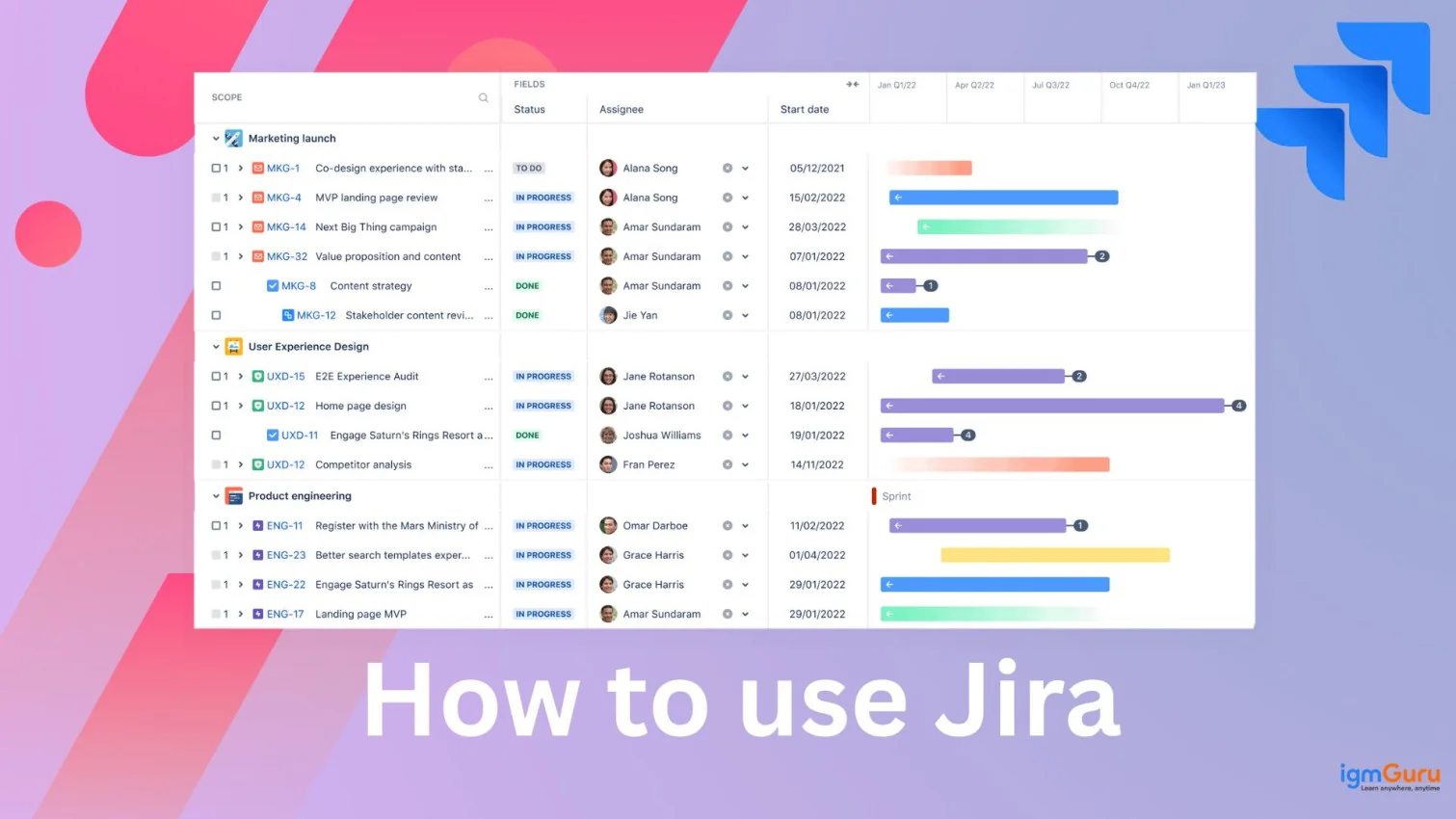
This Jira tutorial guide explains everything one needs to know to become familiar with agile project management and bug tracking platforms.
Jira is a well-known tool for project management and issue tracking that supports thousands of companies in creating workflows that deliver reliable results. It was originally built for software development but now offers diverse use cases and industries like project portfolio management, employee onboarding and asset management. It also helps teams in adopting agile practices.
This Jira tutorial will help you get started quickly by covering all the key aspects around schemes, workflows and logs. Let's begin with the steps to download, install and use this tool to make the most out of it.
TL;DR
This Jira tutorial helps beginners, software developers, Scrum Masters, product managers, and Agile teams learn Jira for project management, bug tracking, and workflow automation. It covers installation, core features, key terminology, and practical usage, which enables users to improve collaboration, productivity, and project visibility while building job-ready Jira skills.
Jira is a project management tool used by software teams for organizing and tracking their work. It is quite a flexible tool that can be highly customized to work with the unique workflow of any team. In short, all sorts of teams can enjoy better visibility and productivity by releasing amazing software.
This tool by Atlassian (with a market cap of INR 4.996 Trillion as of March 2025) has made things a lot easier for professionals by streamlining projects for many organizations on a global level. There is a lot to learn about it and this Jira tutorial covers a lot of basic terminologies and concepts.
Read Also - Salesforce Admin Tutorial: A Guide For Beginners
Making the most of this tutorial means having an understanding of the contents to be provided in a bug. Those with knowledge of testing lifecycle and bugs will benefit to a great extent. This tutorial will help you learn and use this tool and its components.
This tool is available for different operating systems including Windows, OS X and Linux. Here is how you can download and install it in your system-
Step 1: Understand the prerequisites and choose the appropriate version to download from the official website. We are downloading Jira on the Windows, which requires to consider the following prerequisites-
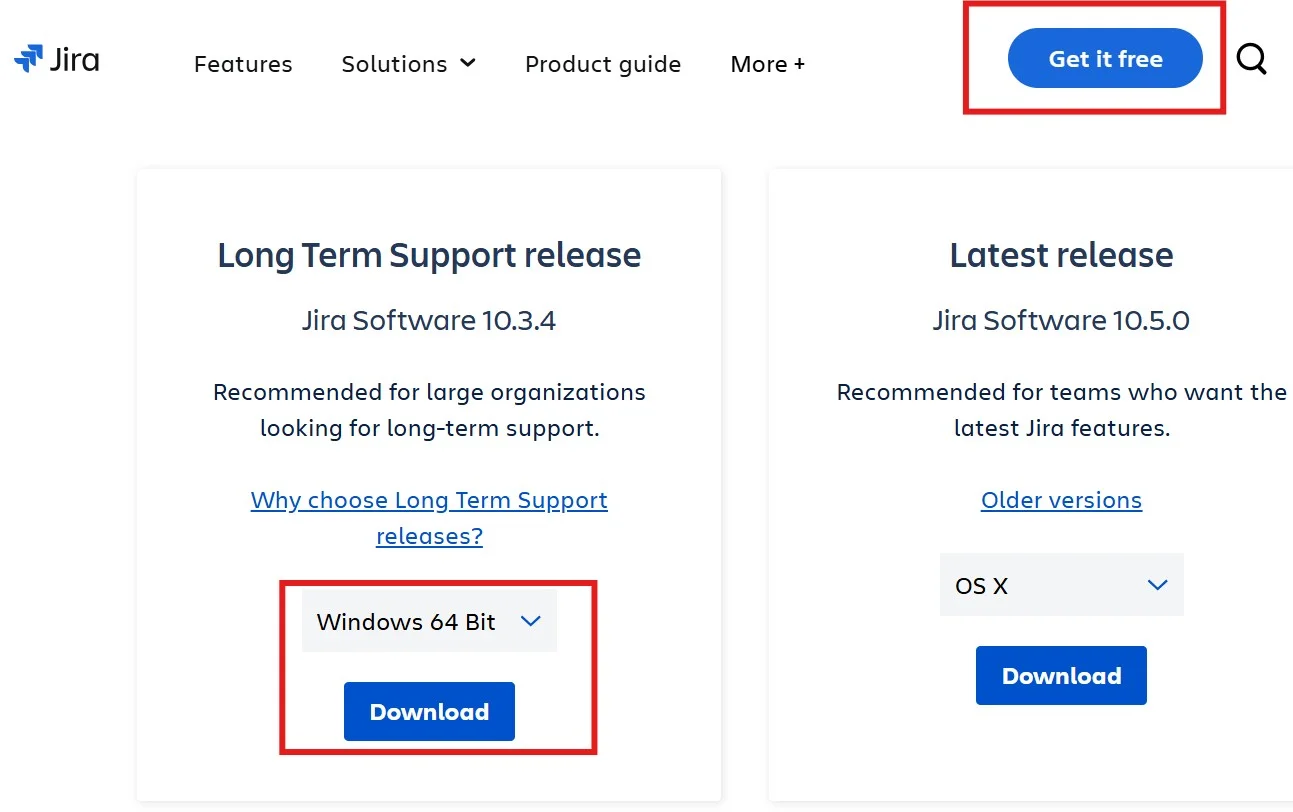
Step 2: After clicking on the download button, a new window with terms and conditions will open. Agree the terms and conditions by checking the box and then click on the Submit button. It will start the downloading process.
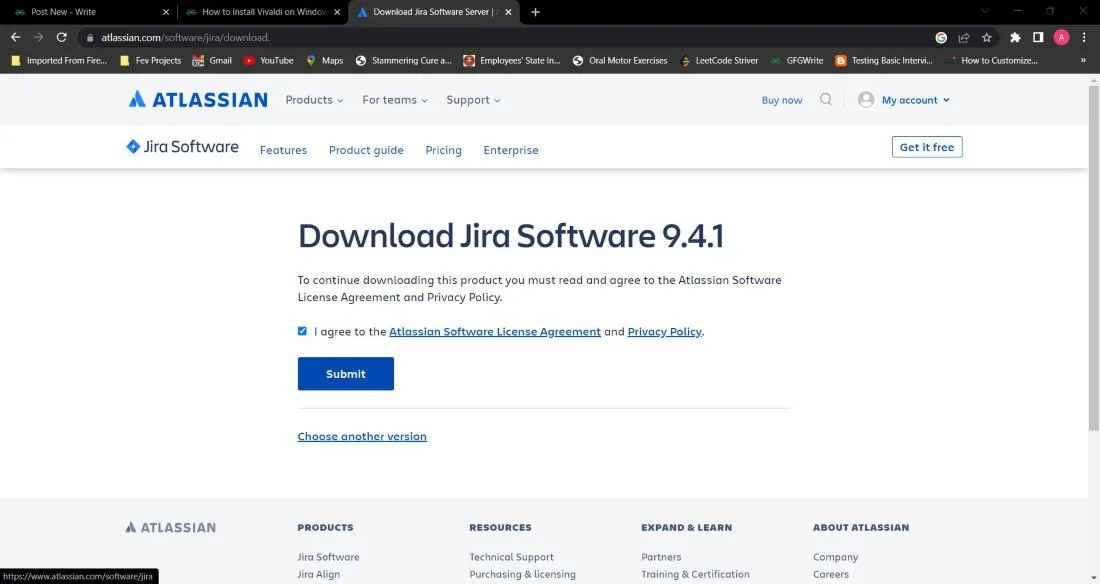
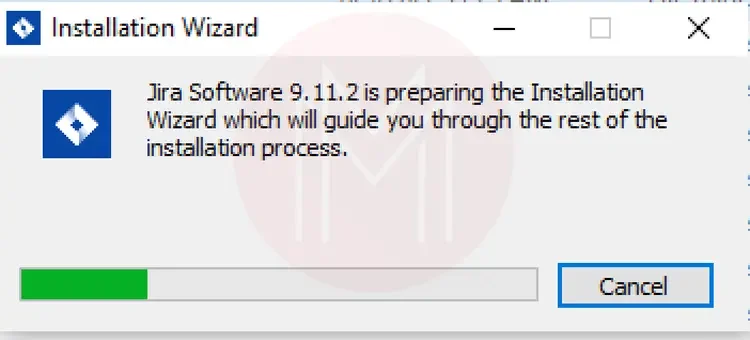
Step 3: Now, navigate and execute the .exe file to start the installation process.
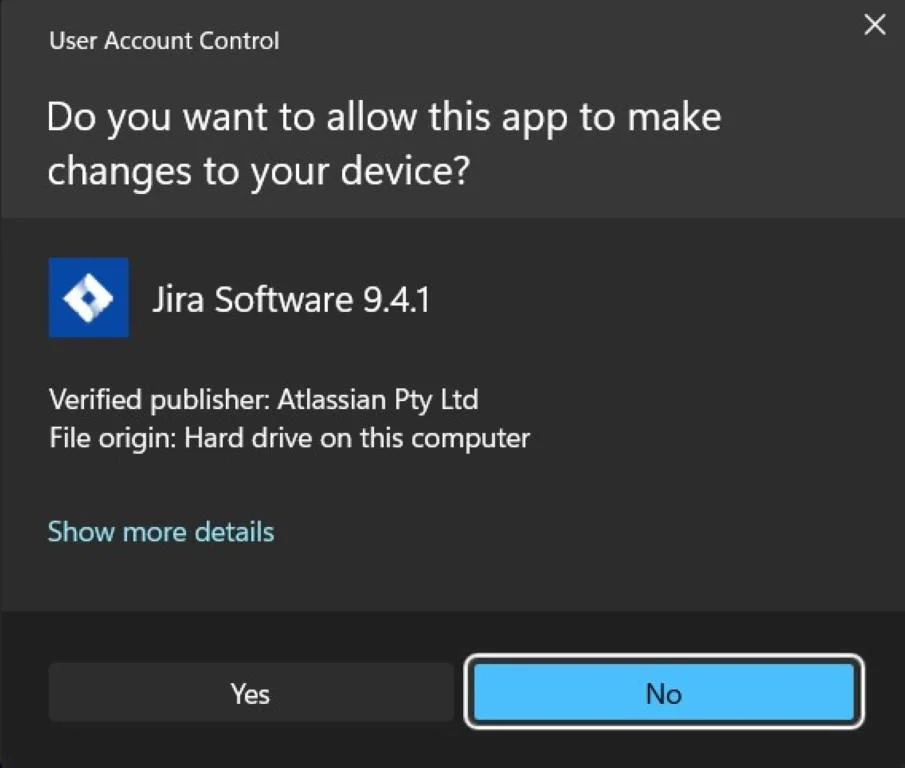
Step 4: This will open a new pop-up for User Account Control. Now, click on the Yes button.
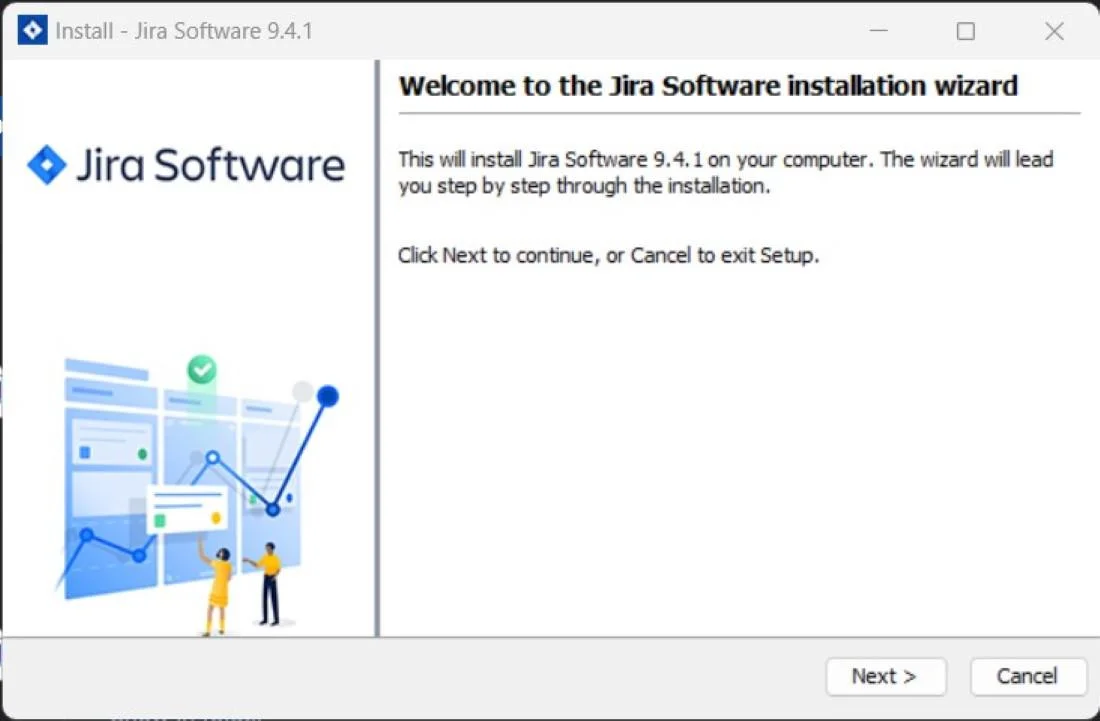
Step 5:An installation wizard will open on the screen, select the Next option.
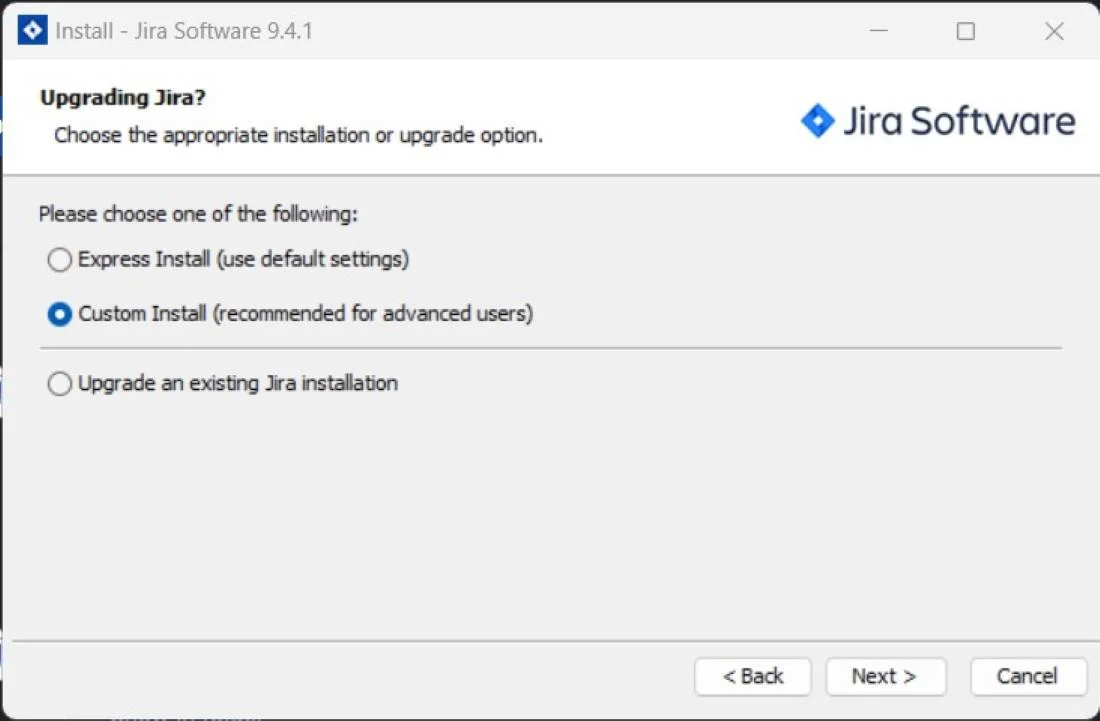
Step 6: Now, choose the appropriate installation as shown below. We are choosing the Custom Installation for advanced users.
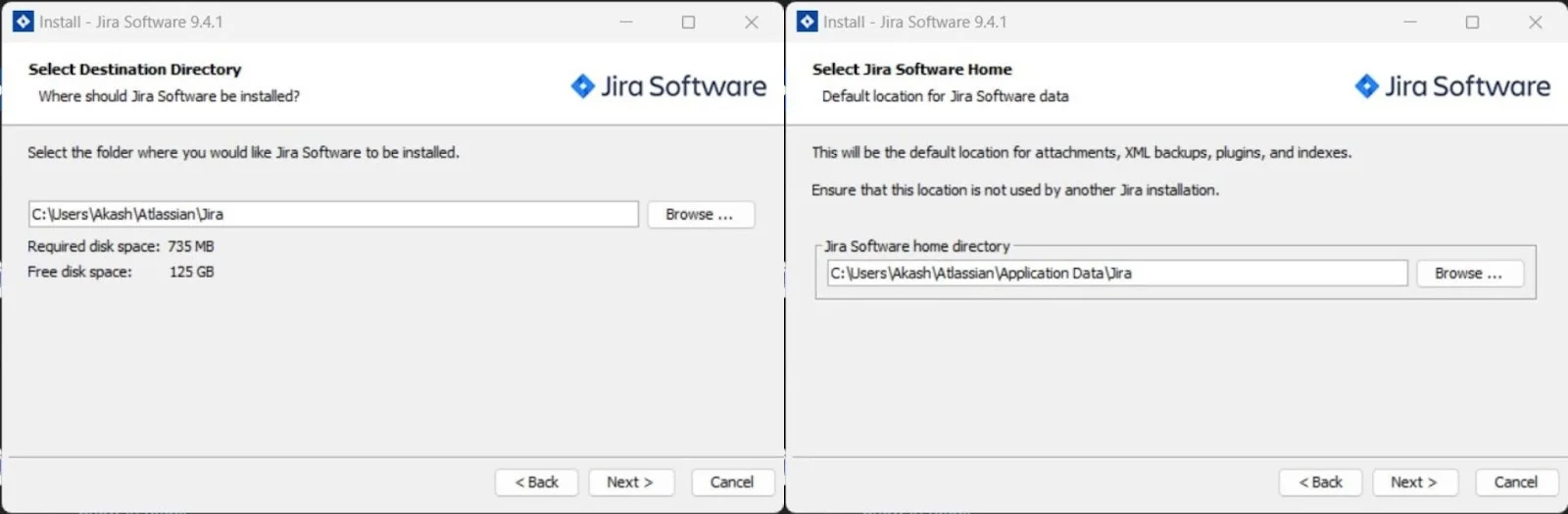
Step 7: Select the destination directory and default location next to install the software.
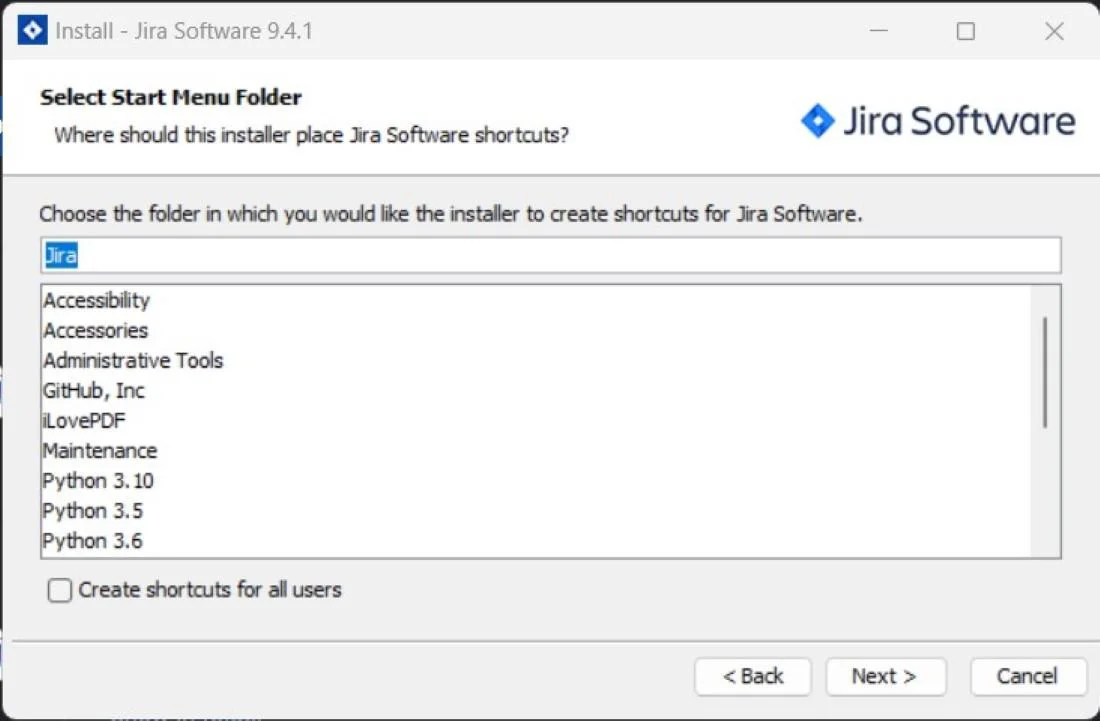
Step 8: Select the Start Menu Folder from the options as shown below.
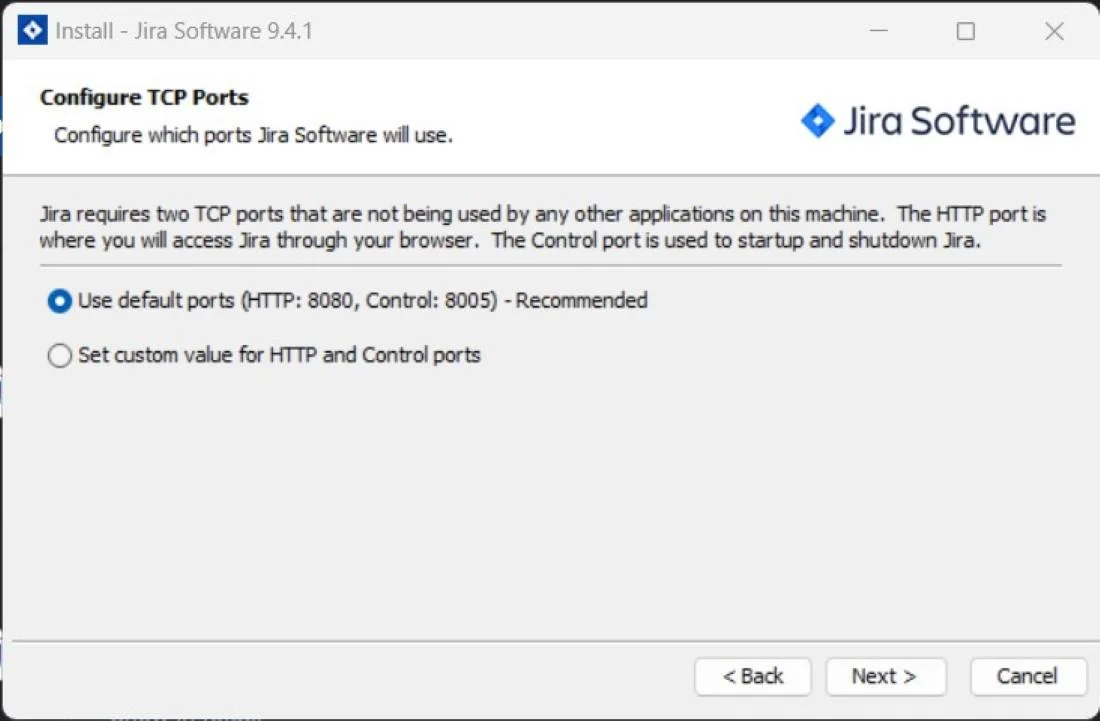
Step 9: Select a TCP port and click on the Next button.
Step 10: Click on Allow Access to enable all features.
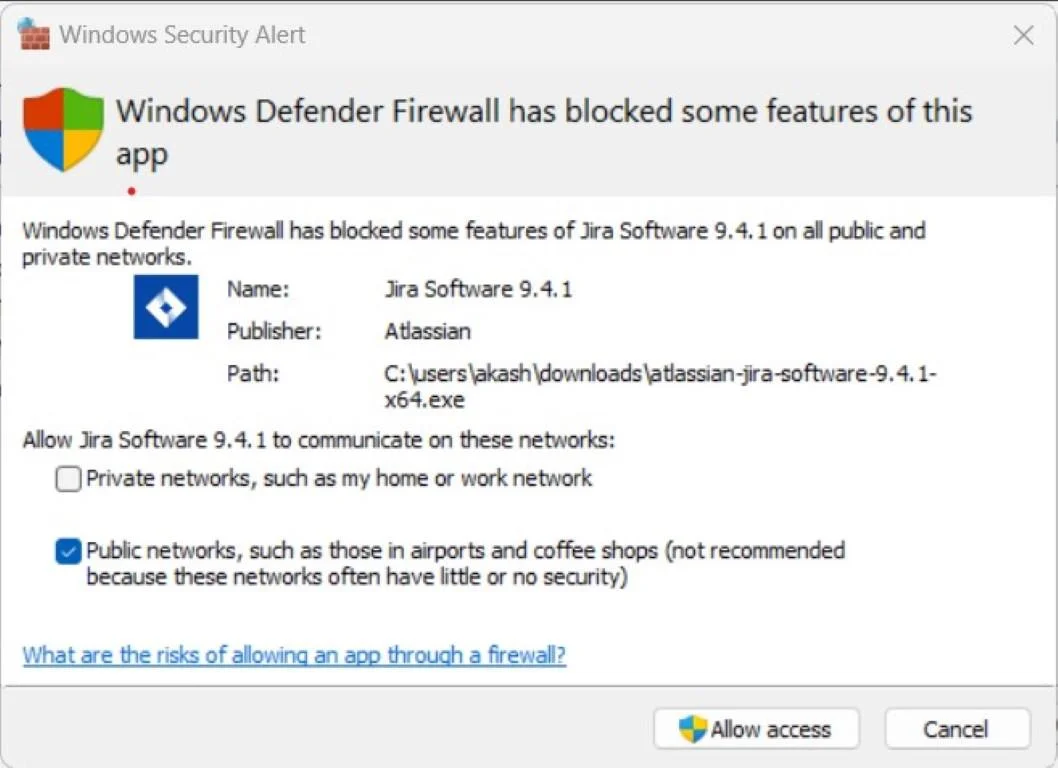
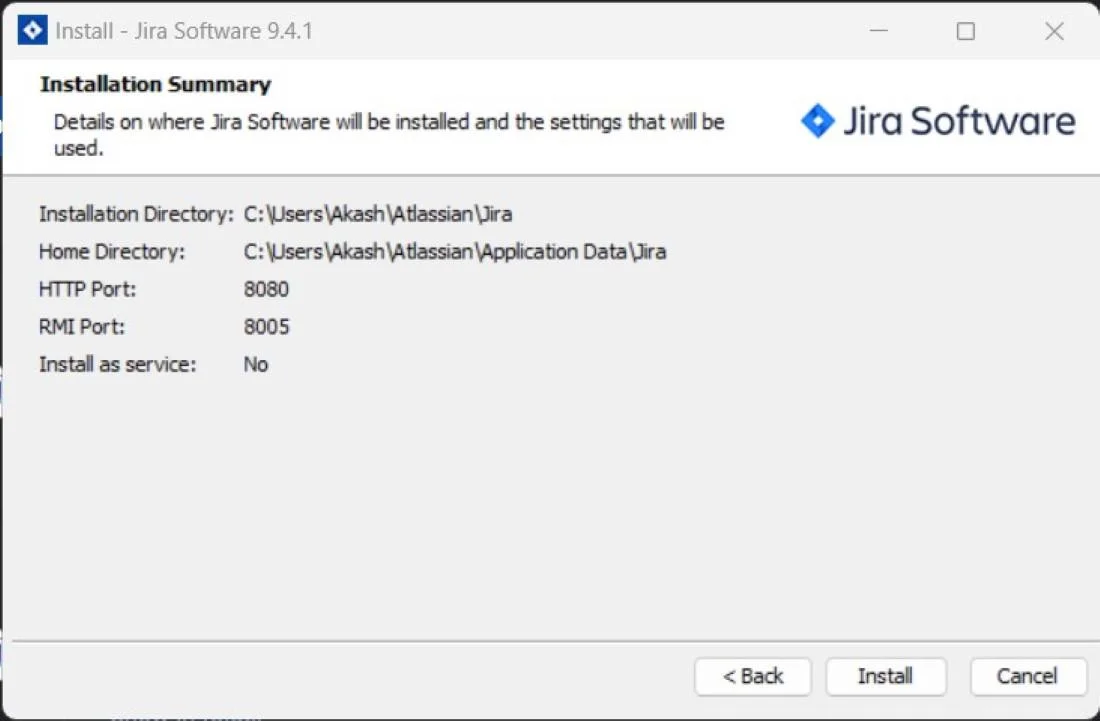
Step 11: This will open a new window showing the Installation Summary. Click on the Install button if it is accurate.
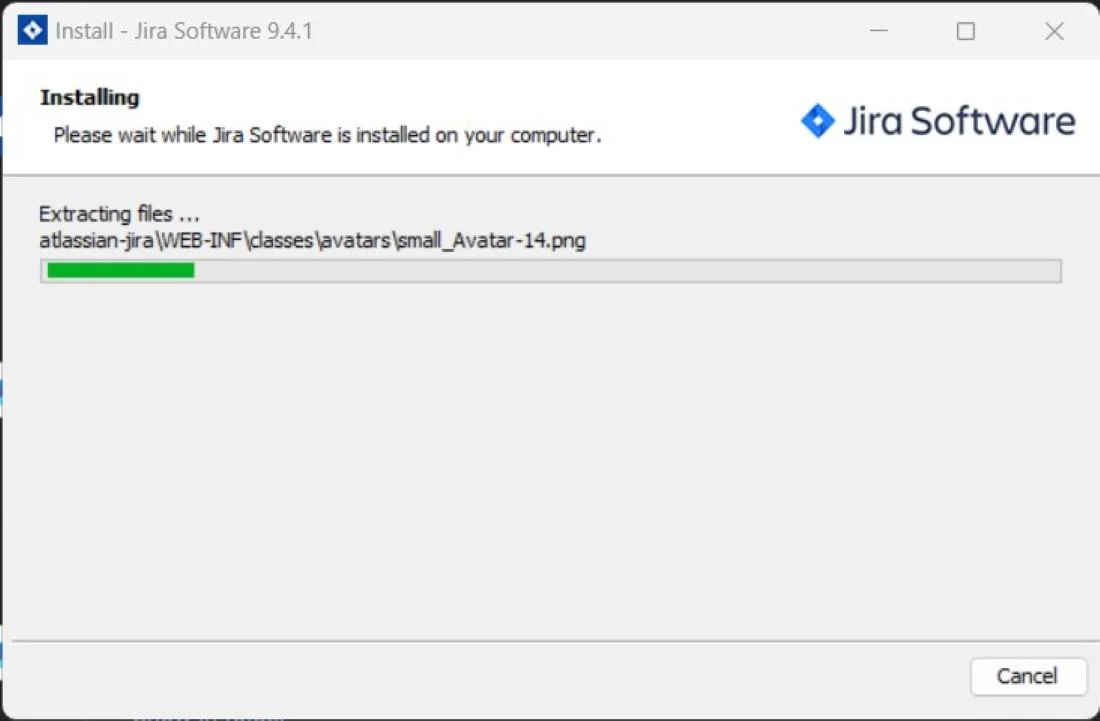
Step 12: This will start installing the software.
Installing the software will not be enough to use this tool. It requires creating an account and project. This involves the following steps-
Step 1: Go to the official Atlassian signup page and create a new account.
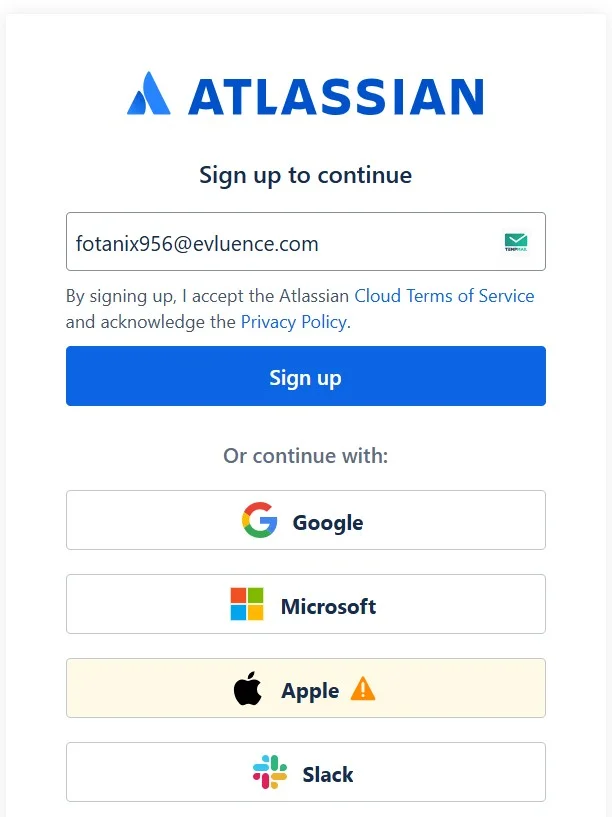
Step 2: It will send a verification code to your chosen email. Enter the code and verify the email.
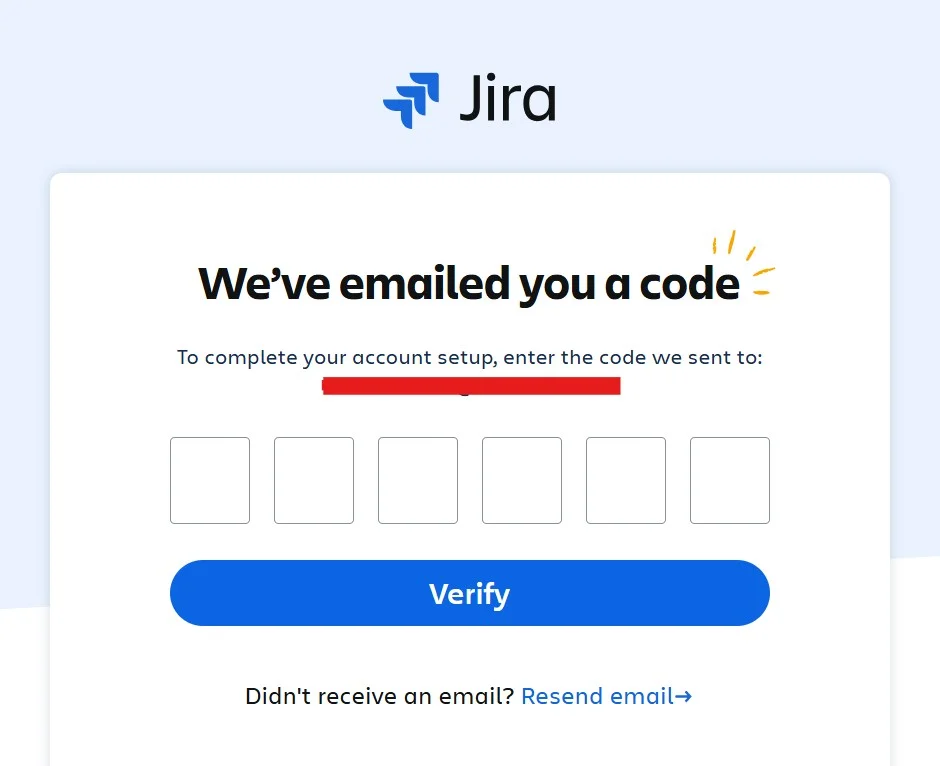
Step 3: Now, set up the account and click on the continue button.
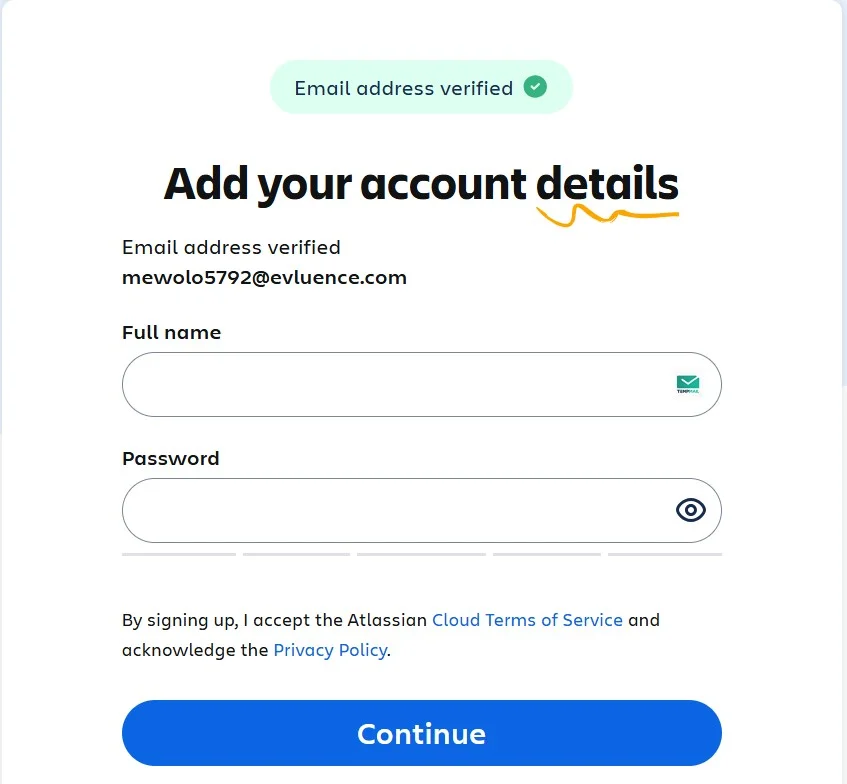
Step 4: This will create a new account for you.
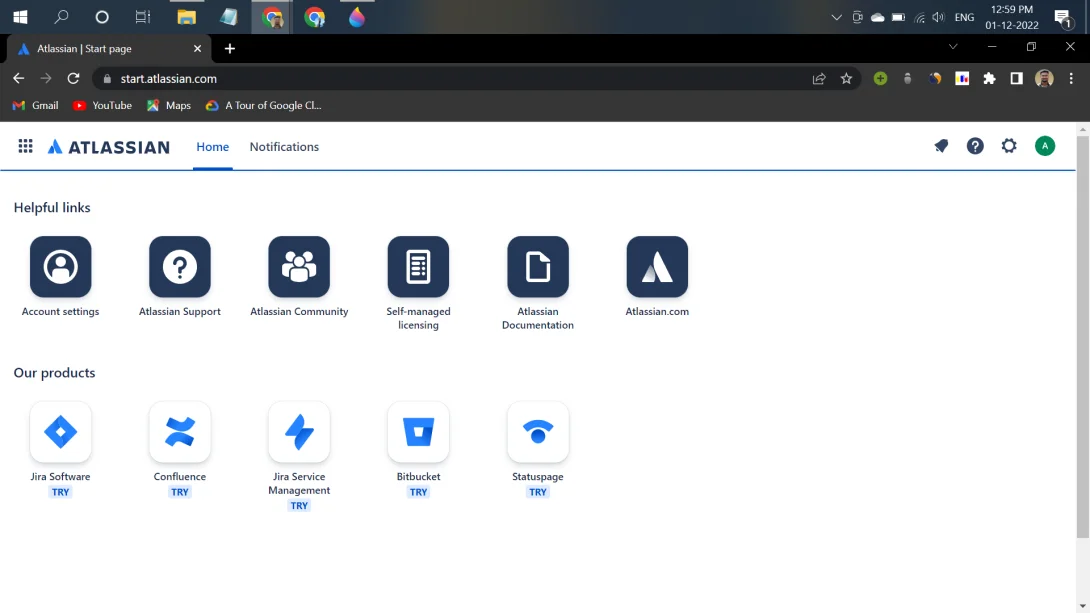
Step 5: Now, log in to the account with the appropriate credentials.
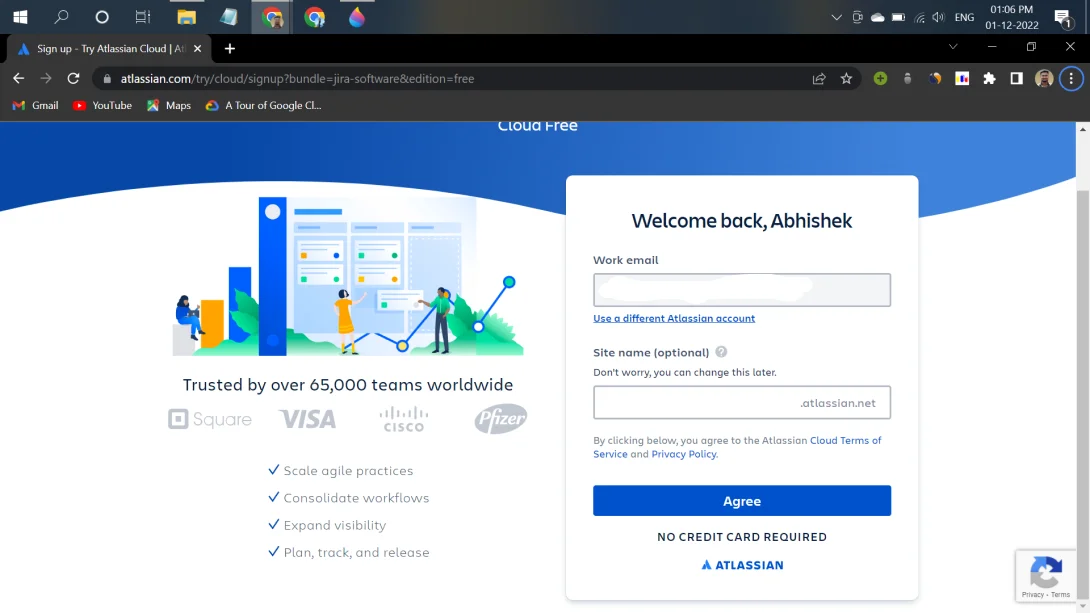
Step 6: It will ask you some basic questions to know your requirements, so answer them to continue. Then, choose the name and templates like Scrum or Kanban for your projects.
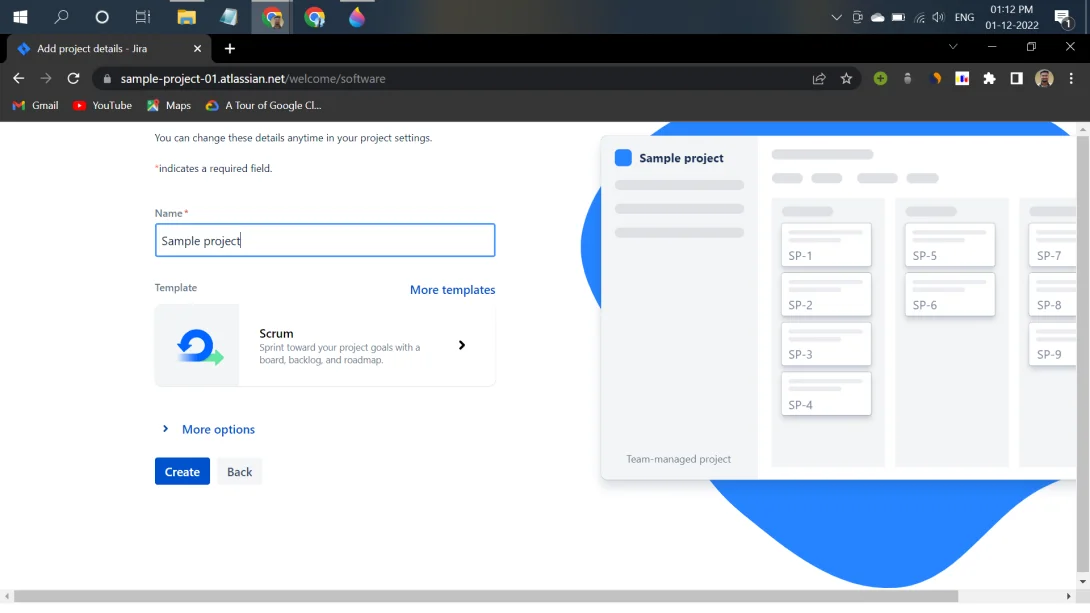
Step 7: This will create a new project for you.
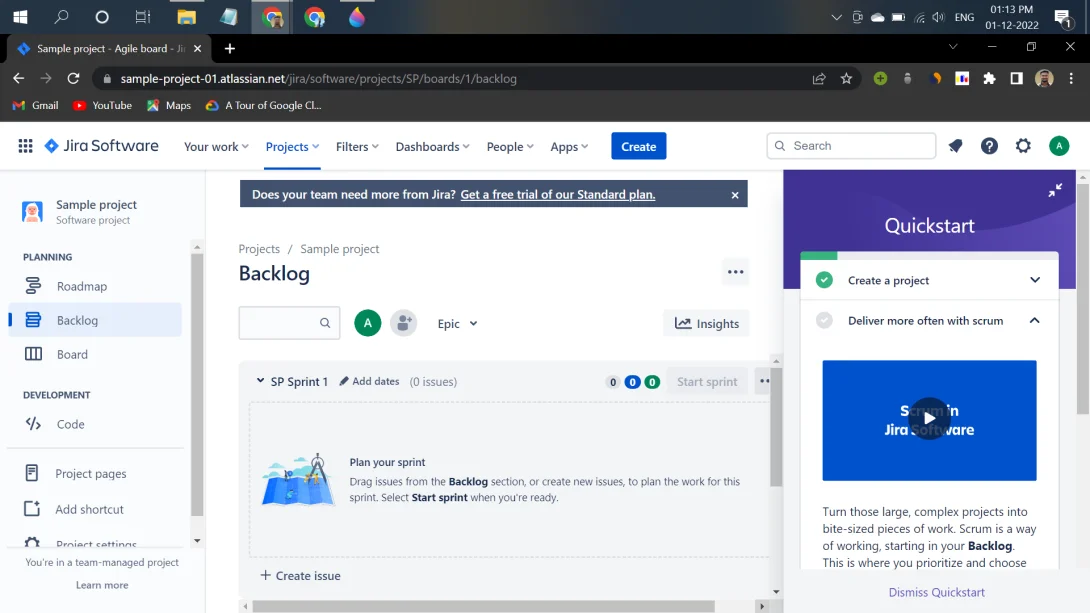
Once you're all set to use Jira software in your system, it's time to explore some of its key terminologies. It will enable you to understand how to create and use this software effectively while collaborating with your team. These key terminologies involve-
Screen schemes are a part of customizing the user interface of different issue operations. It acts as a container that associates specific screens with issues or bugs. Screen schemes allow administrators to tailor which fields are visible on the screen for a particular task. This customization improves efficiency by presenting only the relevant information.
Issue-type schemes are the fundamental part of project configuration in this agile software. It lets administrators know which issue types are available to use in their project or project template. This helps to choose the issue type that caters to their objective and requirements. Using the issue type screen in a project can provide the following benefits -
Notification schemes are responsible for establishing and managing communication within a team by using notifications. It spreads information about the updates or customization in the project and involves the following three components-
Permission schemes are a combination of rules that determine which team or team member will have access to operations or information within a project. It is mostly used by the administrators to control access and permissions. Each project has at least one permission scheme where a single scheme can be assigned to multiple projects. There are three types of this scheme -
Issue security schemes are the functionality of this software that helps to set the access policies to a bug. Admins use this functionality to provide access to team members on the basis of their roles. It can consist of multiple security layers that benefits the user in the following ways-
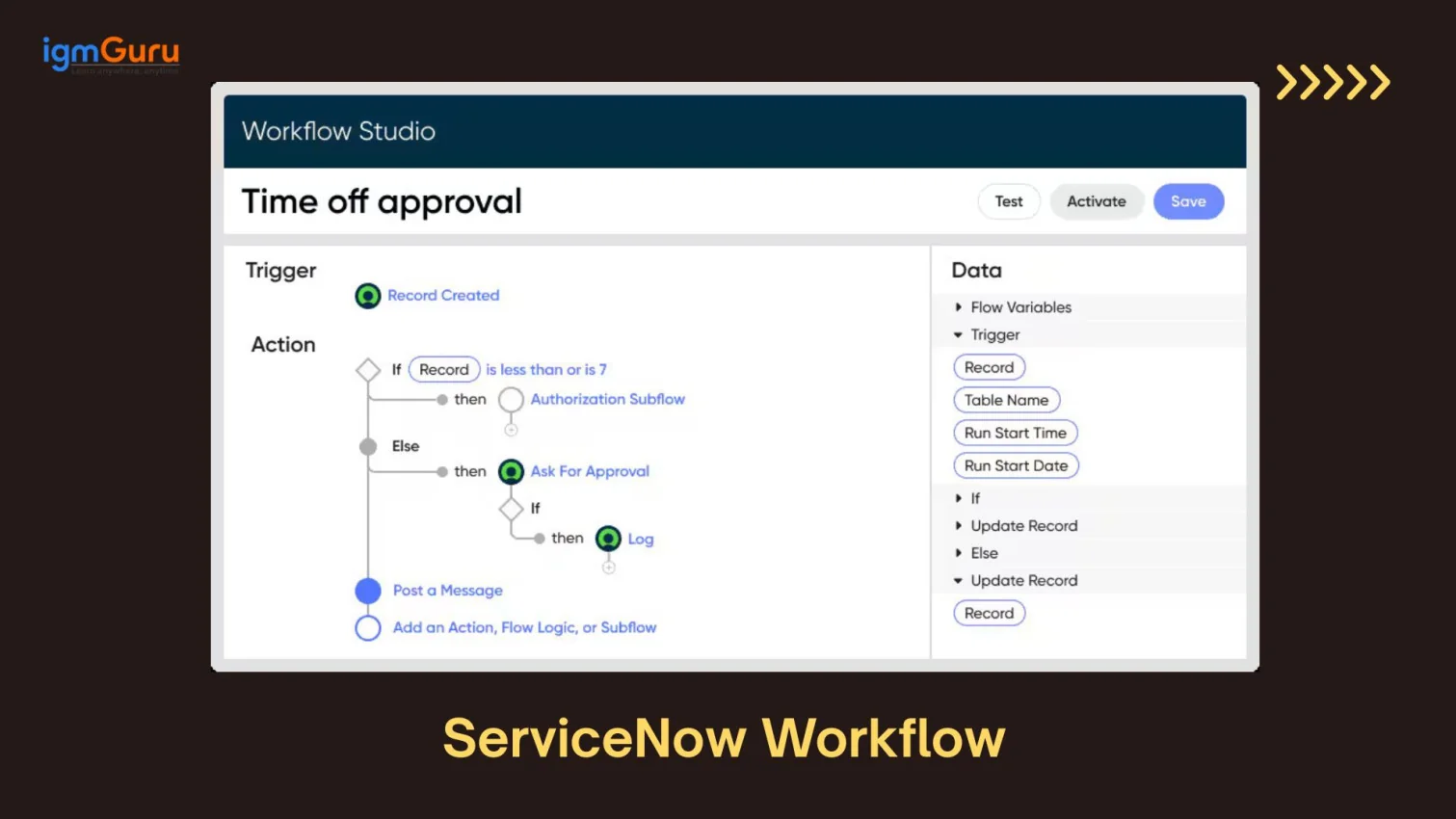
Visual Workflow Designer is a graphic tool that allows individuals to create, visualize and customize workflows. It streamlines the entire workflow with a visual representation of statuses and transitions. Therefore, teams can easily customize the processes to match specific project needs, enhancing transparency and team productivity. This empowers teams to manage issue lifecycles effectively, ensuring clarity and accountability throughout the project.
Audit logs is a feature that records all the activities from log-in and log-out to customizations. This helps to ensure security, analyze problems and find their reasons. This feature is not available in the free version and can only be accessed with Administer Jira global permission.
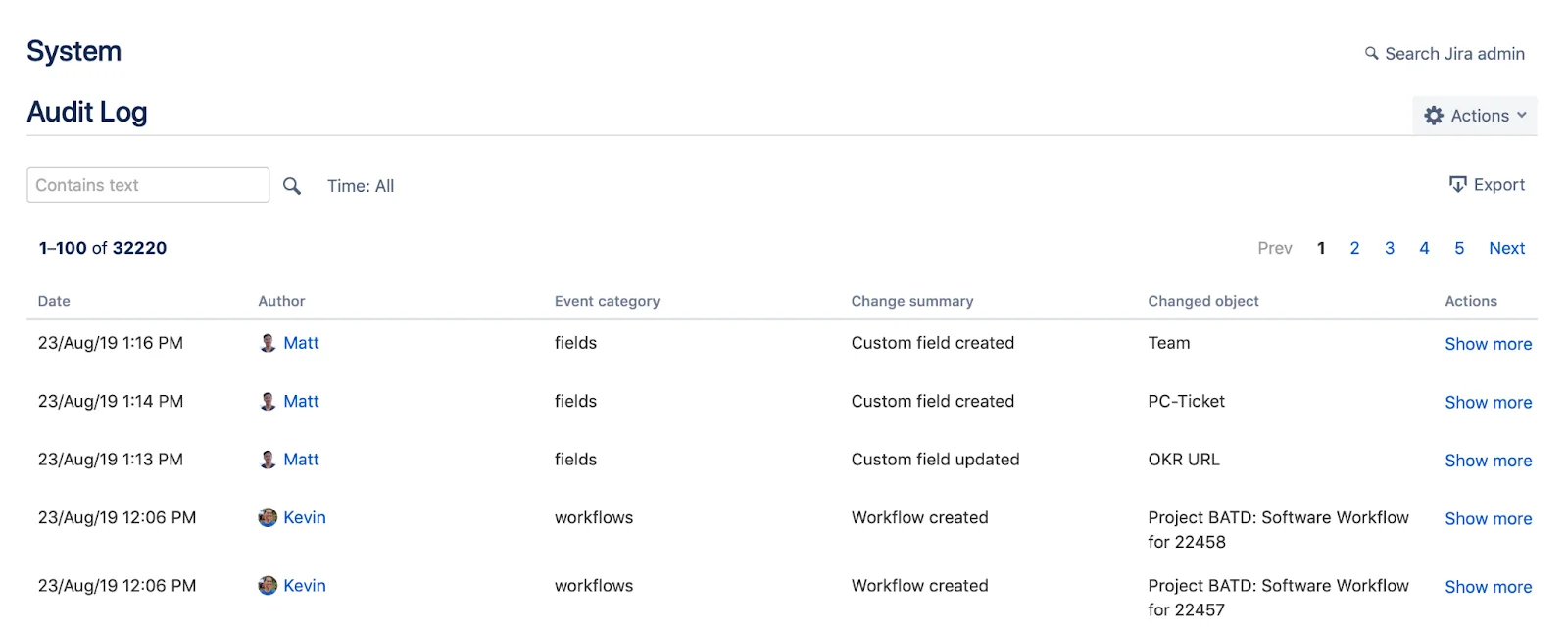
Jira is a popular platform-independent software that is being used for various purposes including-
It is a favorite among help desk systems, software project development teams, and leave request systems. With a working knowledge of this tool, you will be able to crack interviews in top companies on a global level.
Explore our Jira Interview Questions To Prepare for the job interview.
Jira has gained such a level of popularity because of its abundant features. If you are thinking about learning this tool, then you must know what its features are.
Jira supports Kanban and Scrum boards that offer the latest snapshot of the running project to the team. These boards help in quickly reviewing the project's progress at a glance as well as check the status of every individual's tasks. The workflow of the boards can be customized to fit the needs of the teams.
Jira supports a plethora of business templates to help manage both complex and simple tasks. Temples are also customizable to meet the team needs and approach.
Tasks are easily definable at the individual level to aid in tracking project progress. Status of every attachment, due date, comment, and task is stored at one place.
@mention can be used to focus on an individual in the description or comments. Emails can be sent to particular team members for a particular task.
Jira has powerful search functionality with features like Quick, Advanced, and Basic. The search tool can be used to get answers including last update of task, due date, when a team member will finish a task, which tasks are incomplete, etc.
More than a dozen reports are supported by this tool for tracking progress related to deadlines, timeframes, individual contributions, etc. With Jira, it is pretty easy to generate and understand various reports to help in analyzing how the team is working.
It is apt for all projects and business teams without any complexity or size discrimination.
Over a hundred add-ins are supported to connect with a plethora of software to render work easy.
Jira is available on AppStore and Google Play Store as a mobile application to help stay connected with your team anywhere.
Jira supports over 10 universally spoken languages.
Read Also- How To Connect Jira To Power BI?
If you too are wondering how to learn Jira, then this Jira tutorial for beginners will take you through the 8 simple steps you can take to use Jira software.
Enrolling in a Jira training program is an essential part of learning agile with Jira software. Choosing the right learning platform will help you learn facts and best practices related to Jira from industry experts. While you can learn Jira yourself from the various free sources online, nothing comes close to a good training course from industry professionals.
The right course will help you establish a familiarity with core Agile concepts like Kanban, Scrum, etc. A basic understanding of the Jira interface is very important.
Log into the Jira software site. Click on the "projects" dropdown in the top navigation. Select "create project".
There are multiple templates throughout the Jira family that aid in getting the teams started successfully and quickly. Scrum, Kanban, and Bug Tracking are the top three templates.
The boards section in Jira showcase various issues in columns, wherein each column represents a step in the workflow of the team.
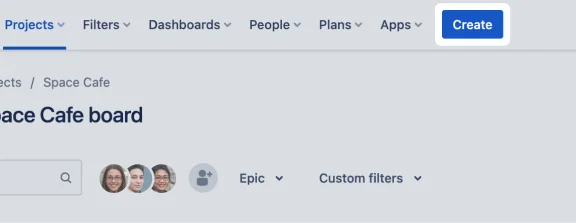
The building blocks of the Jira project are 'issues'. These issues can represent a lot of things including bugs, epic, features that need to be built, story, or simply any project task. Clicking on the 'Create' option in the top navigation will help you create an issue.
Jira facilitates the teams in spending less time managing work and more time to build great software with more than 3,000 Jira software apps. Now that you know everything about this tool, it's time to get started! Send an invitation to your team members and begin working on it.
Being in the IT sector means continuous learning and practicing to stay ahead of your competitors. Join communities, read books, go to conferences, and keep up with the changing industry trends.
Related Article- How To Become A Certified Scrum Master
Jira is a brilliant tool that has spread its wings in companies everywhere around the globe. This Jira tutorial will help you become an expert in the field and unlock a sea of opportunities. Get started in the field of work management with this leading Atlassian tool.
Ans. IT teams, Agile enterprise planning teams, software development teams, and non-technical teams use Jira.
Ans. Jira is a great tool to learn for developers, Scrum masters, product owners, and product managers.
Ans. Jira is an agile project management tool famous for supporting all agile methodologies such as Kanban and Scrum, among others.
Ans. There are two types of projects in Jira namely team managed and company managed.
Jira is used to manage projects and track tasks or bugs. It helps teams plan, organize and monitor their work easily.
Course Schedule
| Course Name | Batch Type | Details |
| Jira Training | Every Weekday | View Details |
| Jira Training | Every Weekend | View Details |