Claude Sonnet is one of the trending topics in AI writing, reasoning and professional workflow tools, it is getting a lot of buzz right now because it has excellent contextual comprehension, generates very human-like responses and offers a high level of reliability when following instructions. Marketers, developers and business teams are using Claude every day for various projects on a daily basis.
In this blog post, I will discuss what Claude is, how it stacks up to GPT-40 and Gemini Pro, its potential real-world applications, pricing and the key benefits and drawbacks of using Claude that you should kno w about.
Claude Sonnet is an AI language model built by Anthropic. Anthropic is a company founded specifically to research and build safer, more reliable AI systems. If you have heard of ChatGPT, Claude Sonnet is a direct competitor. It reads your text, understands context and generates human-like responses, summaries, copy, code explanations and much more.
The name "Sonnet" comes from Anthropic's tiered naming system. Anthropic currently offers three tiers:
Sonnet sits in the sweet spot. It is capable enough for serious work, fast enough for daily use and priced for teams rather than just large enterprises.
Think of the Claude model family like a car lineup. Haiku is your reliable commuter. It is quick, efficient and works well for simple, repetitive tasks. Opus is the high-performance model you pull out for complex research or analysing long documents. Sonnet is the everyday driver that most teams actually live in.
For marketing teams, content operations, or business professionals, Sonnet hits the right balance. You do not need Opus-level processing for writing ad copy or email sequences. You need something fast, consistent and smart enough to understand your brand voice. Claude Sonnet delivers exactly that.
Read Also: ChatGPT Tutorial
Before looking at specific use cases, it helps to understand what Claude Sonnet can and cannot do. So you go in with the right expectations.
Here is where theory stops and practice begins. These are the actual workflows we have plugged Claude Sonnet into and the results I have seen from using it daily.
Our content team was spending roughly 40% of writing time on first drafts. After integrating Claude Sonnet into our workflow and briefing it with our brand guidelines, target persona and SEO keyword list, that number dropped to about 15%. Writers now spend the bulk of their time on editing, fact-checking and adding the human nuance that AI consistently misses.
Pro tip: The single biggest improvement came from building a detailed system prompt that we paste before every content brief. It includes our brand voice guide, three example paragraphs written in our style and explicit instructions on what to avoid. Claude Sonnet picks this up and runs with it consistently.
| Task | Prompt Approach | Result Quality |
|---|---|---|
| Blog first draft | Full brief + brand voice doc + keyword list | ★★★★☆ Strong structure, needs human polish |
| Email subject line variants | 10 options, specify audience segment and goal | ★★★★★ Saves 45 mins per campaign |
| Competitor page summaries | Paste page text, ask for a 5-bullet SWOT | ★★★★☆ Surprisingly accurate framing |
| Ad copy variants | Specify platform, character limits, CTA goal | ★★★☆☆ Good starting point, needs punching up |
Read Also: Top Artificial Intelligence Interview Questions
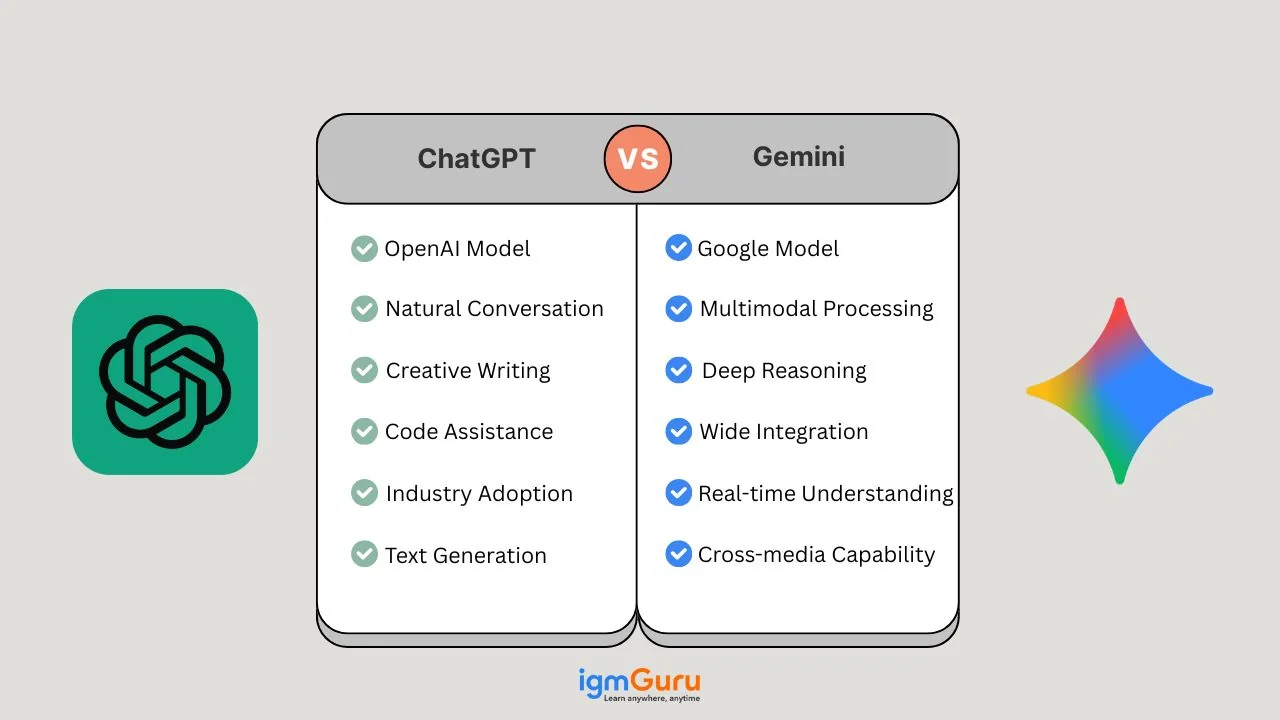
Choosing the right AI model depends on your specific requirements rather than a single "best" option. Anthropic's Claude Sonnet 5 is widely recognised for its exceptional coding capabilities, natural writing style, and strong logical reasoning, making it an excellent choice for developers, writers, and analysts.
OpenAI's latest GPT model provides a well-rounded experience by combining advanced reasoning, high-quality content generation, coding assistance, multimodal features, and reliable instruction following, making it suitable for both personal and professional use. Meanwhile, Google's Gemini model stands out for research-oriented tasks, long-context processing, and seamless integration with Google Workspace applications such as Gmail, Docs, and Drive. All three models offer impressive performance, but the ideal choice ultimately depends on whether your priority is specialised coding, an all-purpose AI assistant, or research and productivity within the Google ecosystem.
Read Also: Claude vs. ChatGPT
Claude Sonnet is gaining popularity because it is smart, well-written and easy to use. The AI has proven to be an excellent choice for professionals and long-form writing because it has amazing levels of performance for these types of activities.
Claude Sonnet is able to create high-quality content. All types of written material (emails, blogs, scripts, reports) will typically appear to be polished and produced by a human being.
Claude Sonnet can process long, large conversations and documents without losing context. It is therefore ideal for use in research, analysis of documents and developing deeper conversations.
Claude Sonnet does an excellent job at summarizing and brainstorming ideas and providing logical reasoning. Claude is especially skilled in changing complex topics into simple terms to aid understanding.
Because Claude Sonnet was developed with strict safety protocols, the model is less likely than many other models to produce unsafe, offensive, or risky outputs.
Business users prefer using Claude for professional applications due to the clear, organized and well-thought-out responses it offers. It is particularly suitable for tasks such as documenting, strategic planning, or communicating with clients.
Disadvantages of Using Anthropic Claude Sonnet - While Claude Sonnet can do many things, some disadvantages limit how it may be used.
Claude would classify some prompts that may be completely harmless as risky and thus refuse to provide a response when some users could benefit from receiving more flexible responses.
Compared to other types of writing, stories, jokes and other forms of creative writing do not seem to be as imaginative or daring.
Claude's answers can be very detailed and sometimes create unnecessary, lengthy or repetitive responses compared to the more desirable shorter responses.
Response times may be longer for larger prompts and for complex reasoning tasks than for other AI models.
Claude has fewer integrations, plug-ins and productivity features compared to other AI services using the same integrated ecosystems.
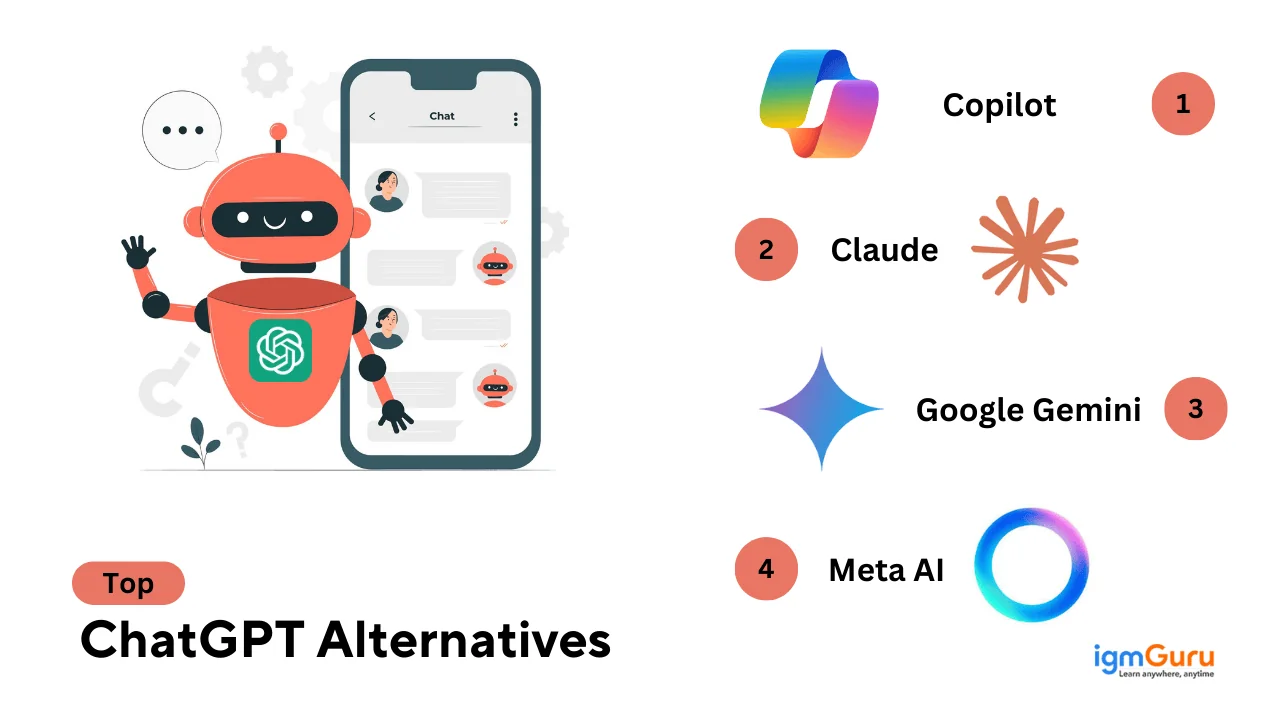
You can also explore: The Best Claude Alternatives
For teams working in content, marketing, or communications, Claude Sonnet is a genuinely useful tool. It compresses the time between brief and publishable drafts. It follows detailed instructions better than most models. It holds tone consistency across long documents. And it scales well from individual use to full team workflows.
It does not replace human judgment. Nothing does. But it does shift where writers and professionals spend their time. Less time on first drafts. More time on editing, strategy and the judgment calls that actually require a human. If you are evaluating Claude Sonnet for your team, start with Anthropic's free tier and run it on a real brief. That is the fastest way to see whether it fits.
Claude Sonnet is capable of writing blog posts, composing emails, generating reports, summarizing lengthy documents, explaining complicated subjects, brainstorming creative ideas, helping you write code and integrating conversationally with information analysis.
Anthropic has made available a free version of Claude Sonnet that allows for some limited use. For individuals, teams and businesses that would like to take advantage of others, they have tools that operate based on payment, so usage levels and high-end functionality are supported.
No, Claude Sonnet is mainly focused on text-based functions right now and unlike many other AI models, Claude Sonnet does not have its own ability to create images.
Yes, one of the areas where Claude Sonnet is very good at is managing long-form documents and carrying on a conversation over long-term continuity of conversations and multiple details within a prompt.
Claude is the name used by Anthropic for its artificial intelligence assistant technology. While Sonnet is one model of technology under the Claude family that aims to provide a balanced performance in terms of intelligence and speed at a low cost.