When ChatGPT launched in late 2022, it completely changed how people interacted with AI. It has made writing emails, generating code, brainstorming ideas and even learning new skills as simple as typing a prompt.
After a few months, Claude entered the scene in March 2023 and positioned itself as a more thoughtful and better long-form reasoning AI. Since then, both of these tools have evolved rapidly. These LLM-based AI tools have come up with multiple model upgrades. They are adding new capabilities and giving tough competition to each other in almost every use case.
Fast forward to today and we are no longer asking what an AI can do? People are asking something more practical: Claude vs. ChatGPT- Which AI should I actually use and for what work?
I had the same question, so instead of relying on specs alone, I tested both Claude and ChatGPT across real-world tasks like writing, coding, research and more to see how they actually perform.
In this guide, I'll break down where ChatGPT is better, where Claude stands out and most importantly, which one you should use based on your needs.
ChatGPT is an AI chatbot developed by OpenAI that can help you write, code, research, brainstorm ideas and even create images, everything in one place. It runs on powerful models like GPT-5 series, GPT-4 and beyond. It is designed to understand context, follow instructions and generate human-like responses.
Yet what makes ChatGPT stand out (from my experience) is how versatile it feels. You can switch from writing a blog post to debugging code, analyzing data or generating visuals without the need to use a different tool. It also comes with features like browsing the web, file uploads and custom GPTs. This makes it more like an all-in-one AI assistant rather than just a chatbot.
In simple terms, ChatGPT is the tool you open when you want to get things done quickly and efficiently.
Claude is an AI assistant developed by Anthropic. It is built with a strong focus on safety, thoughtful responses and deep reasoning. It is designed to handle complex conversations, long documents and nuanced tasks more naturally.
What I noticed while using Claude is how calm, structured its responses feel and the small images it gives you for reference. It does not rush to answer. Instead of that, it is built in such a way to think through problems more carefully. This thing specifically makes it good for writing, summarizing large amounts of content and tackling detailed or sensitive topics.
Claude is also known for handling much larger contexts (meaning it can process long PDFs, documents or conversations better). This makes it a strong choice for research-heavy work.
In short, Claude is the tool you use when you want better thinking, deeper understanding and more refined responses.
Read Also: The Best AI Tools in 2026
If you are someone who is trying to quickly decide between these two AI tools, then this table gives you a clear side-by-side comparison based on real-world usage.
| Feature / Use Case | ChatGPT (by OpenAI) | Claude (by Anthropic) |
| Best For | Versatile tasks, coding, everyday use | Writing, reasoning, long-form content |
| Ease of Use | Very user-friendly, feature-rich UI | Clean, minimal, distraction-free |
| Writing Quality | Great, but sometimes generic | More natural, nuanced, human-like |
| Coding & Debugging | Strong, better for developers | Good, but slightly less precise |
| Reasoning Ability | Strong, fast responses | More thoughtful and structured |
| Context Length | High (handles large inputs well) | Excellent (handles very long documents better) |
| File Uploads | Yes (PDFs, docs, data files) | Yes (especially strong with long documents) |
| Image Generation | Yes (built-in image creation) | Not available |
| Internet Access | Yes (can browse the web) | Limited / not as strong |
| Custom AI Tools | Yes (custom GPTs, integrations) | Not available |
| Speed | Fast and responsive | Slightly slower but more deliberate |
| Tone & Style Control | Good | Excellent (feels more human) |
| Safety Approach | Balanced | Strong focus on safe, aligned responses |
| Overall Strength | All-in-one AI assistant | Deep thinking, high-quality writing |
| Paid Tier |
$8/month (Go, with ads) $20/month (Plus) $200/month (Pro) |
$20/month (Claude Pro) $100/month (Max - 5x usage) $200/month (Max - 20x usage) |
| Team Plans |
$30/user/month Includes workspace management and shared custom GPTs |
$25/user/month Collaboration through shared Projects |
| API Pricing |
Luna: $1 / $6 Terra: $2.50 / $15 Sol: $5 / $30 (per million input/output tokens) |
Haiku 4.5: $1 / $5 Sonnet 5: $3 / $15 (introductory $2/$10 through Aug 31, 2026) Opus 4.8: $5 / $25 Fable 5: $10 / $50 |
| Value for Money | More flexible pricing options across users and developers | Better for users who prioritize writing quality over cost |
After spending time with both tools, I noticed that Claude performs better in a few very specific areas. The difference is not always dramatic, but during long-form or thoughtful tasks, it becomes very noticeable.
Overall, Claude feels strongest when the task requires patience, clarity, long-form understanding and more human-like communication.
At the same time, ChatGPT clearly stands out in areas where speed, flexibility and execution matter more. During my testing, it consistently felt more like an all-purpose AI workspace rather than just a conversational assistant.
In simple terms, ChatGPT feels more like a powerful AI toolkit built for execution, while Claude feels more focused on thoughtful communication and deeper understanding.
Read Also: Artificial Intelligence Interview Questions
Both ChatGPT and Claude run on multiple AI models, but if you are using them today, you are most likely going to interact with their latest flagship models. These are the ones designed for the best performance across writing, coding and reasoning.
Instead of going too deep into technical details, here is a clear comparison of their most powerful models right now:
| Category | ChatGPT (OpenAI) | Claude (Anthropic) |
| Latest Flagship Model | GPT-5.6 (Sol, Terra, Luna) and GPT-5.5 | Claude Fable 5, Claude Opus 4.8, Claude Sonnet 5, Claude Haiku 4.5 |
| Performance Focus | Speed + versatility | Reasoning + writing quality |
| Coding Ability | Excellent (one of the best available) | Very good, but slightly behind |
| Writing Quality | Great, structured | More natural and human-like |
| Reasoning Depth | Strong and fast | More detailed and thoughtful |
| Multimodal Support | Text, images, files | Mostly text-focused (limited multimodal) |
| Speed | Fast | Moderate (more deliberate responses) |
| Context Window | Large | Very large (handles long documents better) |
| Best Use Case | All-in-one assistant | Deep work, writing, analysis |
One of the biggest factors when choosing an AI assistant is pricing. While both ChatGPT and Claude offer free plans, their paid subscriptions are designed for different types of users. ChatGPT focuses on providing a complete AI ecosystem with image generation, voice mode, web browsing and custom GPTs, whereas Claude emphasizes high-quality writing, reasoning and document analysis. Understanding what each plan includes can help you choose the one that offers the best value for your workflow.
| Plan | ChatGPT | Claude |
| Free | Access to GPT models with limited usage and features. | Access to Claude with limited daily usage. |
| Individual Plan | Go ($8/month), Plus ($20/month), Pro ($200/month) | Pro ($20/month), Max ($100/month), Max ($200/month) |
| Team Plan | $30 per user/month | $25 per user/month |
| Enterprise | Custom pricing | Custom pricing |
| Developer API | Multiple GPT-5 model pricing options for different workloads. | Separate pricing for Haiku, Sonnet, Opus and Fable models. |
If you only compare the standard subscriptions, ChatGPT Plus and Claude Pro both cost $20 per month. However, the experience you get is quite different.
Overall, if you need one AI assistant for a wide variety of tasks, ChatGPT provides better value because of its larger feature set. If your work revolves around writing, research and long-form reasoning, Claude's pricing is equally compelling despite offering fewer built-in tools.
Also Explore: GPT-6 Astra: A Complete Guide
Factually, both ChatGPT and Claude look incredibly powerful. But honestly, from my perspective, that does not help much when you are just trying to figure out: Which one should I actually use for my work?
So instead of comparing features, I did something simpler. I gave both tools the same prompts related to writing, summarizing, explanation, brainstorming, etc., and looked at how they responded.
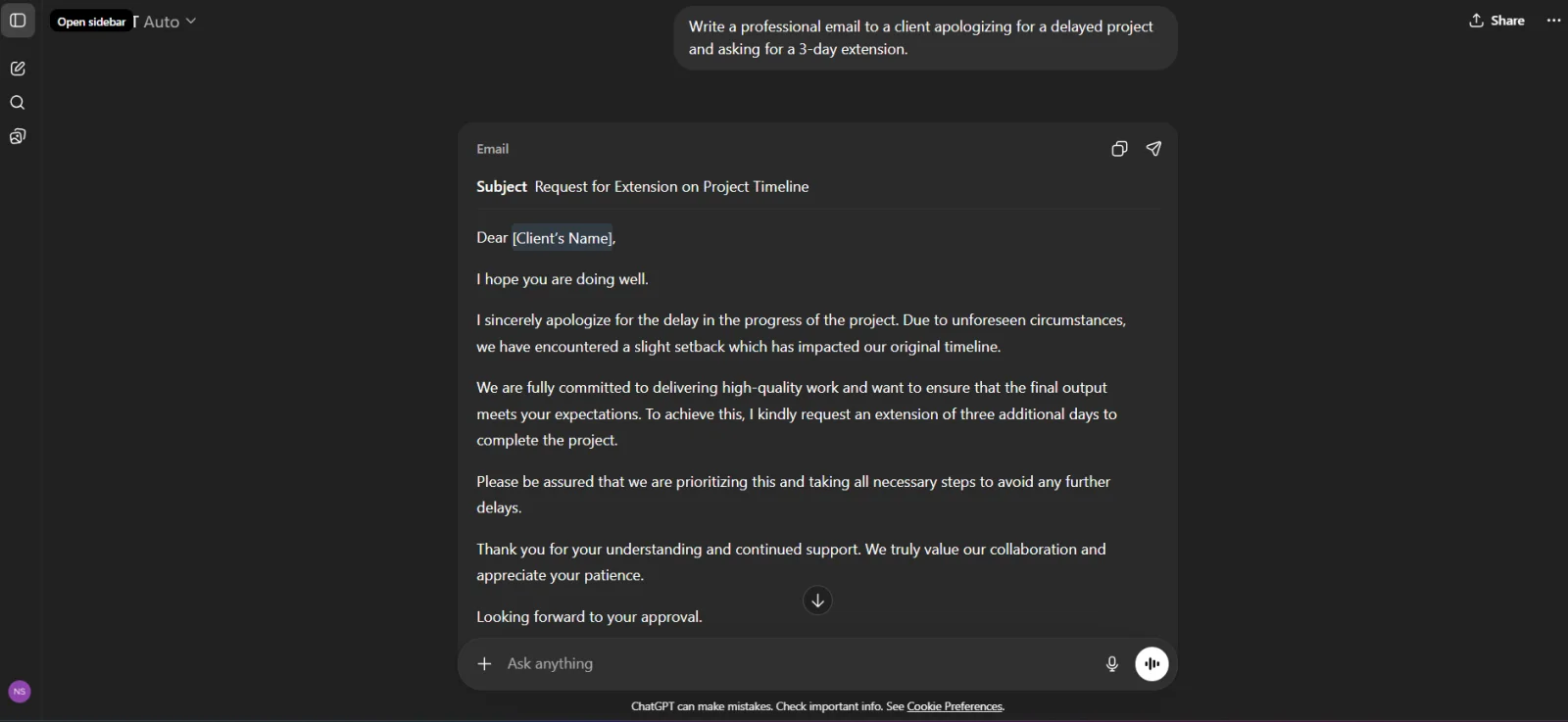
Let's start with a very common task: writing a professional email. This is something which we all do. Here is the exact prompt I used for testing both of them.
"Write a professional email to a client apologizing for a delayed project and asking for a 3-day extension."
ChatGPT's response:
Claude's response:
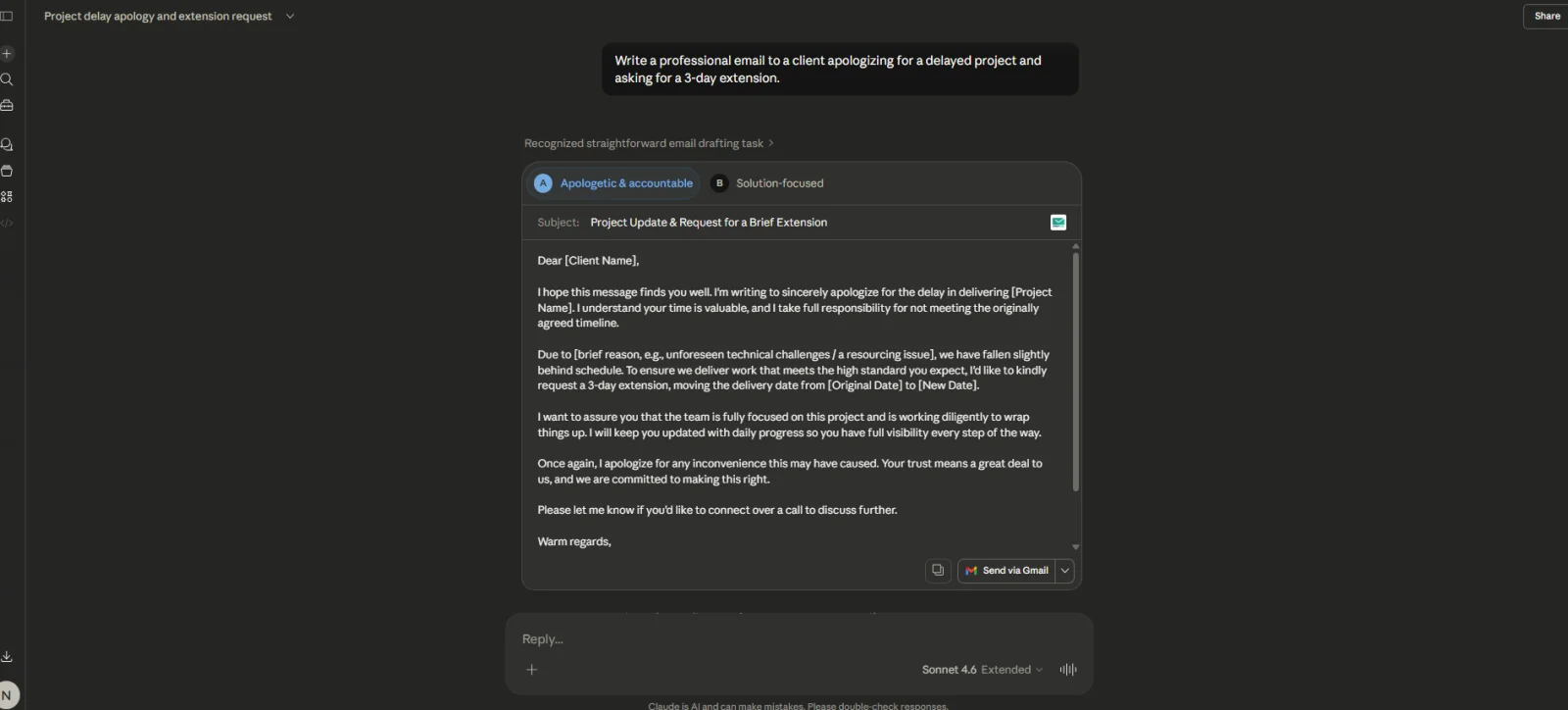
Now, both of these tools performed well in this part. But when I looked closely:
It is a small difference in both of these, but in client communication, small things also matter.
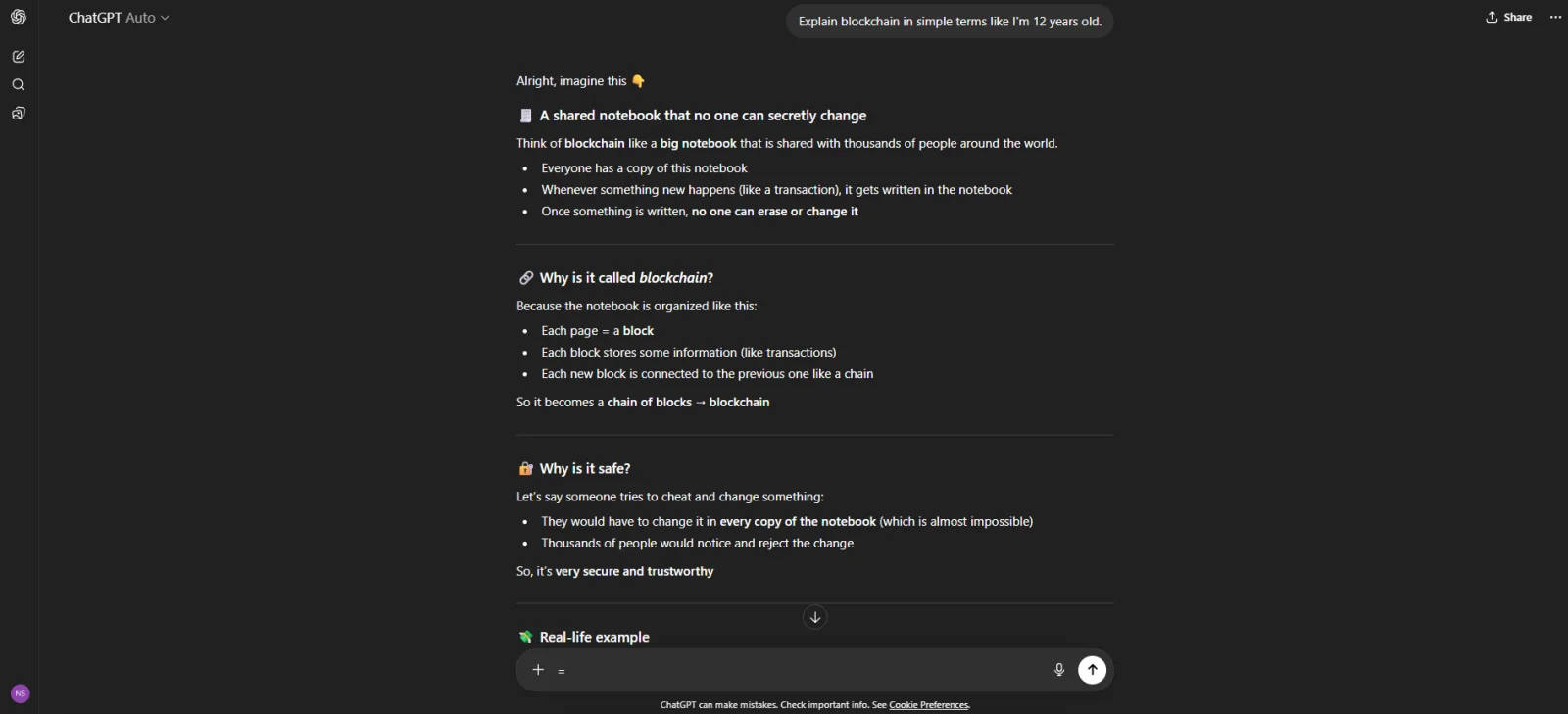
Next, I wanted to see how well they explain things. Here is the prompt that I used: "Explain blockchain in simple terms like I'm 12 years old."
ChatGPT's response:
Claude's response:
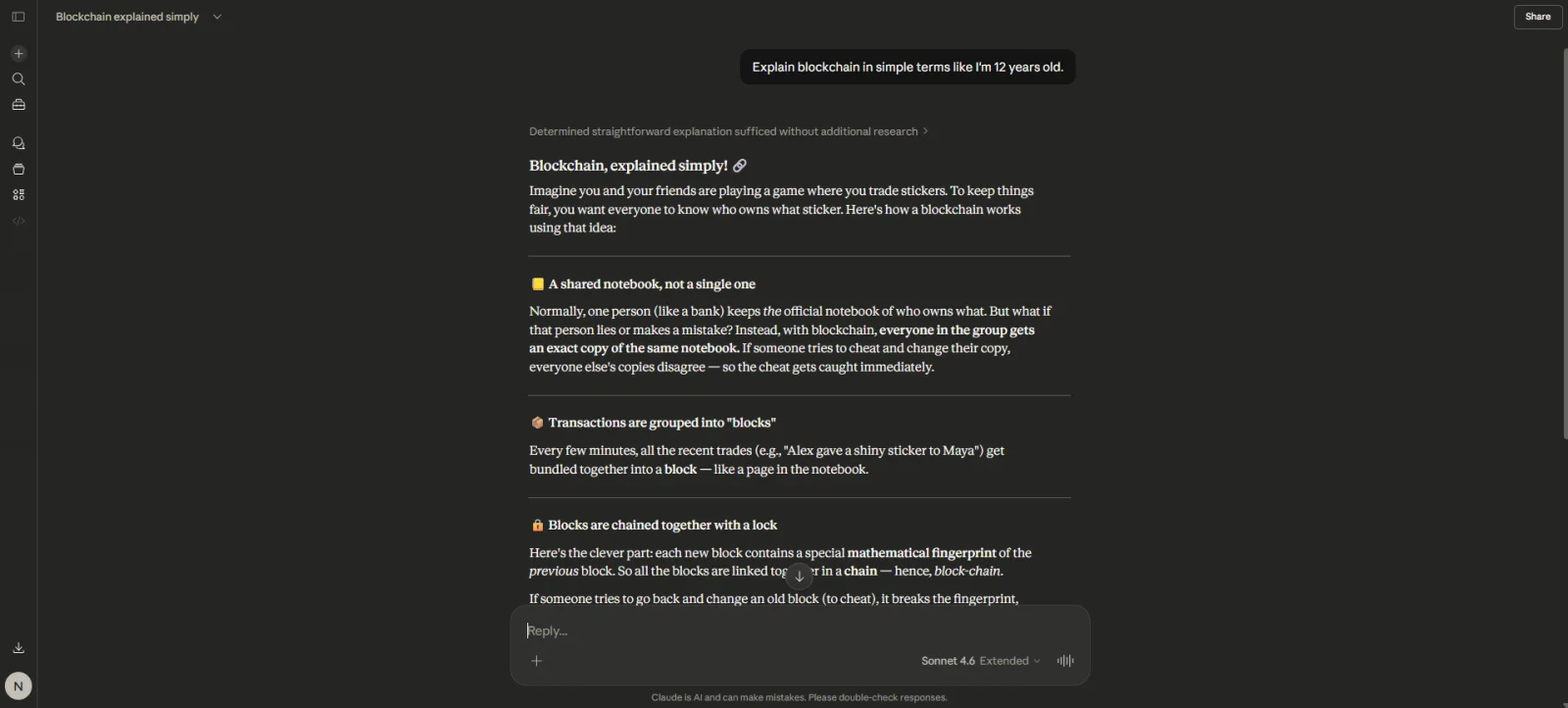
Both tools explained it well but again, the style was different.
The difference between the two was like reading a definition vs someone explaining it to you directly? That is exactly what this felt to me.
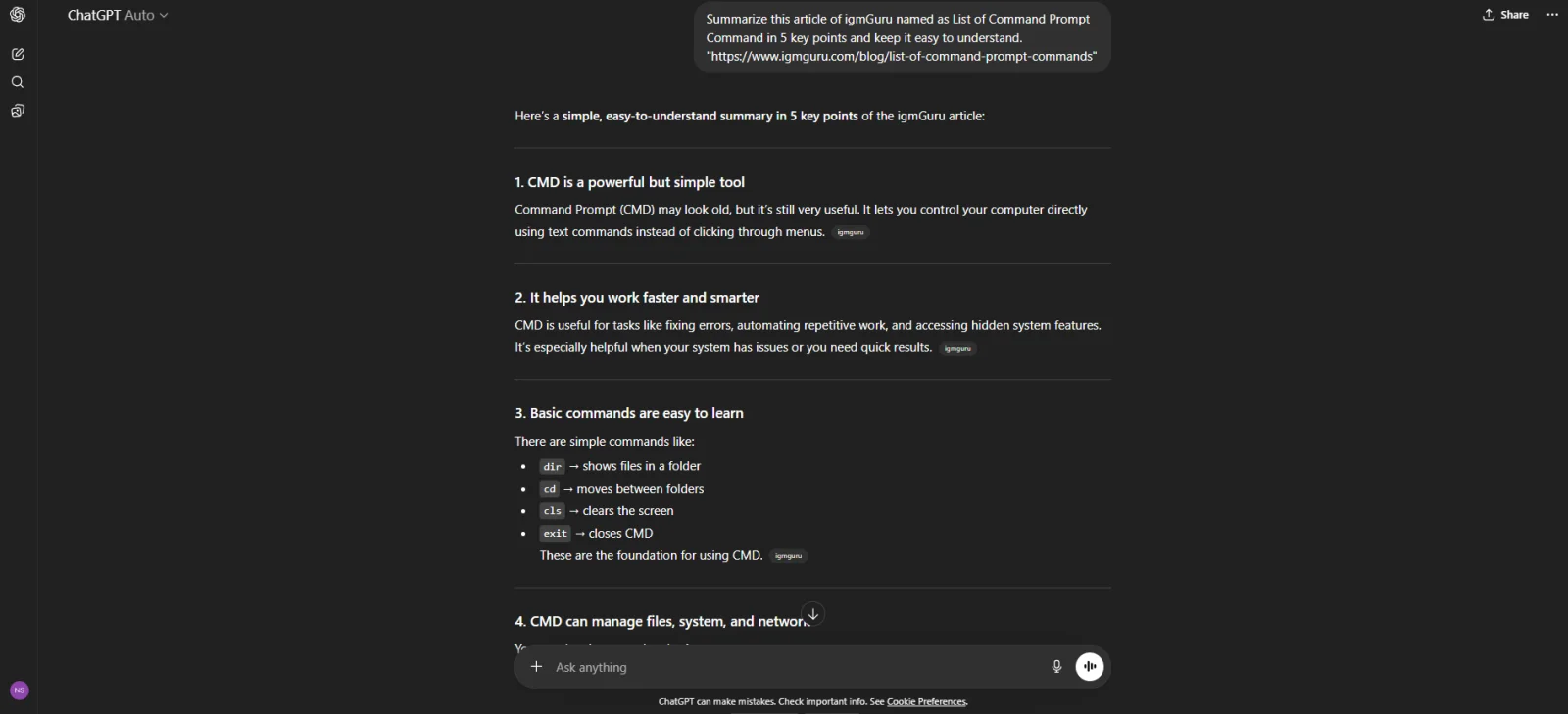
Now let's test something practical i.e., summarization. Here is the prompt which I used to test: "Summarize this article of igmGuru named as List of Command Prompt Commands in 5 key points and keep it easy to understand. "
ChatGPT's response:
Claude's response:
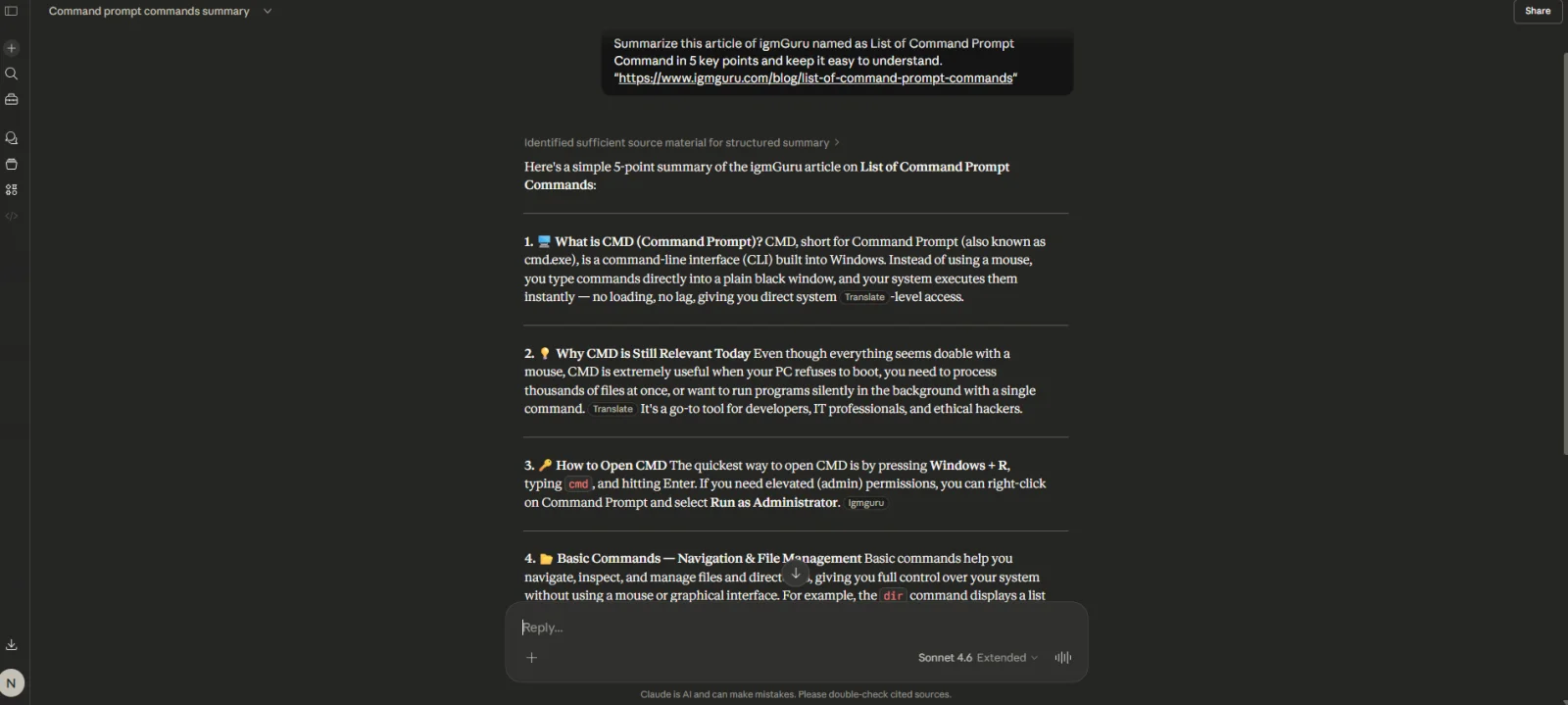
This one was quite a neck-to-neck comparison and interesting as well.
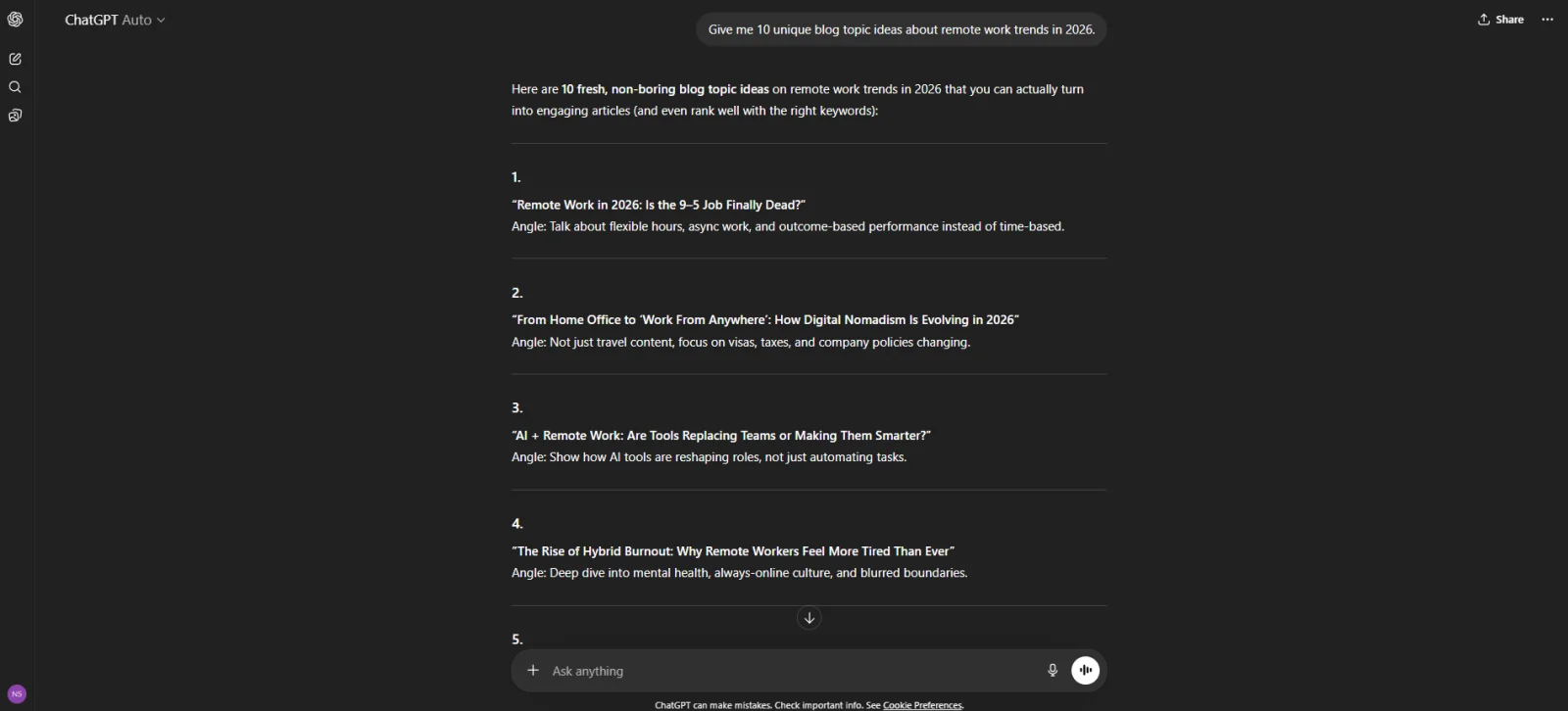
Now this is where I started noticing a real difference. Here is the prompt I used: "Give me 10 unique blog topic ideas about remote work trends in 2026."
ChatGPT's response:
Claude's response:
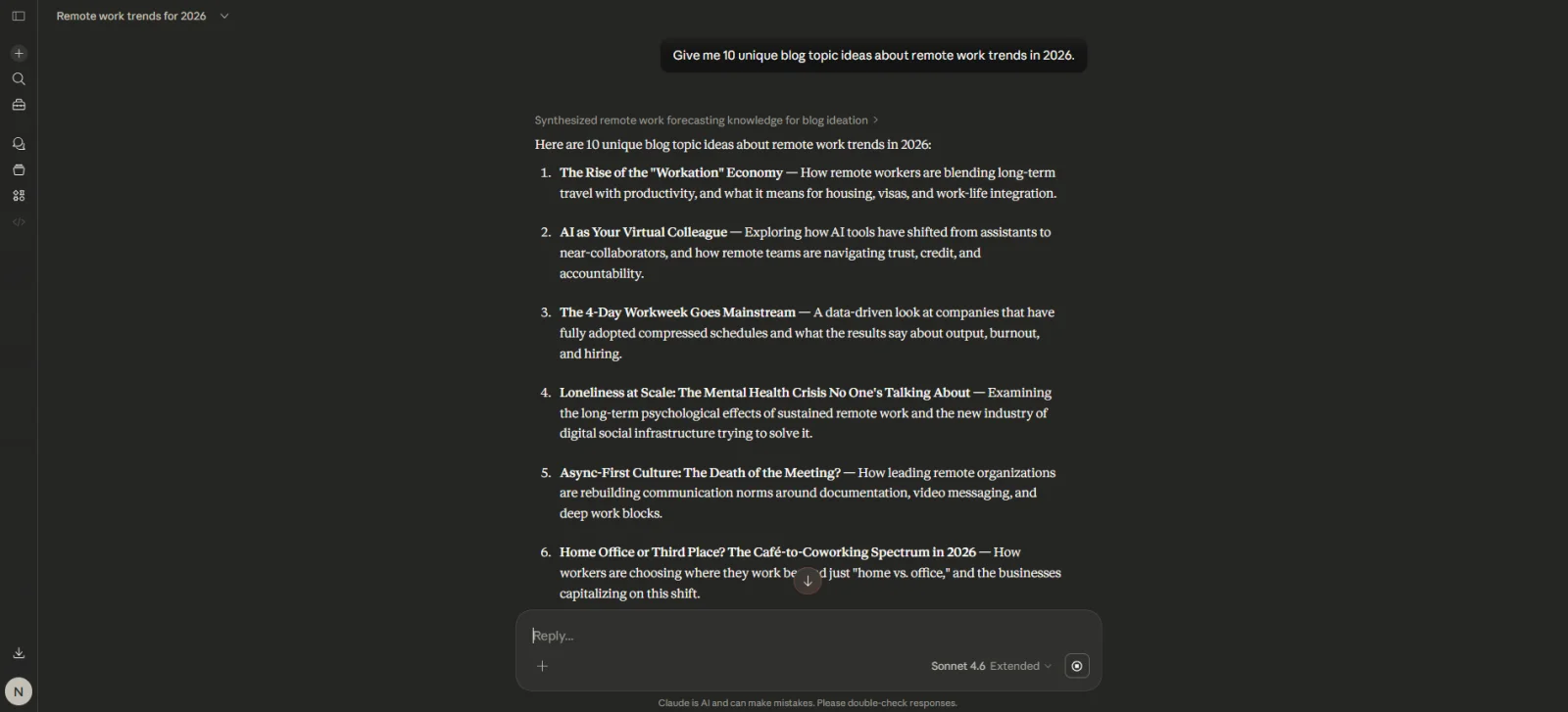
ChatGPT gave solid ideas which were useful, but a few felt familiar, while Claude came up with slightly more interesting angles like behavioral shifts, workplace psychology and deeper trends.
So, what's the difference?
After trying these simple and day-to-day prompts, I realized something important: It is not about which one is better overall. But it is about how they approach particular tasks.
My honest verdict on the basis of the above tests is that ChatGPT feels like a highly efficient tool. You simply give it instructions, and it executes quickly and reliably. It responds like a general AI tool. On the other hand, Claude AI feels more natural, connected and easier. It understands what you are saying, refines and improves with you.
Read Also: Generative AI Tutorial
One thing that many people miss is that both ChatGPT and Claude do not just help with coding in a general sense. They both actually have their own dedicated systems which are built specifically for it.
ChatGPT runs on Codex while Claude runs on Claude Code.
Now, it might not seem like a big deal. But when you start using them for actual coding-related tasks, you will see that the difference becomes very noticeable. It is not just about what they generate, but it is also about how they approach the problem.
When I started using both tools for coding tasks, I noticed something interesting almost immediately.
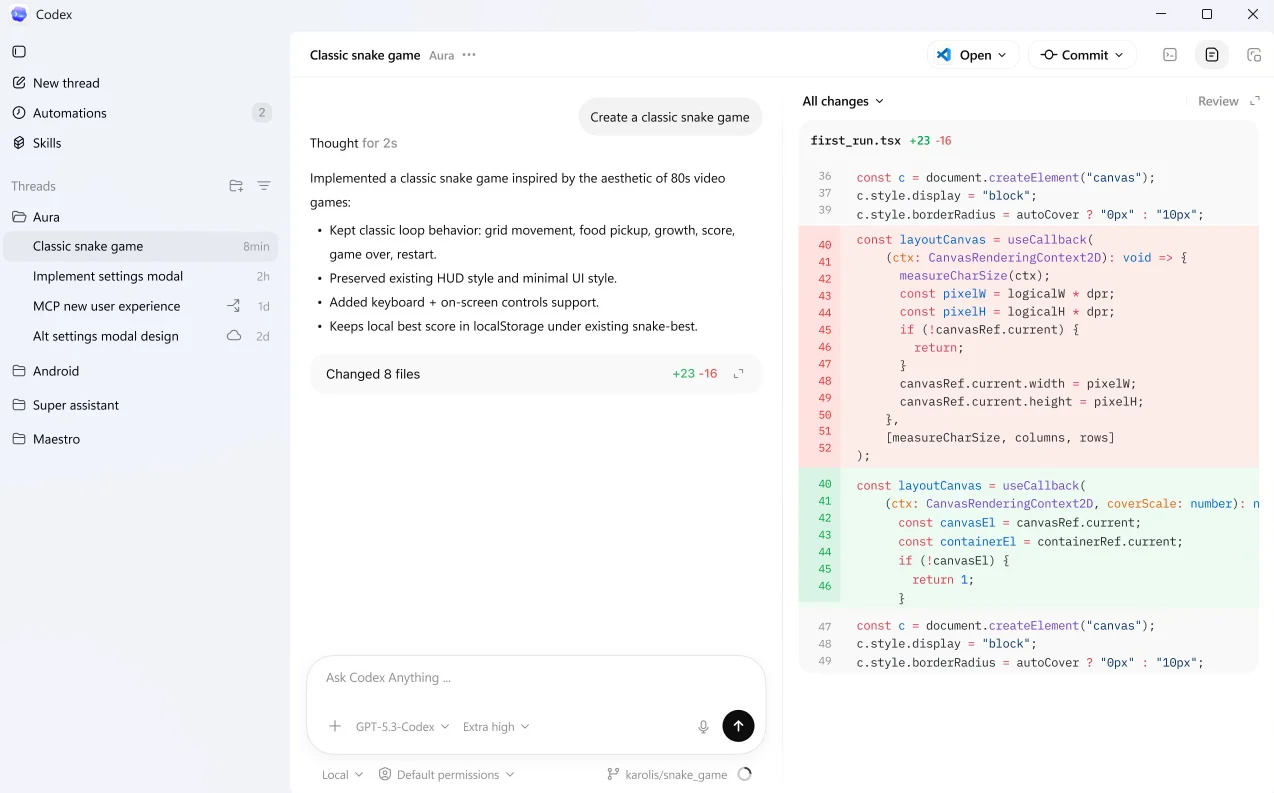
ChatGPT's Codex feels like a tool you assign a task to. You tell it what to build and it quickly gives you a working solution. It is fast, efficient and gets straight to the point.
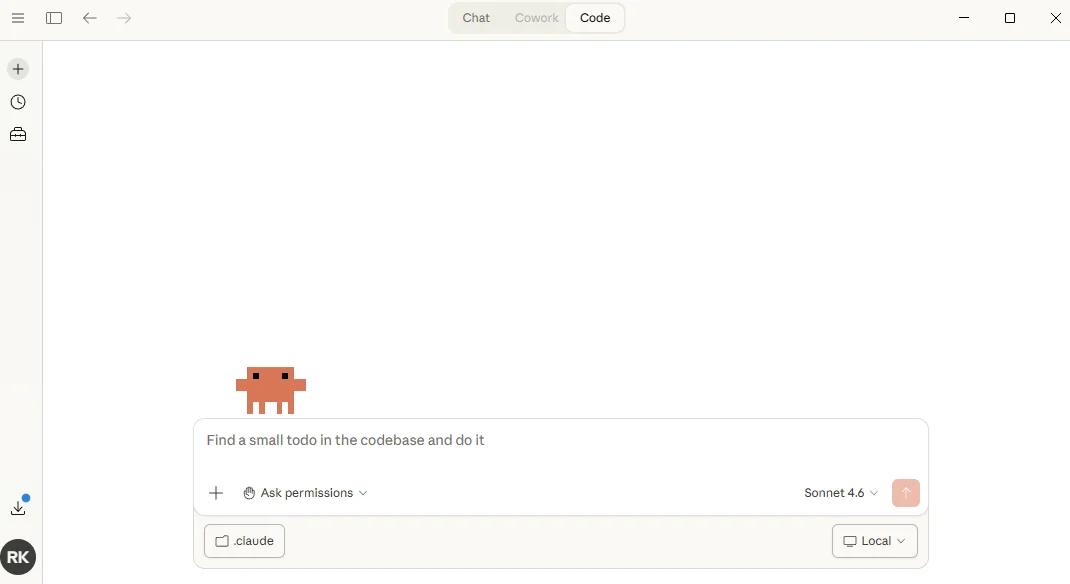
Claude Code on the other hand, feels more like a developer is sitting next to you. It does not just jump to the answer. It thinks through the structure, explains decisions more clearly and many times adds context that you did not explicitly ask for. It is a small shift, yet it completely changes how the interaction feels.
This is where the real difference shows. If your goal is speed, then ChatGPT is incredibly reliable. You can throw almost any coding task at it and it will give you something usable and accurate for your query in seconds. This speed makes a big difference for quick builds, small features or tight deadlines.
Claude takes a slightly more deliberate approach. It still gives you solutions, but it tends to organize things better by breaking logic into cleaner parts. It makes the code easier to read and it thinks a bit more about how everything fits together.
This really comes down to how you like to work.
If you prefer moving fast, iterating quickly and just getting code out the door, ChatGPT will feel very natural. It is efficient and dependable in that sense.
But if you care more about clarity, structure and understanding what's happening under the hood, Claude starts to feel like a better fit. It is a bit more thoughtful in how it responds. This can make a big difference over time.
Before we compare anything, let us quickly understand what agentic AI actually means. In simple terms, agentic AI is when the AI does not just respond to a single prompt. It can actually think in steps, break down a goal and work toward it in a more structured way. It does not just answer a question, it starts behaving more like an assistant that understands what you are trying to achieve.
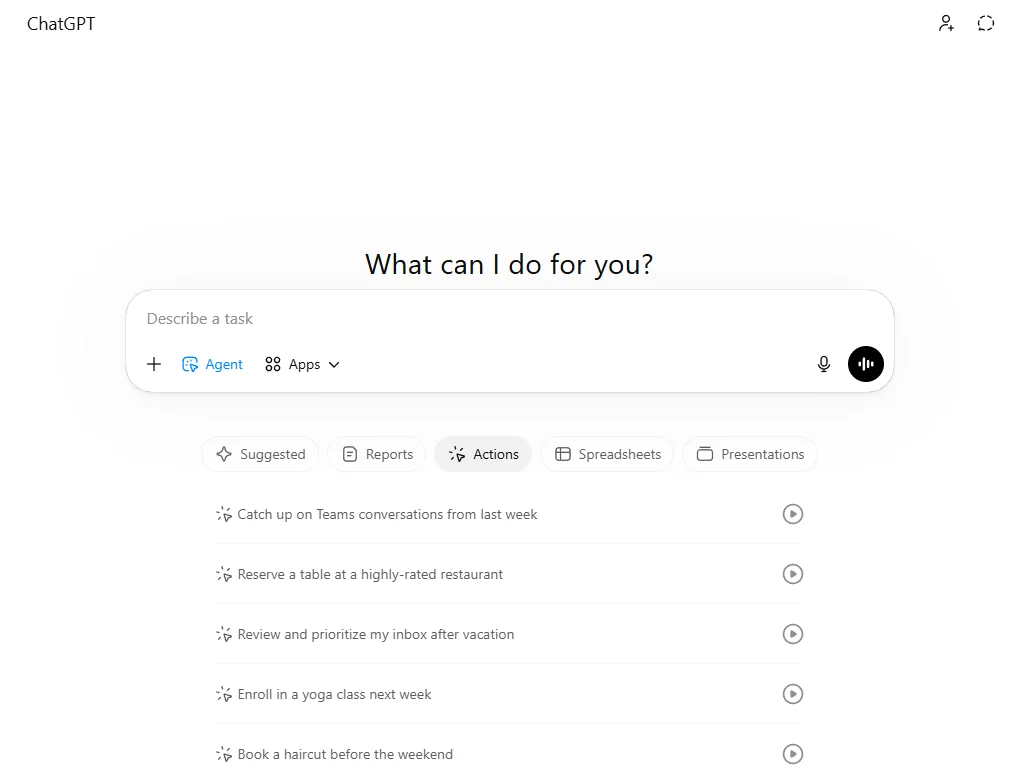
When you start using ChatGPT for more complex or multi-step tasks, it feels like a very capable executor that's extremely good at following instructions.
You give it a goal and it breaks things down in a logical and structured way. It moves step by step, keeps things organized and focuses on delivering exactly what you asked for. The more clearly you guide it, the better it will perform.
What I noticed is that ChatGPT works best when you stay involved in the process. You tell it what direction to take, refine the output and it keeps improving based on your input. It does not usually go far beyond your instructions on its own but that is actually a strength if you like control.
Over time, with added features like tools, memory and custom setups, it has definitely become more "agent-like." But at its core, it still feels like a system designed to execute tasks efficiently rather than explore them deeply on its own.
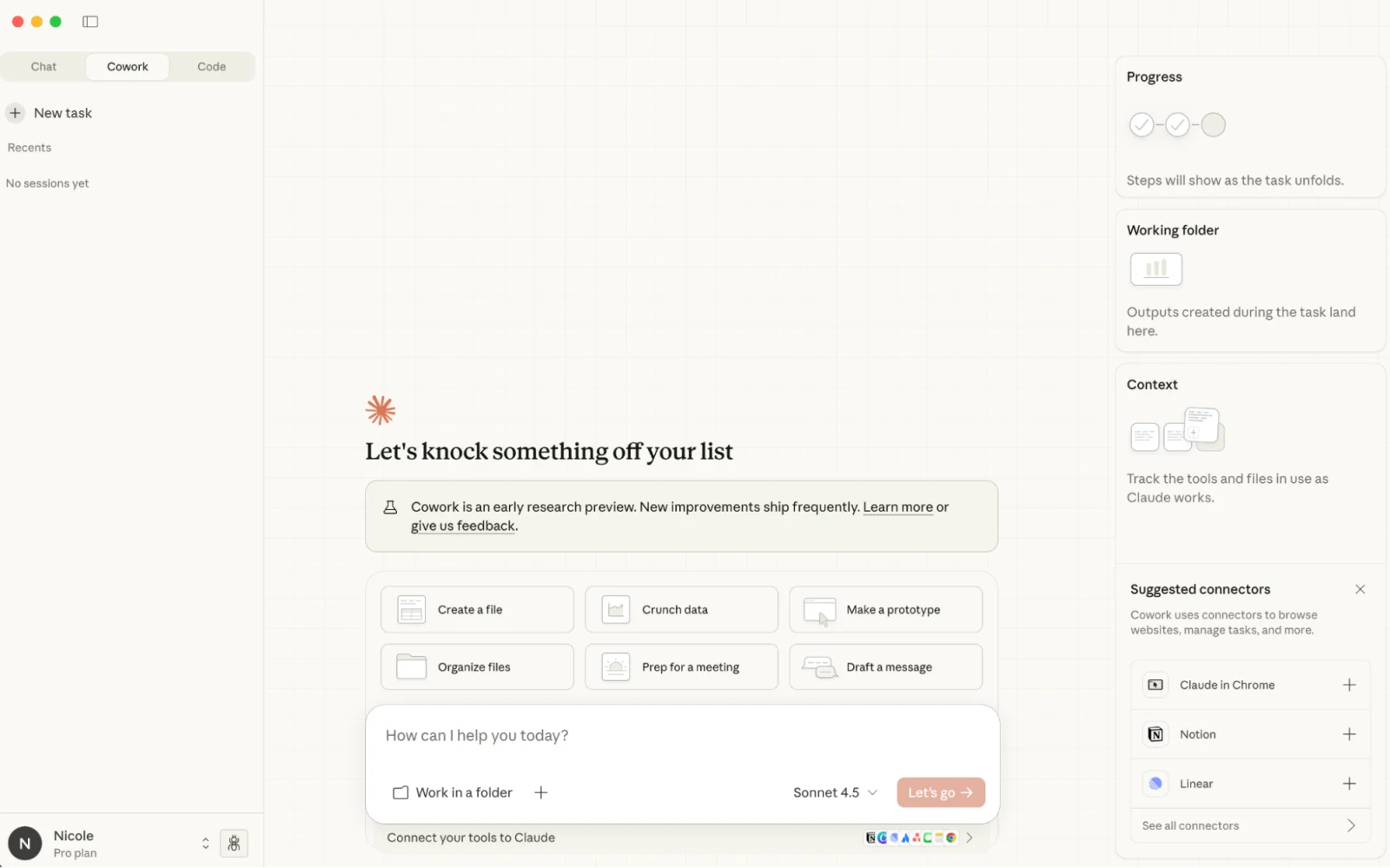
Claude feels a bit different from the moment you start giving it broader/complex tasks.
Instead of just executing what you say, it often feels like it is thinking side-by-side with you. When you give it an open-ended goal, it does not just break it into steps. It expands on it, connects ideas and sometimes even takes the conversation in a direction that actually improves the outcome.
What stood out to me is how naturally it handles ambiguity. You don't always need to over-explain your prompt. Claude tends to interpret your intent better and fill in the gaps in a way that feels helpful rather than random.
This makes it especially strong for things like writing, strategy, research or anything that is not strictly defined. It feels less like you are giving commands and more like you are working with something that is actively contributing to the process.
The difference between the two becomes much clearer when your prompt is not very specific.
If you give ChatGPT a broad task, it will usually stay close to your instructions and try to structure the response in a clean, step-by-step way. It is predictable, controlled and focused on completing the task as defined.
Claude on the other hand, tends to explore the space around your request a bit more. It might add perspectives you did not explicitly ask for, expand on ideas or reshape the response in a way that feels more complete.
This does not mean one is better than the other. It just depends on what you are looking for.
One thing that really stands out with ChatGPT is how many extra capabilities it brings beyond just chatting.
Over time, it has evolved into something that feels less like a chatbot and more like a full AI workspace. People are not just asking questions now, they are actually doing things inside it.
For instance, you can create Custom GPTs. It basically lets you build your own version of ChatGPT tailored for specific tasks. You can customize it to behave exactly how you want whether it is a writing assistant, coding helper or business tool.
Then there is another advantage: image generation. It is built directly into ChatGPT. You can generate visuals just by describing them and with tools like Sora 2 (for video), it goes even further into creative work.
It also offers features like:
After testing both tools across different use cases, one thing becomes very clear, this is not about choosing a winner. It is about choosing the right tool for the kind of work you do.
Because honestly, both ChatGPT and Claude are excellent. But they shine in slightly different areas and once you understand that, the decision becomes much easier.
If your work involves doing multiple things in one place, ChatGPT will feel like the better choice instantly.
It is fast, efficient and extremely versatile. You can switch from writing to coding, generate images, analyze files, browse the web and even automate tasks without leaving the platform. From my experience, ChatGPT works best when:
Claude feels better when your work requires more thinking, clarity and refinement. It is not trying to do everything, but it focuses on doing a few things really well. And that clearly shows in tasks like writing, explaining and working with long or complex content. From what I noticed, I think Claude is a better choice when:
At this point, the comparison between Claude vs. ChatGPT becomes much clearer. Both tools are powerful, both are improving rapidly and can handle a wide range of tasks. Yet, the real difference is not in what they can do: it is in how they do it.
ChatGPT feels like a fast, reliable and versatile AI that helps you execute tasks quickly. Whether it is coding, generating images, analyzing data or handling multiple workflows, it is built to help you move faster and get more done.
Claude on the other hand, feels more thoughtful and refined. It takes a slightly different approach by focusing on clarity, better writing and deeper understanding. It is not trying to do everything, but what it does, it does really well.
From my experience, the smartest approach is not choosing one over the other but understanding when to use which tool. Because once you do that, you are not just using AI you are using it effectively.
Explore Our Trending Articles
ChatGPT is more feature-rich but Claude often gives more thoughtful and refined responses.
Claude is generally better for natural, human-like writing and long-form content.
ChatGPT performs better for coding, debugging and technical tasks.
ChatGPT is more beginner-friendly due to its simple interface and wide range of features.
It depends on the plan. Claude Pro and ChatGPT Plus both cost $20 per month. Claude Team is slightly less expensive at $25 per user per month, while ChatGPT Team costs $30 per user per month. The better value depends on whether you prioritize advanced AI features or high-quality writing and reasoning.
There is no universally better tool between Claude or ChatGPT. They actually are better for different tasks. Claude wins for nuanced long-form writing, coding architecture, and deep document analysis. ChatGPT wins as an all-in-one toolkit with built-in image generation, voice mode, and broader brainstorming versatility.