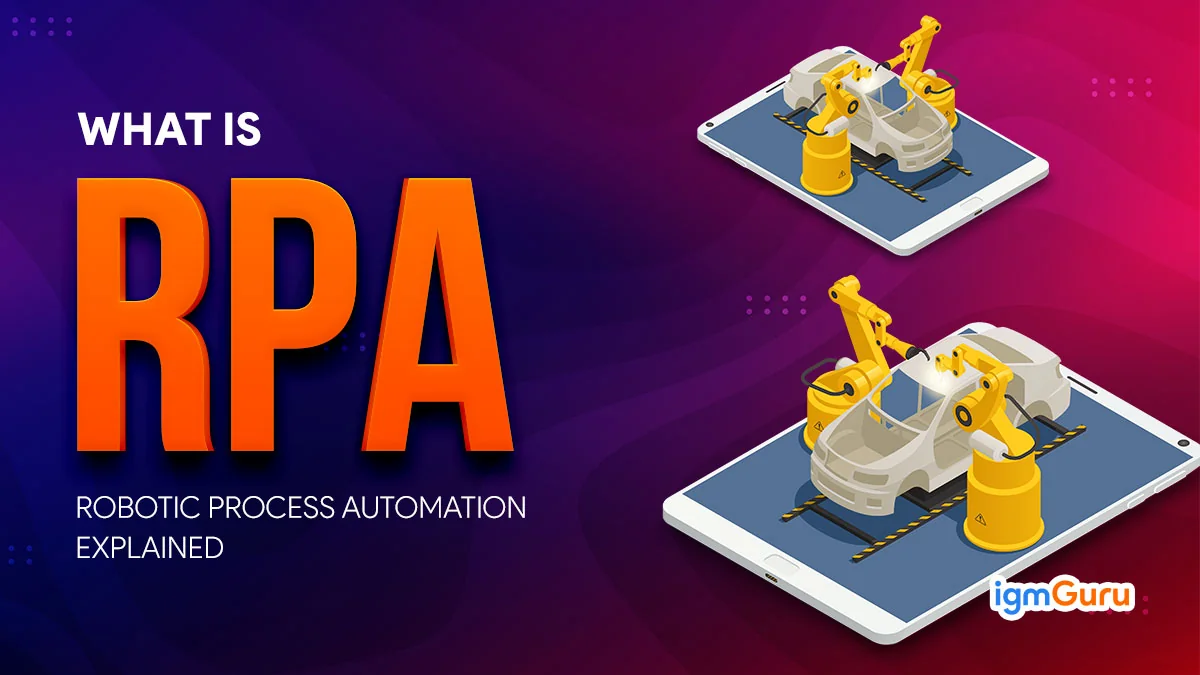
Have you ordered a product online and got a shipping notification via email, or maybe filled out a job application online? If so, then knowingly or unknowingly you've been exposed to the technology known as Robotic Process Automation (RPA).
In simple words, RPA is used for the configuration of software “robots” to capture data and perform routine tasks, ranging from automated emails to streamlining process flows or business services. Not only is RPA simple to employ, but it also provides a number of benefits such as an increase in efficiency and enhanced customer service.
Now that you have some idea about robotic process automation, you may be wondering what kind of career path is available to someone interested in this rewarding field. There are so many RPA career possibilities available, one of them is that of an RPA developer.
An RPA developer is someone who works cross-functionally with business operations and business analysts to create and optimize workflow processes. However, this is an almost new career path, and many companies have different titles for these developers.
Let's discuss the role of a successful RPA developer who needs specific skills and best practices like documentation and planning. In order to automate a business process, they create workflow diagrams and strategically document the process prior to implementation.
While the duties of an RPA developer may change, someone in this role is typically in charge of designing and managing workflow automation projects. In order to be a successful RPA developer, you need to have the ability to navigate various appropriate technologies, such as UiPath or Automation Anywhere. Let's get to know how to get certified in these tools later.
Now that you know exactly what an RPA developer is and what their responsibilities are, it's time to investigate which skills are essential for success in this domain.
Planning is very important for success in this role. Setting design objects or initiatives for your robotic process automation project and mapping out workflow will allow for easier execution.
You will require being able to analyze a process and provide improvement recommendations. A key benefit of choosing RPA is its ability to develop a workflow, therefore as an RPA developer, you are responsible for operating the technology that does just that: updates workflow.
Self-regulation does not always go smoothly the first time around. Errors occur, and bugs will pop up. We already discussed that you may be responsible for testing and bug fixes.
It's important that you have the expertise and thorough knowledge in programming languages such as C/C++, Python, Ruby, Java and etc.
Artificial intelligence (AI) is the foundational element in any automation process, making it a key concept to be learned by a robotic process automation developer. Similarly, machine learning (ML) plays an integral role in enhancing product quality. Skills to implement the embedded machines are also a must.
Having a good command of SQL is important for a robotic process automation developer. This is because SQL is the core of database integration. It is used to transform humongous data sets into automated and organized tasks. This is done by leveraging the company's relational database.
Are you uncertain about the steps to take to become an RPA developer? Well then, this is where you can take a sigh of relief. This section of the blog is dedicated to unlocking the mystery behind getting started in this field and acing it.
Most of the organization always looks for the candidates with a strong educational background. As there is no particular qualification for these developers, you can go for computer science engineering, IT engineering or any other related field. You can also consider PG diploma courses in AI or ML.
Engineering degrees also help to build a strong fundamental base in programming languages, AI, ML, SQL and many other concepts. Therefore, you will not have to suffer with the basics in your further journey.
After completing the graduation, you can start from learning the basic concepts of robotic process automation. These include robots (bots), processes, automation, orchestration, triggers, data handling, non-invasive integration, etc. It will familiarize you with this technology and its capabilities.
Online training and courses are something you must consider if you are serious about succeeding in this field. Learning under the mentorship of experts is sure to help you become a professional with an expert skill set and knowledge base. Joining these courses will give you a platform to master robotic process automation completely.
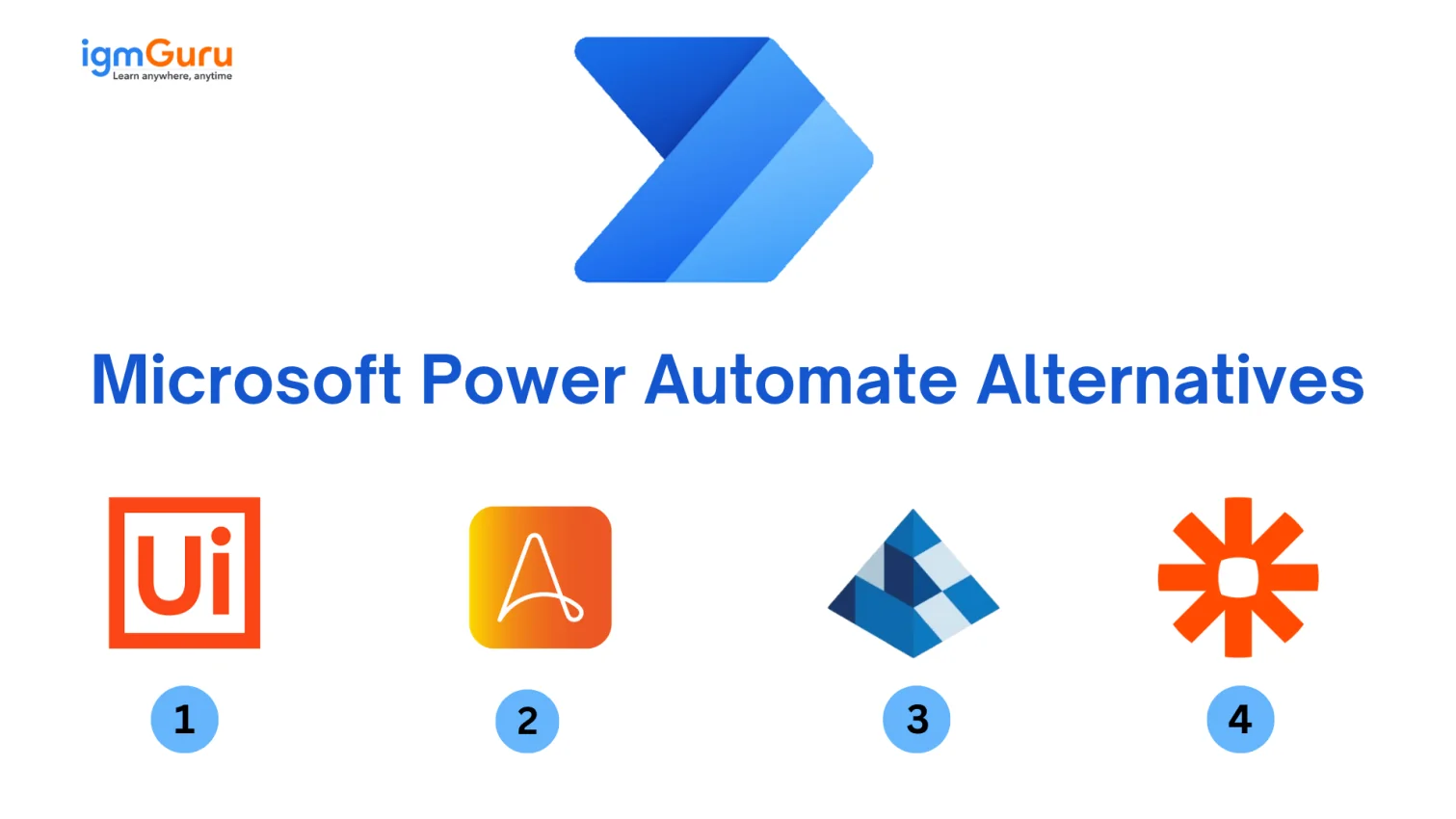
Some of the top RPA tools in the market today are UiPath, Blue Prism and Automation Anywhere. Depending on your preference, you can begin with one and move ahead. You can master these platforms from different resources like online communities, courses, training or tutorials. You can also use study materials like blogs, documentation, articles, etc.
Being in the field of robotic process automation is all about honing great practical skills, which can be polished by working on live projects. Once you get that, you will have complete working skills and knowledge to carry out tasks aligned with your job profile. Securing opportunities to work on live projects also works as an adjective to your resume.
As you gain practical experience, it is crucial to document your achievements and projects in a well-structured portfolio. This collection of your work serves as proof of your skills and accomplishments that make you a more compelling candidate for potential employers. You just have to showcase your successful automation projects, highlighting the challenges and the results.
Obtaining relevant certifications from recognized RPA vendors (like UiPath, Blue Prism or Automation Anywhere) can significantly enhance your credibility and marketability. These certifications validate your proficiency in specific robotic process automation tools and methodologies that demonstrate your commitment. Common certification choices include:
By following all the steps listed above, you will be well-prepared to enter the job market. Start with entry-level positions or internships in robotic process automation development. Internships can provide invaluable real-world experience and networking opportunities. These serve as a stepping stone to full-time employment.
Related Article - RPA Interview Questions
The Robotics Process Automation market size is expected to grow at a CAGR of 20.3% between 2023 and 2030. Industries like healthcare, manufacturing, and retail are accepting RPA to automate their tasks such as inventory management, claims to process, and invoice creation. "According to research from the Bureau of Labor Statistics, computer and IT jobs are expected to grow much faster than average from 2023 to 2033, with a projected 356,700 job openings annually."
The demand for RPA developers remains high across various industries as companies are increasingly adopting automation. This high demand often translates to competitive salaries for skilled professionals. These salaries can vary significantly based on several factors including:
Salary Ranges by Country and Experience
As robotic process automation continues its rapid expansion across industries, the demand for skilled developers is also intensifying. Additionally, the promising future of this technology makes it a rewarding career for individuals.
The path to becoming an RPA Developer combines technical aptitude with strategic thinking. Acquiring a strong educational foundation, mastering essential concepts and gaining proficiency on different platforms are the key to becoming one of them.
"According to research from the Bureau of Labor Statistics, computer and IT jobs are expected to grow much faster than average from 2023 to 2033, with a projected 356,700 job openings annually."
Ans. The total time to pursue this career depends on the individual’s skills and prior knowledge of this field. Typically, an average candidate takes one to six months of time.
Ans. While coding is not a necessary part of this technology, it can be used to simplify complicated processes. Python and C# are two of the most preferred programming languages.
Ans. Anyone can learn this technology. They just have to master the basics or join a beginner-friendly online RPA course.
In India, the average salary of an RPA Developer is around ₹5–7 lakhs per year. In the USA, the average annual salary is about $103,000–$105,000 per year.
Explore These Trending Articles:
5 Essential RPA Developer Skills You Need To Succeed
How to Become a Business Analyst?
How To Become A DevOps Engineer?
How To Become A Cloud Engineer- A Complete Guide in 2026
How to Become a Salesforce Developer
Course Schedule
| Course Name | Batch Type | Details |
| RPA Automation Anywhere Training | Every Weekday | View Details |
| RPA Automation Anywhere Training | Every Weekend | View Details |