As the tech market is flooded with highly useful skills, DevOps stands out as one of the most promising and rewarding career options or skills for many professionals out there.
As per the Global Market Insights research, the DevOps space will witness growth to at least $30 billion by 2028. Consequently, the demand for DevOps professionals will grow too, driven largely by attractive salary packages, with the average salary around $110,000. On top of that, the field is experiencing rapid growth - over 20% per decade - with more than 118,000 job openings currently listed on LinkedIn.
A DevOps Engineer is a professional who bridges the gap between software development and IT operations. They have the ability to streamline and automate the development process with quick and reliable software delivery. DevOps Engineers hold in-depth knowledge of tools and practices required to support continuous integration, continuous delivery (CI/CD), infrastructure as code, and monitoring.
Moreover, their role is crucial in helping development teams release code more frequently and confidently, while ensuring stability, scalability, and security. By fostering a culture of collaboration and automation, DevOps Engineers improve efficiency and reduce the time it takes to turn ideas into real-world applications.
Many wonder why they should learn DevOps since many people are already running that race. However, what they forget is that the scope of DevOps is so humongous that it has the capacity to hold them all. And if you are capable and have the right skills, you will definitely be valued more.
Here are some reasons why you should think about following the below-mentioned DevOps learning path.
Anyone with a technical background who understands both development and operations better can start a career in DevOps. Strong problem-solving skills, automation knowledge, and teamwork are also essential to stay ahead in the game. Your work here is not done, you also need to have good hands on tools like Docker, Kubernetes, and Jenkins.
A DevOps Engineer is the backbone of modern software delivery. They perform various tasks including process automation, improving development workflows, etc., to make development faster and smoother.
This section discusses the prerequisites and qualifications it takes to become an adept DevOps engineer.
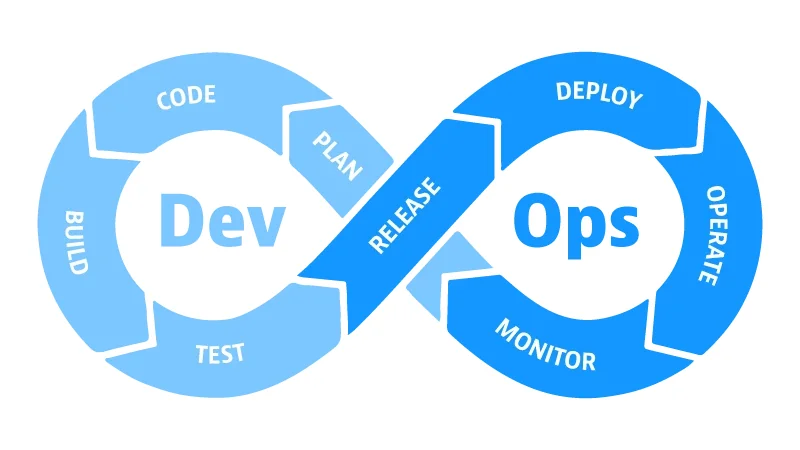
This section displays the DevOps Roadmap which one must follow to become a DevOps engineer. These experts are equipped with networking skills, basic Linux admin skills, scripting fundamentals and much more. Here are the important steps concluded in this roadmap.
When it comes to getting a good job after DevOps training, very few hiring managers actually look at the educational qualifications. However, that does mean you can skip this part altogether. A well-rounded education always comes in handy and here are a few fields you can choose from to qualify in -
A solid comprehension of Continuous Integration and Continuous Delivery is necessary. Continuous Integration involves code integration into a shared repository by developers to ensure efficiency. On the other hand, Continuous Delivery refers to the process of automating the release of validated code to make software releases easier.
These experts are frequently working with data transfer, connections and servers. This showcases the essence of networking. Many easily available online courses and training programs can assist in clarifying these concepts. Security must also be prioritized throughout all the stages of development, testing and deployment.
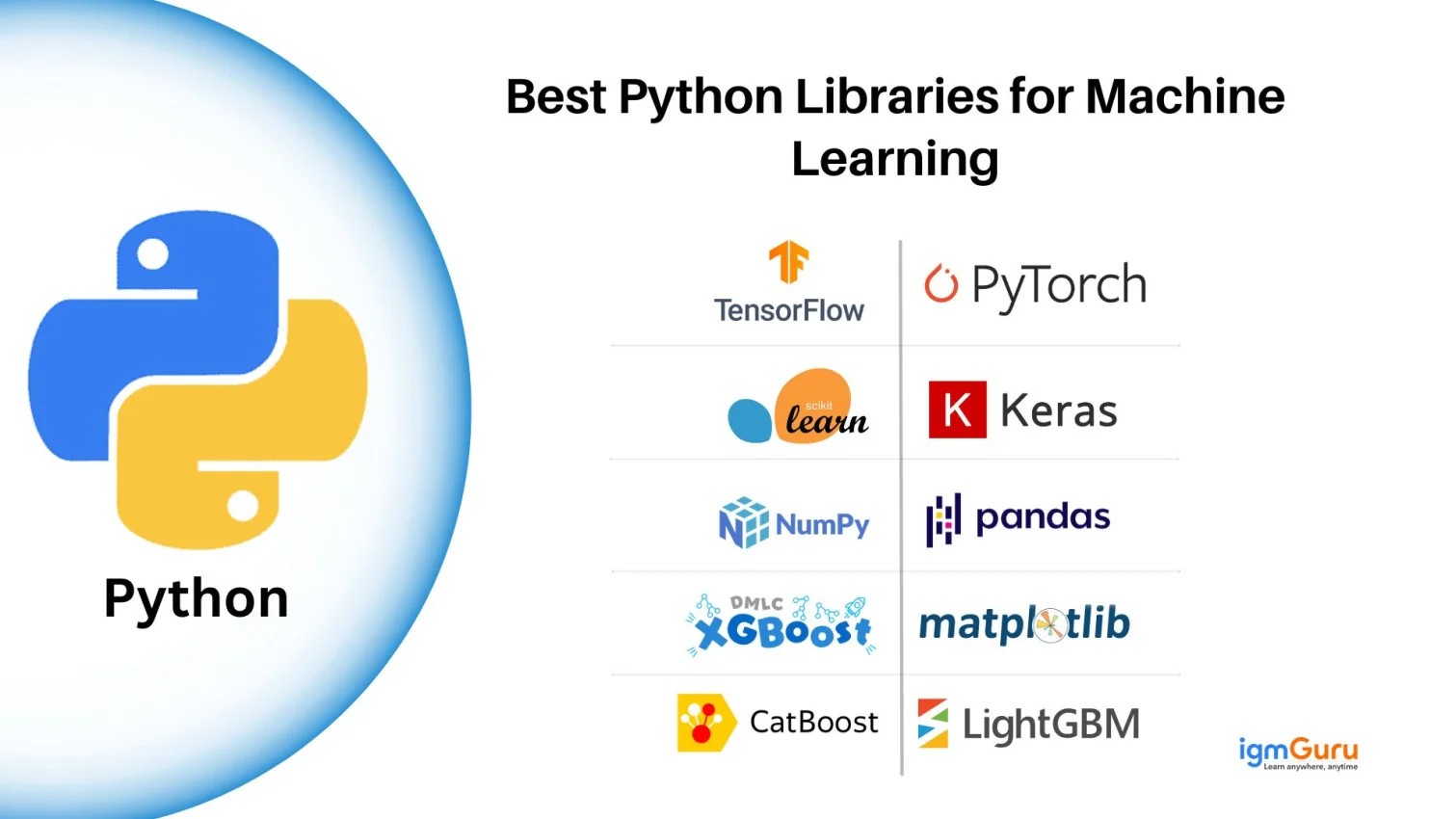
One must have sufficient knowledge of programming languages and coding. An adept professional knows everything from debugging the code to the deployment process. Familiarity with scripting or programming languages are crucial for an effective Continuous Integration/Continuous Delivery process. Languages including Ruby, Python and Perl are helpful to get into DevOps.
Automation is an integral part of the DevOps process. All the tasks from source code management to deployment must be automated. One must get their hands on DevOps tools like Puppet, Git, Ansible, Docker, and Chef. Going through feedback is as important to implement the changes and enhance the workflow. Splunk, Nagios are some relevant monitoring tools for DevOps engineers.
A strong understanding of operating systems such as Linux is pivotal for a career in DevOps. Linux is frequently utilized which makes it important to have a good grasp of it. One must also introduce themselves to OS concepts like memory and process management.
DevOps professionals must also have knowledge of Git and GitHub as many developers work on projects from multiple locations. They remain connected through a Version Control System. This is crucial for managing code changes. Popular tools include Git, GitHub, GitLab, and Bitbucket.
The knowledge of configuring and deploying software applications is crucial for these experts. Their role is to make sure that all the processes are running seamlessly. One must go through the entire process from configuration to deployment to get ahead. Automation of such tasks ensures accuracy; tools like Docker and Puppet are ideal for this.
The deployment process is simplified through Infrastructure as Code by utilizing configuration files to handle IT infrastructure. It allows a quick and efficient setup for the environment one requires. Tools like Terraform and Azure Resource Manager provide great assistance with this process.
There is nothing better you can do to get seen by hiring managers than get a certification. You can go for a DevOps certification course for the same. Here are some of the most popular certificates for DevOps -
Explore our detailed guide on DevOps certifications.
DevOps is not really a career for freshers. However, once you have at least 6-9 months of experience under your belt, you will be able to approach good companies to get work in this sector.
The best option is to start your career as an IT specialist or a software developer. Once you work in these fields and craft your resume as per DevOps skills, you will be able to switch smoothly.
Don't think companies will come to you to hire you. While it is possible, as a beginner, it is pretty difficult. The right approach is to apply to all relevant job openings at all good job portals.
Get yourself a solid resume, prepare well for your interviews, and get the job. But since it is not as easy as it sounds, it's best to get started as early as possible.
Becoming a DevOps Engineer is not rocket science. But yes, it will take a lot of patience, passion, and persistence. Anyone who is really willing to make a career in DevOps can learn the necessary skills and tools. There is a lot of scope for those who wish to be a part of the changing DevOps space. There are many job profiles to pick from and equally panned out certifications to help you unlock them all.
Explore These Trending Articles:
How to Become a Robotic Process Automation (RPA) Developer
5 Essential RPA Developer Skills You Need To Succeed
Ans. For a majority of DevOps interviews, you will have to clear a scripting/ coding round. So yes, it is important you have the right coding knowledge.
Ans. There is no single certification that can be said to be the best. There are many certifications in the market and each of them has their own benefits to offer. Do research around it depending on your future goals.
Ans. DevOps is neither a tool nor a technology. It is a practice wherein the engineer bridges the gap between the development and operations teams with the help of various tools.
Ans. No, DevOps tools can never replace DevOps professionals. However, these tools can definitely make it easier to learn and even help deliver projects faster.
Ans. There are five main types of DevOps teams.
Ans. You can start by learning DevOps by using tools like Docker, Kubernetes, and Jenkins, practicing CI/CD workflows, and gaining hands-on cloud experience.
Course Schedule
| Course Name | Batch Type | Details |
| DevOps Training | Every Weekdays | View Details |
| DevOps Training | Every Weekend | View Details |