Digital marketing interviews are not just about knowing definitions or tools. They are about how clearly you understand concepts, how practically you think and how confidently you explain your approach. Over the years, I have been on both sides of the interview table. I have appeared for digital marketing interviews and have also evaluated candidates for different roles. That experience gives me a clear view of what Digital Marketing Interview Questions can be asked by interviewers and what they expect to hear.
Many candidates struggle not because they lack knowledge but because they don’t know how to frame their answers. This article is written to solve that exact problem. It focuses on the most commonly asked digital marketing interview questions, explained in a simple and practical way, so you know what to say and how to say it.
This guide is structured into four sections: beginner, intermediate, experienced, and scenario-based digital marketing interview questions. Even if you are a fresher starting or someone preparing for a more advanced role. This article will help you in building clarity, confidence, and interview-ready answers.
If your goal is to prepare smartly and perform well in digital marketing interviews to clear all the rounds, this guide is created to support you at every stage. Let’s begin.
In this section, I have written some most commonly asked basic digital marketing interview questions. This section is for beginners and freshers.
This is usually the first question in a digital marketing interview, especially for freshers. In this interviewers ask it just to check whether you understand the basic concept.
Answer: Digital marketing is the process of promoting products or services using online platforms like search engines, social media, websites, email and mobile apps.
The main goal of digital marketing is to reach the right audience at the right time and encourage them to take action. Actions like visiting a website, signing up, or making a purchase. This is not like traditional marketing; digital marketing allows us to measure results in real time and optimize campaigns based on data.
Interviewers ask this to understand your interest and motivation. Whether you chose digital marketing intentionally or randomly. They want a logical and confident reason that shows long-term interest.
Answer: I chose digital marketing as a career because it combines creativity, data, and real business impact. I like the fact that digital marketing allows me to work on campaigns where results are measurable and I can see what is working and improve it.
Another reason is that digital marketing is constantly evolving. New platforms, tools, and strategies keep coming up, which makes the field dynamic and gives continuous learning opportunities for my career. This combination of growth, creativity, and analytics is what attracted me to digital marketing.
Interviewers ask this to check whether you understand the full digital marketing ecosystem. If you know that digital marketing is more than just social media or ads and how well you can organize information while speaking.
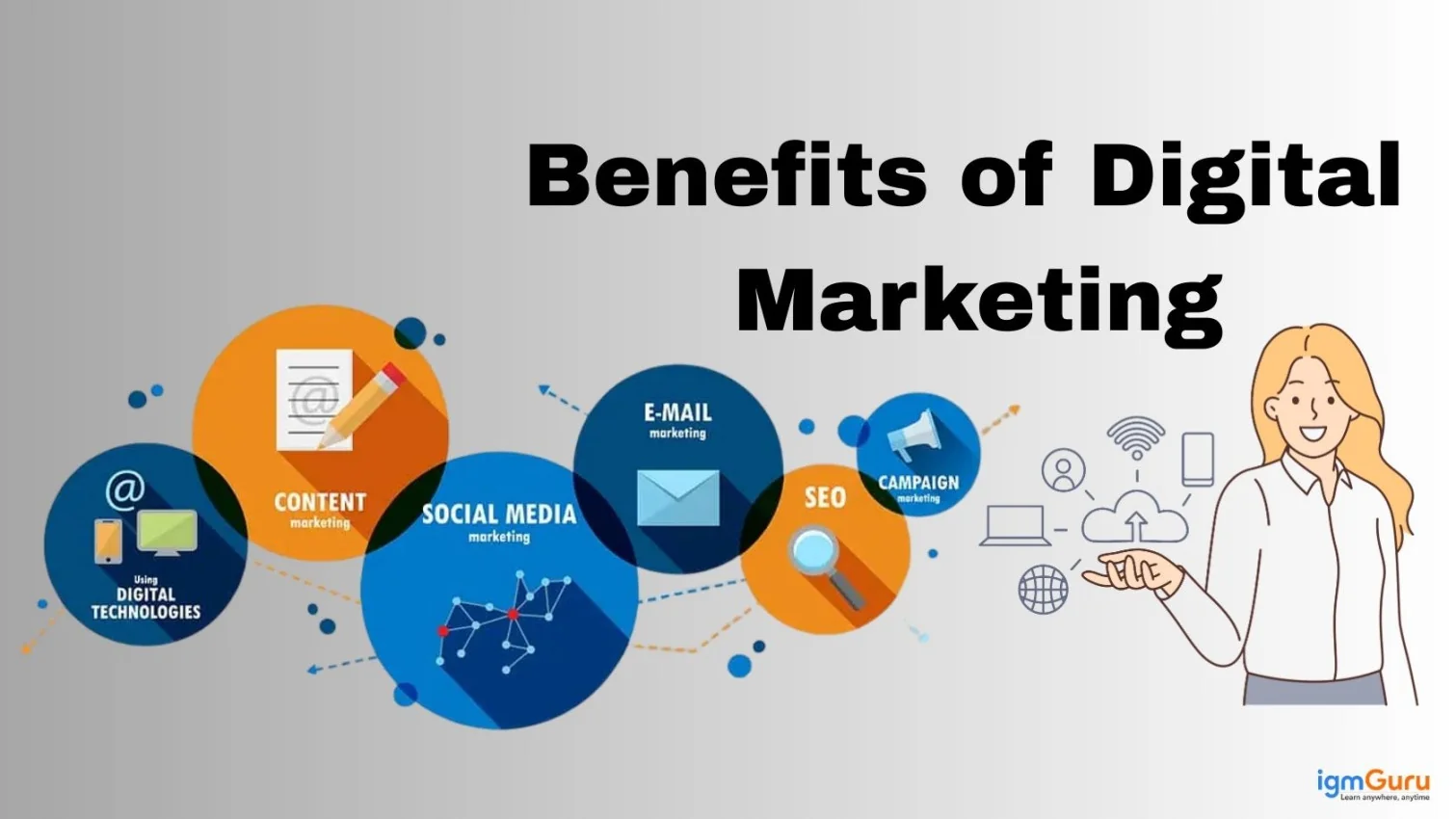
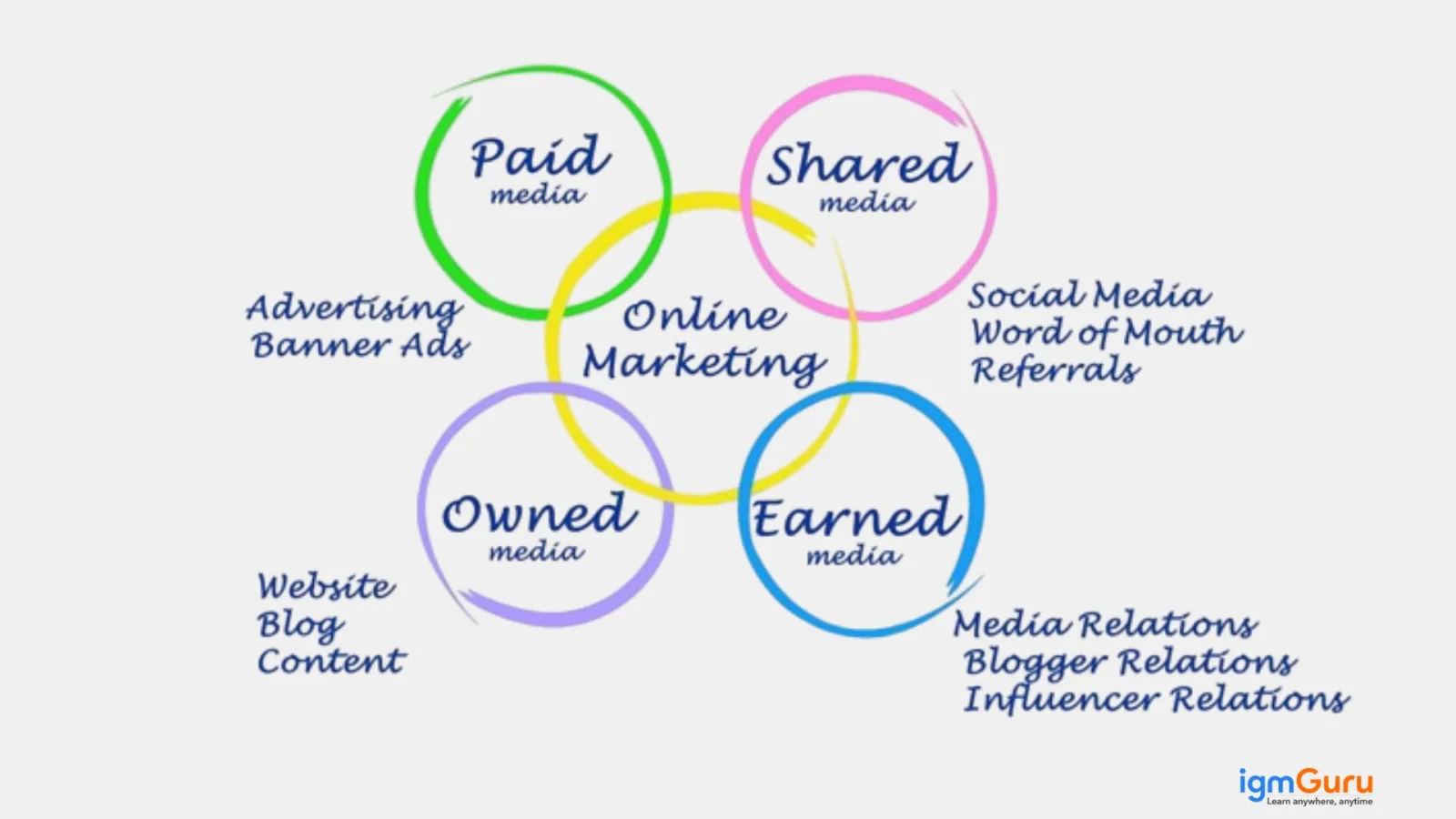
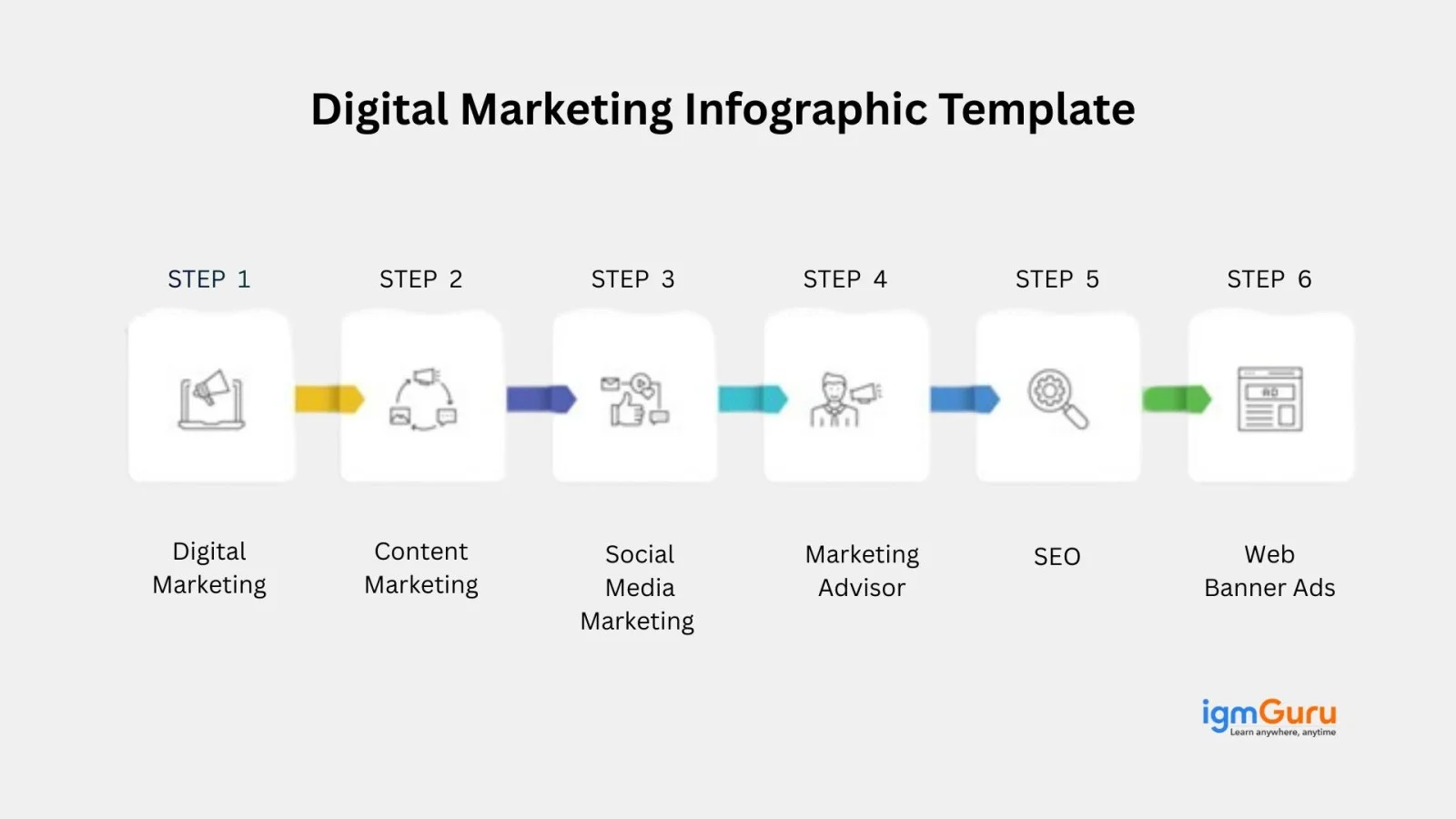
Answer: There are several types of digital marketing, each serving a different purpose in reaching and converting users. Together, these types work as part of an integrated digital marketing strategy.
1. Search Engine Optimization (SEO): It focuses on improving a website’s visibility in organic search results on search engines like Google.
2. Search Engine Marketing (SEM) or Paid Ads: This involves running paid advertisements on platforms like Google Ads to drive immediate traffic and leads.
3. Social Media Marketing (SMM): It includes promoting brands and engaging audiences on platforms like Instagram, Facebook, LinkedIn, and Twitter.
4. Content Marketing: This focuses on creating valuable content such as blogs, videos, and infographics to attract and educate users.
5. Email Marketing: It is used to nurture leads and maintain relationships through personalized email communication.
6. Affiliate and Influencer Marketing: This involves partnering with affiliates or influencers to promote products to their audience.
SEO is one of the most basic and expected concepts in digital marketing interviews. Interviewers want to see if you understand how keywords rank and how websites get traffic organically.
Answer: SEO, also known as Search Engine Optimization, involves optimizing content, website structure, and technical elements so search engines can easily understand and rank the website. It is the process of improving a website so that it ranks higher in organic search results on search engines like Google. The goal of SEO is to increase visibility, improve keyword position, attract relevant traffic, and improve user experience.
SEO involves optimizing content, website structure, and technical elements so search engines can easily understand and rank the website.
This checks whether you understand that SEO is not just about content or backlinks. It tests basic SEO structure clarity.
Answer: On-page SEO refers to optimizations done within the website, such as content quality, keyword usage, meta tags, headings, internal linking, and page structure. Off-page SEO refers to activities done outside the website to improve authority and trust such as backlinks, brand mentions, and external references.
On-page SEO helps search engines understand content, while off-page SEO helps build credibility and authority.
Read Also: How to Become a Digital Marketing Specialist
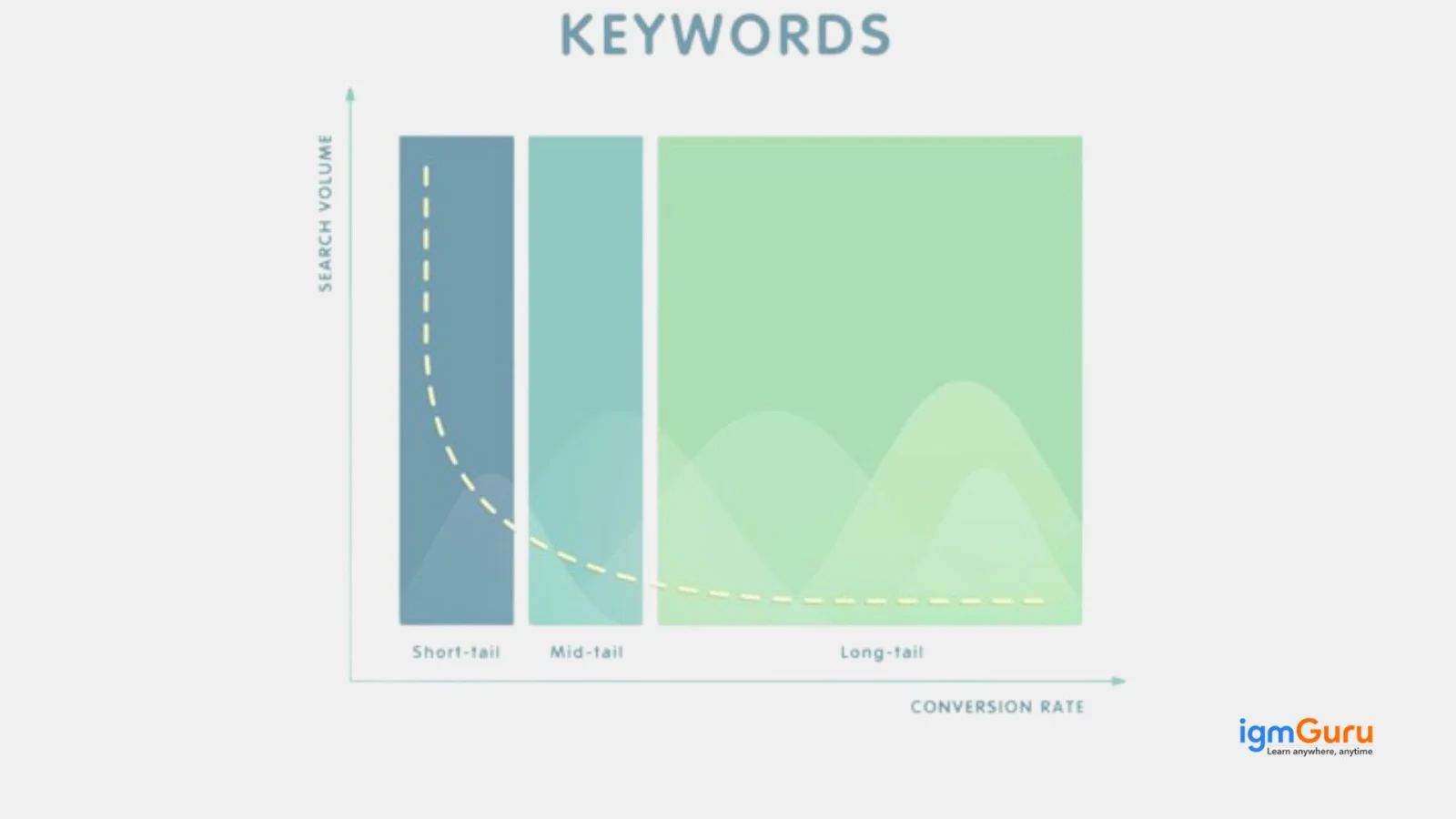
Interviewers ask this to check your understanding of basic SEO concepts. Long-tail keywords show that you think beyond just ranking and focus on relevant users.
Answer: Long-tail keywords are longer and more specific search phrases that users type into search engines. They usually have lower search volume compared to short keywords, but they attract more targeted traffic.
As long-tail keywords are more specific, they often have less competition and higher conversion rates. For instance, instead of targeting the keyword “Python,” a long-tail keyword would be “What is Python?”
Interviewers ask this to understand if you know what the role actually demands and if you have a realistic view of digital marketing
Answer: According to me, a digital marketer should have a mix of analytical thinking, creativity, and adaptability. Analytical skills are important to understand data, track performance, and make decisions based on results. Creativity helps in creating engaging content, ads, and campaigns that connect with the audience. A digital marketer should also be adaptable because platforms, algorithms, and trends change frequently.
In addition to this, basic communication skills and a willingness to keep learning are very important in digital marketing.
Social media is often the first channel beginners work with, so interviewers expect a clear understanding.
Answer: SMM is also known as Social Media Marketing. It is the process of promoting a brand, product, or service using social media platforms like Instagram, Facebook, LinkedIn, and Twitter. It involves creating content, engaging with users, running paid ads, and building brand awareness and relationships with the audience.
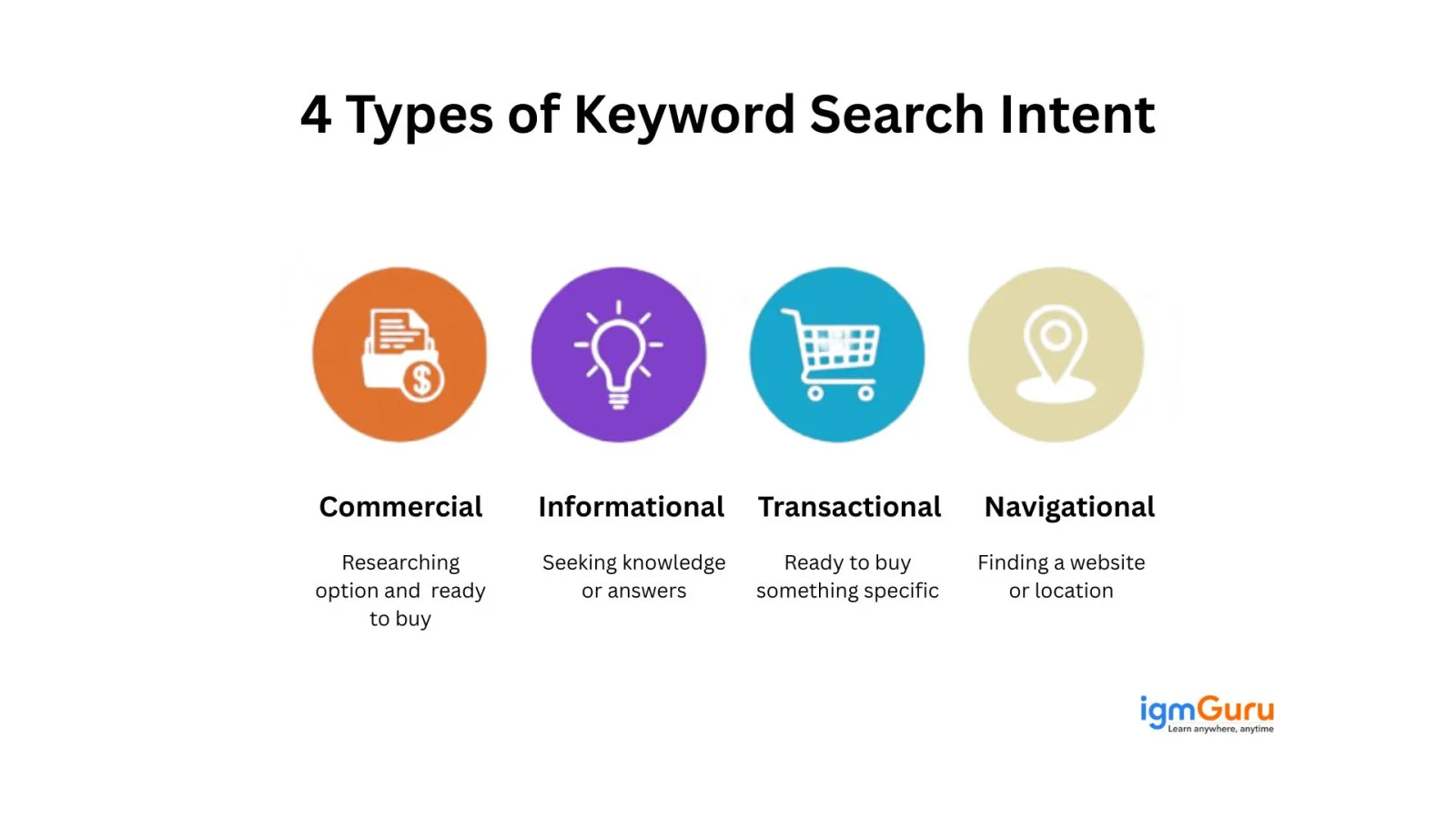
Interviewers ask this to check whether you understand how users search online and if you know how content, ads, and SEO connect through keywords. They also check if you think from a user intent perspective, not just from the rankings
Answer: Keywords are important in digital marketing because they connect what users search for with the content or ads we create. They help search engines in understanding what a webpage or advertisement is about and show it to the right audience.
Using the right keywords improves visibility in search results. It brings relevant traffic to a website and increases the chances of conversions. Keywords also help in planning content, running paid ads and understanding user intent.
Content marketing shows whether you understand long-term value creation, not just ads.
Answer: Content marketing is the strategy of creating and sharing valuable and relevant content to attract, educate, and engage a target audience. Rather than directly selling, content marketing focuses on building trust through blogs, videos, social posts, emails, and other formats, which eventually leads to conversions.
Interviewers very commonly ask this to check whether you understand paid advertising basics and if you know how businesses use Google to get traffic, leads or sales.
Answer: Google Ads was formerly known as Google AdWords. It is an online advertising platform by Google that allows businesses to show ads on Google Search, YouTube, and other partner websites. Advertisers pay when users click on their ads and this is known as the pay-per-click model.
Google Ads helps businesses reach people who are actively searching for related products or services. It also allows advertisers to control budgets, target specific audiences, and measure results like clicks, leads, and conversions.
Generally, interviewers ask these types of questions to understand whether you take self-learning seriously and if you are proactive or depend only on formal training
Answer: I keep up with digital marketing trends by regularly following industry blogs, newsletters, and updates from platforms like Google and Meta AI. I also learn by experimenting with tools, reading case studies and by observing how brands run their campaigns.
Along with this, I follow digital marketing communities and professionals on social media and try to apply new learnings through small projects or practice campaigns.
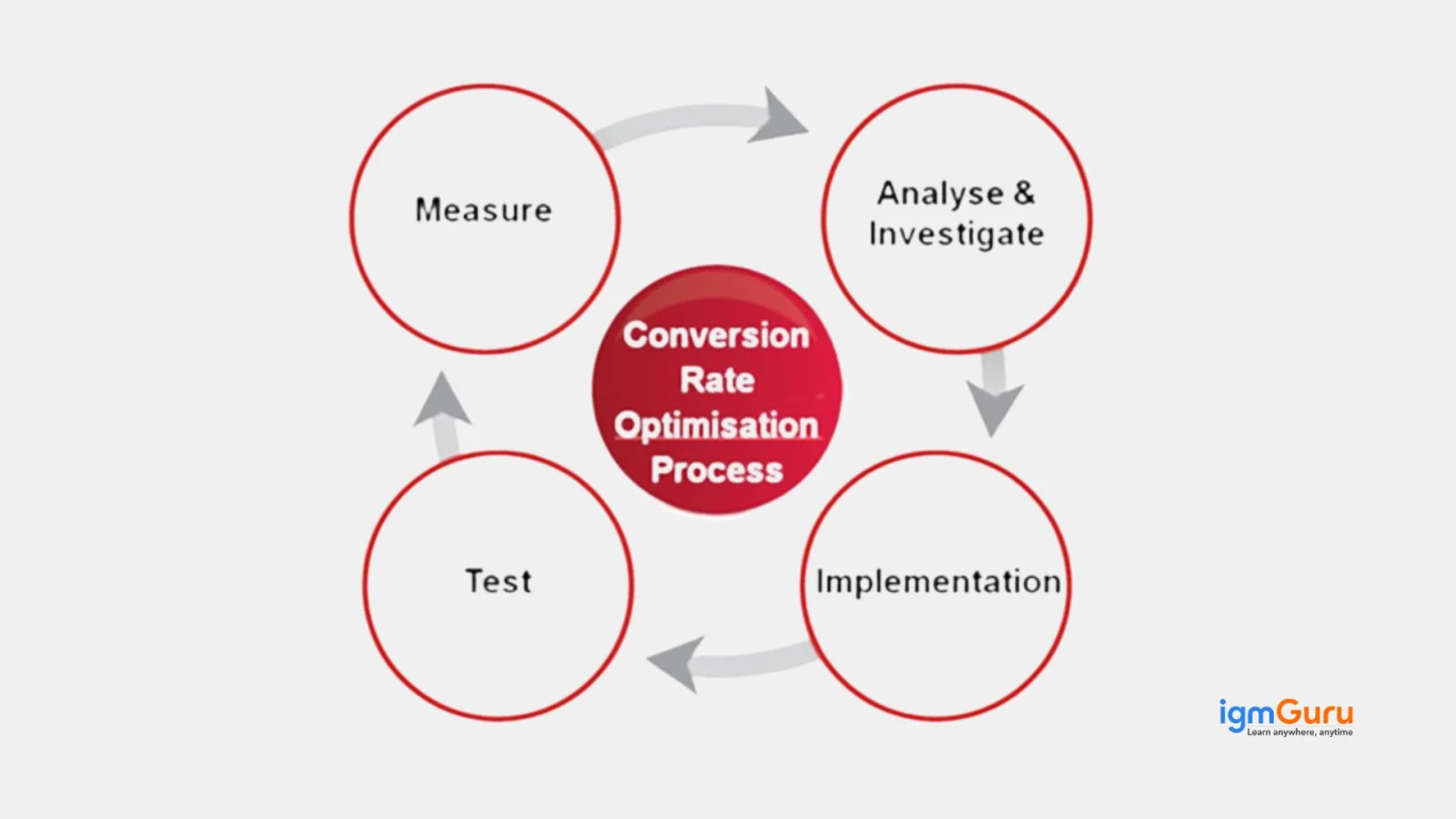
Interviewers ask this to check if you understand that traffic alone is not success and if you know how businesses improve results without increasing ad spend.
Answer: Conversion Rate Optimization or CRO is the process of improving a website or landing page so that a higher percentage of visitors take a desired action. Actions such as signing up, filling a form or making a purchase.
CRO focuses on making better use of existing traffic by improving elements like page layout, content, call-to-action, and user experience. The goal is to increase conversions by understanding user behavior and testing improvements.
GA4 is now the default analytics platform by Google, so interviewers expect even beginners to understand what it is and why it’s used. This question checks whether you understand performance tracking basics.
Answer: GA4 is also known as Google Analytics 4. It is a tool used to track and analyze user behavior on websites and apps. It helps understand how users interact with a website, where they come from, and what actions they take such as clicks, form submissions, or purchases.
In performance analysis, GA4 focuses on events and user engagement instead of just page views. It helps marketers measure traffic performance, user journeys, and conversions and this supports better decision-making and optimization.
This is asked by interviewers to know if you are aware of current industry challenges. If you think beyond tools and tactics and how well you understand the changing digital landscape.
Answer: One of the biggest challenges facing digital marketers today is reaching the right audience while maintaining data privacy and accuracy. Today, it has become harder to track users and get consistent results with frequent algorithm changes, increasing competition, and stricter privacy regulations.
At the same time, user attention spans are decreasing, so creating relevant and valuable content that stands out is also a major challenge. Digital marketers need to balance data, creativity, and user trust to succeed.
Also Explore: Digital Marketing Trends
In this section, I have written some most commonly asked intermediate-level digital marketing interview questions. This section is for those who have experience of 1-5 years.
At the intermediate level, interviewers want to see from this question whether you understand on-page SEO execution and if you know that keyword usage is not about stuffing but about placement and relevance. This question mainly is to check your real SEO basics.
Answer: To optimize website rankings, keywords should be placed in important on-page elements where search engines and users expect them.
Keywords should be used in the page title and meta description to improve visibility in search results. They should also appear in headings, especially the main heading, and naturally within the page content. Rather than this, keywords can be included in the URL structure, image alt text, and internal links. The key point is to use keywords naturally and focus on relevance rather than overusing them.
In this type of question, interviewers want to check if you understand the paid advertising model. Whether you know how PPC connects cost, clicks, and results. Here, they are not expecting you to answer like you have platform mastery. They just want to know that you have the concept clarity.
Answer: PPC advertising is also known as Pay-Per-Click advertising. It is a digital marketing model where advertisers pay only when someone clicks on their ad. It is mainly used to drive targeted traffic, leads, or sales through platforms like search engines and social media.
PPC allows advertisers to control budgets, target specific audiences, and measure performance. By using metrics such as clicks, cost per click and conversions. It is especially useful when businesses want quick visibility and immediate results.
This question is generally asked to know whether you have hands-on familiarity with common tools and whether you can work efficiently without depending on a single tool.
Answer: I use different tools based on the task. For SEO and performance tracking, I use tools like Google Analytics and Google Search Console. For paid campaigns, I work with platforms such as Google Ads and Meta Ads Manager. For keyword research and content planning, I use tools like Google Keyword Planner and SEO tools such as Ahrefs or SEMrush. I also use social media scheduling tools and basic design tools when needed to support campaigns.
In this they want to know if you have any practical exposure to Google Ads.
Answer: Google Ads extensions are additional pieces of information that can be added to ads to make them more useful and visible. Some commonly used Google Ads extensions include Sitelink extensions, Call extensions, Callout extensions, Structured snippet extensions and Location extensions. These extensions improve click-through rates and overall ad performance.
Interviewers ask this to check that you understand paid vs organic search. If you can clearly understand their differences. This question mainly tests conceptual clarity.
Answer: Search Engine Marketing is also known as SEM. It refers to promoting websites through paid advertisements on search engines. It mainly involves running paid search ads to gain quick visibility and traffic.
SEO is also known as Search Engine Optimization. It focuses on improving a website’s organic rankings through content optimization, technical improvements and backlinks. The main difference is that SEM gives faster results but requires continuous spending, while SEO takes time but delivers long-term organic traffic.
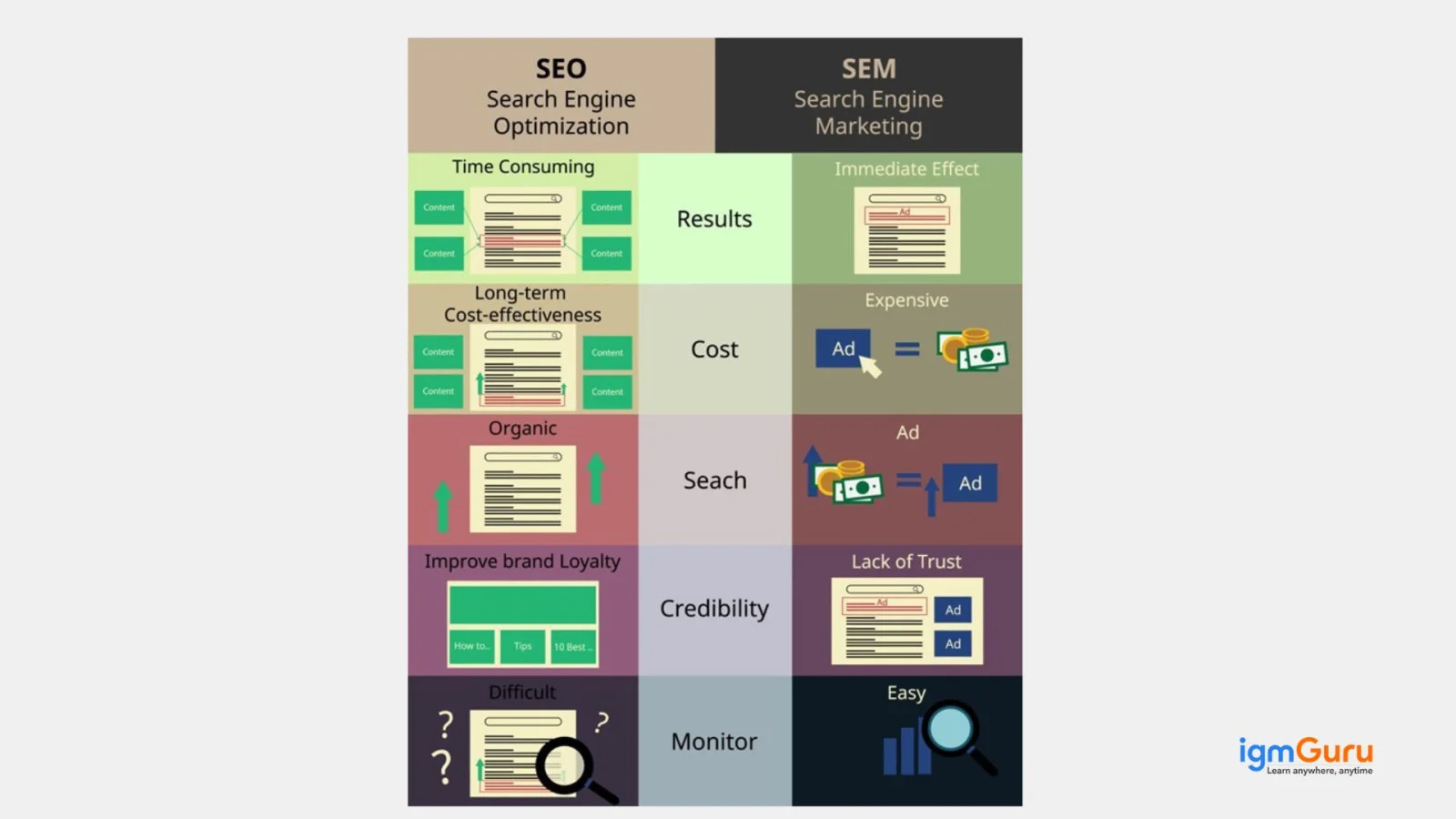
Interviewers ask this to understand whether you have a realistic view of digital marketing. If you are aware of challenges beyond tools and platforms.
Answer: Digital marketing has many advantages, but it also has some limitations. One major limitation is high competition, as many businesses target the same audience online. This increases advertising costs and makes organic ranking more difficult.
Another limitation is dependence on technology and platforms. Algorithm changes, policy updates, and technical issues can directly impact campaign performance. Data privacy regulations and reduced tracking also make accurate measurement more challenging.
Interviewers ask this to see if you understand the importance of user experience and you know how websites behave across different devices.
Answer: Responsive web design is an approach where a website automatically adjusts its layout, content, and elements to fit different screen sizes. The goal of responsive design is to provide a consistent and user-friendly experience across all devices. It is important for digital marketing because it improves usability, reduces bounce rates, supports mobile SEO and helps in increasing conversions.

This question is generally asked to see if you understand page speed and user experience and whether you know AMP’s current relevance.
Answer: AMP or Accelerated Mobile Pages was created to make mobile web pages load faster. Previously, it played a bigger role in improving page speed and mobile experience.
Today, AMP is not that mandatory for SEO. Google focuses more on overall page experience including speed, mobile friendliness and Core Web Vitals. AMP can still be useful for content-heavy websites like news platforms. Most businesses can achieve similar results with well-optimized responsive websites.
Interviewers ask this to check whether you understand who pays and who earns and how well you understand Google’s ad ecosystem.
Answer: Google AdWords is now known as Google Ads. It is an advertising platform used by businesses to promote their products or services by showing paid ads on Google Search, YouTube and other websites.
Google AdSense is used by website owners or publishers to earn money by displaying Google ads on their websites. Advertisers pay Google through Google Ads and publishers earn a share of that revenue through AdSense.
Interviewers ask this to understand whether you know how authority and trust work in SEO and if you understand ranking factors beyond on-page optimization.
Answer: Backlinks are links from other websites that point to your website. They are important in search engine optimization because search engines treat them as a signal of trust and authority. When a website receives backlinks from relevant and high-quality sources, it indicates that the content is valuable. This helps improve search engine rankings, increase referral traffic and build domain credibility. However, the quality and relevance of backlinks matter more than the number of links.
In this section, I have written some most commonly asked experienced level digital marketing interview questions. This section is for those who have experience of 5+ years.
At the experienced level, interviewers ask this to check whether you understand business impact and how well you understand measurement, targeting, and scalability.
Answer: Digital marketing is preferred over traditional marketing because it allows better targeting, measurable results and cost control. Businesses can reach specific audiences based on interests, location, and behavior. This is sometimes difficult in traditional marketing.
Another major advantage is real-time performance tracking. In digital marketing, campaigns can be optimized based on data while traditional marketing offers limited measurement and flexibility. Digital marketing is also more scalable. This makes it suitable for both small and large businesses.
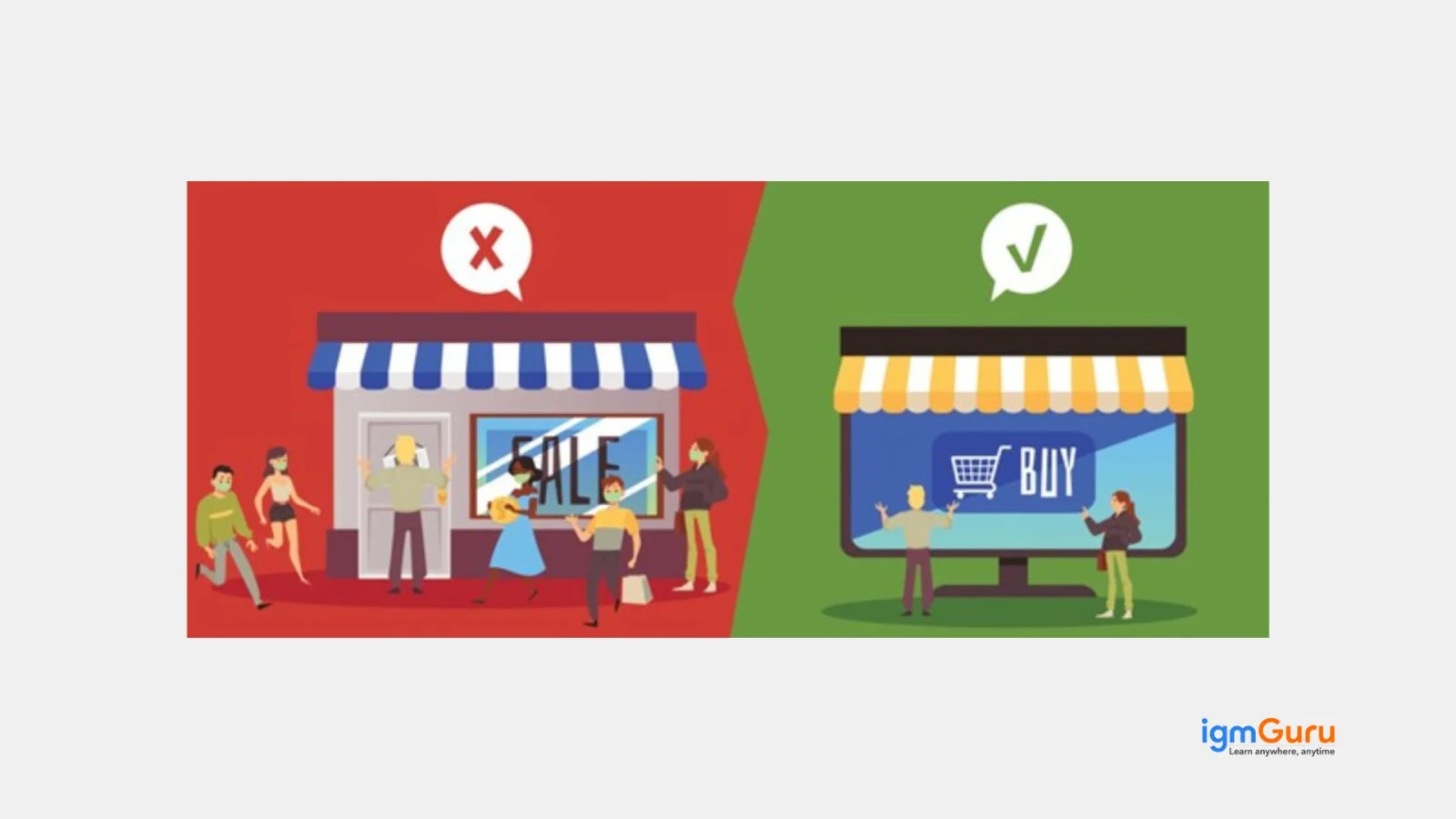
This question is asked by the interviewer to test your deep advertising knowledge.
Answer: The best PPC strategy starts with clear goals such as lead generation or sales and well-defined target audiences. Keyword research and audience segmentation should be aligned with user intent to ensure ads reach the right people.
Additionally, creating relevant ad copies, optimizing landing pages and continuously testing different variations is important. Regular monitoring of performance metrics like cost per click and conversion rate helps in optimizing campaigns and improving ROI over time.
This question is asked to check if you understand audience-based targeting.
Answer: RLSA stands for Remarketing Lists for Search Ads. It allows advertisers to customize search ads for users who have already visited their website or taken a specific action. When these users search again on Google, advertisers can adjust bids, show different ad messages, or target them more aggressively with RLSA. This works well because the audience is already familiar with the brand and it usually leads to higher conversion rates.
This question is asked to know how well you understand optimization in the real world.
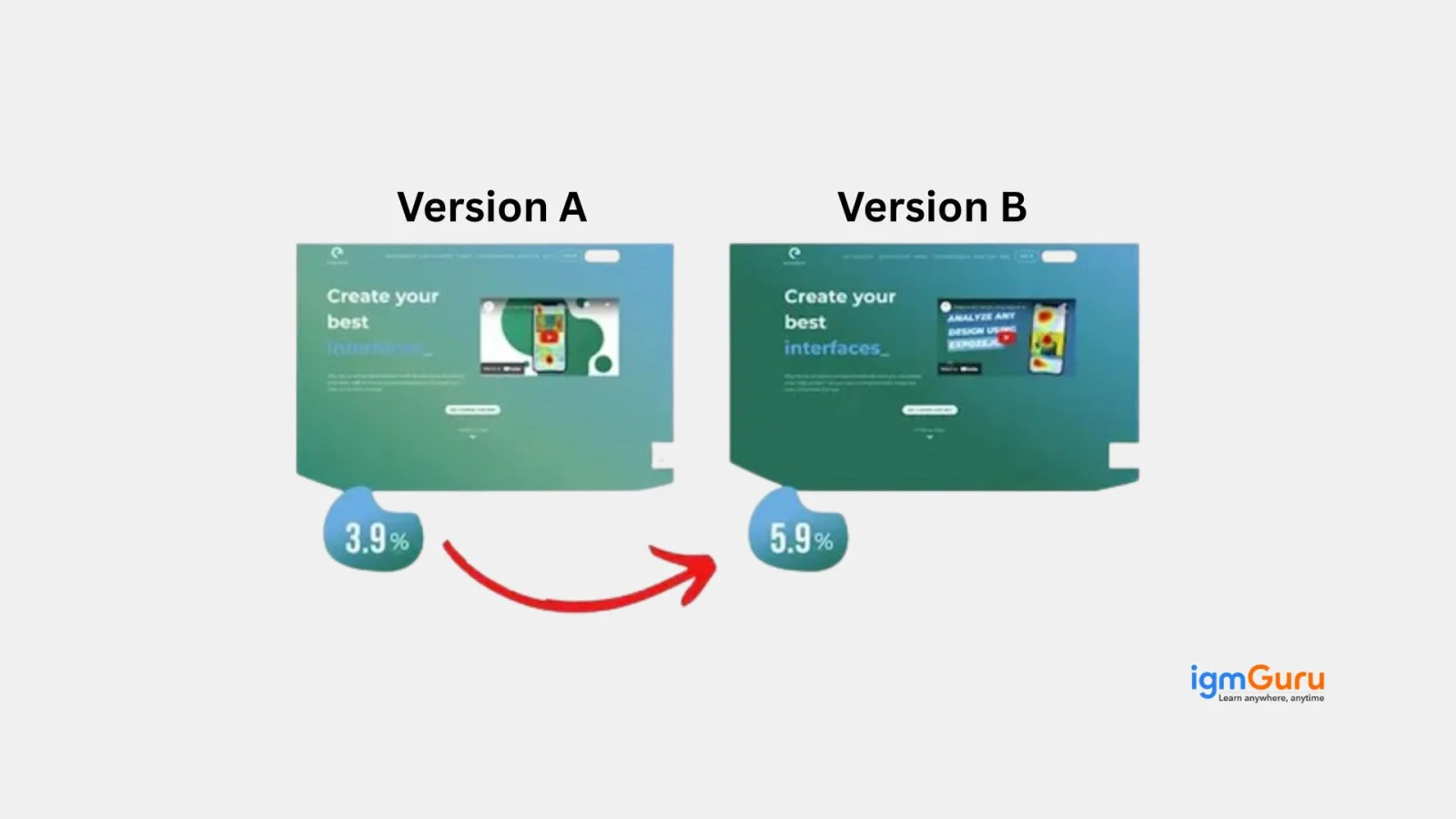
Answer: A/B testing is a method where two versions of a webpage, ad, or element are compared to see which one performs better. The traffic is split between version A and version B and performance is measured based on a specific goal such as clicks or conversions.
For instance, in a landing page A/B test. One version may have a Buy Now button and the other has a Get Started button. The version that generates more conversions is selected and used going forward.
Interviewers ask this to see if you understand end-to-end PPC optimization and whether you think beyond just launching ads. Additionally, they also want to know how structured your problem-solving approach is.
Answer: To make a PPC campaign more effective, I would start by reviewing campaign goals and targeting to ensure they match the business objective. I would refine keywords and audiences to focus on high-intent users and remove irrelevant traffic.
Next, I would improve ad copies to make them more relevant and test multiple variations. I would also analyze landing page performance to ensure it supports conversions. Finally, I would regularly monitor performance metrics and optimize bids, budgets, and creatives based on data.
This type of question is asked to know if you know how ads, landing pages and targeting work together.
Answer: To optimize PPC conversion rates, I would start by ensuring that targeting and keywords match high-intent users. The first step toward better conversions is sending the right audience to the campaign.
Next, I would improve ad relevance by aligning ad copy with user intent and the landing page message. I would also optimize landing pages by improving page speed, clarity of content, and call-to-action placement.
Finally, I would use A/B testing to test different ads and landing page elements and continuously analyze performance data to make improvements based on results.
Interviewers ask this to see if you understand how AI and machine learning are used in paid ads and whether you know when automation is useful and when it needs guidance.
Answer: Automated bidding strategies use machine learning to automatically adjust bids. It is based on the possibility of achieving a specific goal such as conversions, clicks or return on ad spend.
Rather than manually setting bids, the system analyzes signals like device, location, time, and user behavior in real time. Automated bidding works best when campaigns have clear goals and enough data, but it still requires monitoring and optimization to ensure performance stays aligned with business objectives.
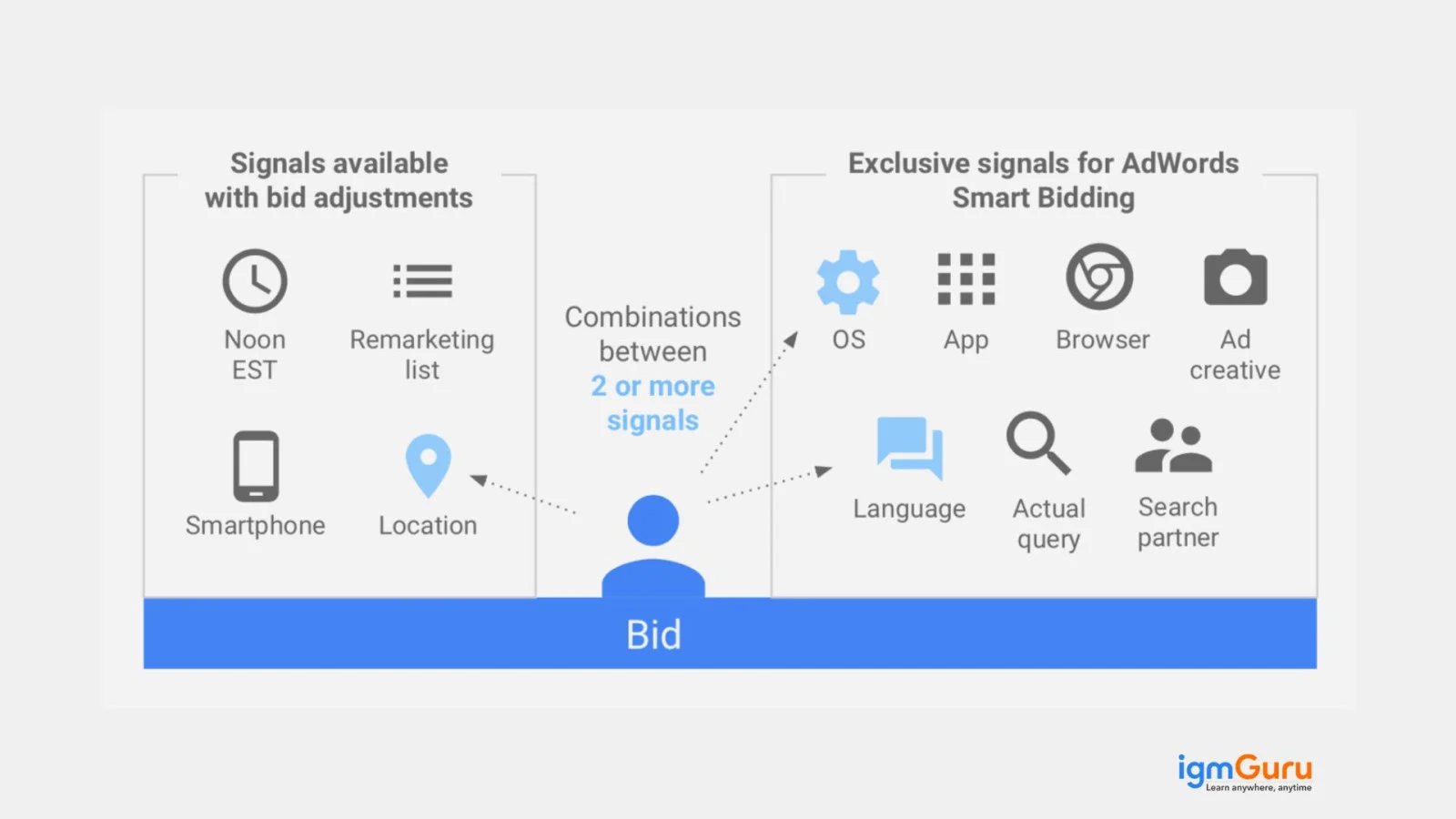
Interviewers ask this to understand whether you know what data signals guide automated decisions and how well you connect user behavior with performance outcomes.
Answer: AI-driven platforms use a combination of user behavior, context, and performance data to optimize campaigns. These signals include factors such as device type, location, time of day, browsing behavior, and past interactions with ads or websites.
The platforms also consider real-time signals like click patterns, conversion history, and engagement levels. This is to predict the possibility of achieving a campaign goal. AI systems adjust bids, targeting, and delivery to improve performance by analyzing these signals together.
Read Also: Top 45 Artificial Intelligence Interview Questions
Interviewers ask this to check whether you understand the balance between cost and quality. If you can optimize campaigns without chasing cheap leads and how well you think in terms of business outcomes.
Answer: To reduce Cost Per Lead without reducing the lead quality, I would first focus on improving targeting by narrowing audiences and using high-intent keywords. This helps attract users who are more likely to convert.
I would also optimize ad messaging and landing pages to clearly communicate value and filter out low-quality leads. Improving conversion rates through better user experience often reduces CPL naturally. Regular analysis of performance data helps identify what is generating quality leads and allows budgets to be shifted toward those areas.
Interviewers ask this to understand if you can look beyond platform dashboards and how well you connect marketing performance with overall revenue.
Answer: ROAS is also known as Return on Ad Spend. It measures the revenue generated from a specific advertising campaign compared to the amount spent on that campaign. It is mainly used to evaluate the performance of individual channels or campaigns.
MER is also known as the Marketing Efficiency Ratio. It measures total revenue generated compared to total marketing spend across all channels. It gives a broader view of how efficiently overall marketing investment is driving revenue.
ROAS is useful for optimizing campaigns and platforms, while MER is more useful for understanding overall marketing performance and business growth.
Related Article: Best AI Visibility Tools
In this section, I have written some of the most commonly asked scenario-based digital marketing interview questions. This section is for those who are experienced and going for higher-level positions like managers, specialists, Digital marketing analysts, etc.
These types of questions are to check that you panic or approach problems logically. If you understand how Google updates impact SEO and whether you know how to diagnose everything before fixing.
Answer: If website traffic drops after a Google algorithm update, the first step is to identify what type of update it was and which pages were affected. I would check Google Search Console to analyze changes in impressions, clicks, and keyword rankings and compare performance before and after the update.
Next, I would review the affected pages to see if the issue is related to content quality, technical SEO, or user experience. This includes checking content relevance, page speed, mobile usability, and Core Web Vitals. I would also analyze backlink quality to see if there are any toxic or low-quality links.
To recover traffic, I would focus on improving content quality, updating outdated pages, fixing technical issues, and aligning the content better with user intent. I know that recovery takes time, so continuous monitoring and gradual optimization are more important than making sudden changes.
Interviewers ask this to understand how you will handle unrealistic expectations. This question is as much about people skills as marketing.
Answer: First, I would understand the client’s goals and explain how digital marketing works in terms of timelines and learning phases. I would clearly communicate that while some channels like paid ads can start generating traffic quickly, consistent leads and sales usually take time to optimize.
I would then set realistic short-term and long-term expectations. By defining clear milestones, such as initial traffic, engagement, or early leads in the first phase. I would keep the client confident while building trust through honest communication by sharing a transparent plan, expected performance ranges and regular reporting.
Interviewers ask this to check whether you can simplify systems. They just want to know a practical approach.
Answer: I would start by identifying the core goals of the team. Then I will list what tasks actually need to be completed across SEO, ads, analytics, and social media. After that I would review each tool to see which ones are actively used, which provide overlapping features, and which directly support decision-making.
Now based on this analysis, I would keep tools that offer the most value and eliminate those that create duplication or confusion. I would also standardize reporting and workflows so everyone uses the same data sources. Finally, I would ensure the team is trained on the selected tools to improve adoption and efficiency.
Interviewers ask this to understand whether you know which metrics actually drive business outcomes. In this question, they are basically testing your judgment.
Answer: To identify the most important digital marketing metrics, I will start by understanding the business goal such as lead generation, sales, or brand awareness. Then based on the goal, I select metrics that directly reflect performance rather than surface-level numbers.
For instance, for lead generation, metrics like conversion rate, cost per lead, and lead quality matter more than impressions. For sales-driven campaigns, revenue, ROAS, and customer acquisition cost are more important. The focus is always on metrics that help in making decisions and improving outcomes.
Interviewers ask this to see how you respond when performance declines and whether you rely on creativity backed by data. They basically want a problem-solving mindset.
Answer:
Interviewers ask this to understand how you think when budget is a limitation and if you understand high-intent targeting and optimization. Here, they are judging on your choices.
Answer: With a limited budget, I would focus on high-intent audiences and channels that deliver measurable results. I would prioritize long-tail keywords, location-based targeting, and remarketing to reach users who are more likely to convert. I would also tightly control budgets, ad schedules, and placements to avoid wasted spend. I will also be going to improve landing page conversion rates and ad relevance because better conversion rates help in achieving more results from the same budget. I will ensure money is spent only on what performs best by doing continuous monitoring and quick optimization.
Interviewers ask this to understand whether you chase trends or evaluate them logically and how you align new platforms with brand goals. Here, they are testing your judgment.
Answer:
First, I will evaluate whether the brand’s target audience is active on the new platform or feature. If the audience is not present there, investing time and money may not deliver results.
Next, I will assess whether the platform supports the brand’s marketing objectives, such as awareness, engagement, leads, or sales.
After that, I will analyze the type of content the platform promotes and check if it matches the brand’s voice, content style, and available resources.
Then, instead of fully committing, test the feature on a small scale to measure engagement, reach, and early performance.
At last based on performance data, effort required, and potential value, decide whether to scale the effort or avoid the trend.
Interviewers ask this to understand how you manage client expectations. They’re testing people skills more than marketing theory.
Answer: I would explain to the client that viral posts are usually unpredictable and depend on timing, trends, and audience behavior, while planned digital marketing campaigns are designed to deliver consistent and measurable results.
I would clarify that campaigns focus is on reaching the right audience, driving leads or sales, and meeting business goals. It is not chasing sudden spikes in engagement. I would help the client understand the difference and maintain confidence in the strategy by setting clear KPIs and showing how the campaign contributes to long-term growth.
Interviewers ask this to understand how you handle pressure and workload and if you can maintain quality without burning out. They will basically try to test your reliability.
Answer: At the time of handling multiple campaigns, I would first prioritize tasks based on urgency and business impact. I will handle high-impact and time-sensitive tasks first, while lower-priority work would be scheduled or delegated if possible. I would break large tasks into smaller steps and use clear timelines to stay organized. Regular communication with stakeholders helps manage expectations and avoid last-minute pressure. I will try to focus on realistic planning, efficient workflows, and short breaks to maintain consistency, quality and avoid burnout.
In these types of questions, interviewers try to check how adaptive you are.
Answer: I will start by focusing on strengthening core digital marketing fundamentals such as strategy, user psychology, analytics, and business understanding. These skills help in making better decisions, even when using AI tools. At the same time, I will start to learn how to use AI tools effectively to improve efficiency such as for data analysis, content ideas, and automation. I can stay relevant and add real value by combining human creativity, critical thinking and AI support.
In this section, I have written some most commonly asked Content Marketing interview questions in digital marketing. This section is mainly for those who are going for job positions like content writing, email marketing, social media management, etc. where content plays a major role.
Interviewers ask these types of questions to check whether you understand how brands attract customers organically and build trust without relying only on paid ads.
Answer: Content marketing is important because it helps businesses attract the right audience with the help of valuable content like blogs, videos, and social posts. It builds customer trust, improves SEO rankings, increases organic traffic and supports lead generation. Strong content also improves conversion rates because customers feel informed before buying.
This question checks if you understand about content distribution. Creating content is not enough. Promotion decides its reach and performance.
Answer: Once the content is published online, I promote it through social media marketing, email marketing, and SEO optimization. I also repurpose the content into short videos, carousels, and infographics for better reach. Additionally, I use internal linking and if needed, run paid promotion to increase traffic quickly.
Interviewers want to know if you understand how content marketing supports engagement, brand awareness, and customer acquisition.
Answer: Yes, I agree with this statement. Content marketing attracts users by solving their problems and answering their questions. It results in increased engagement and trust. When content is optimized for search intent and shared consistently, it builds organic traffic, generates leads, and converts audiences into customers over time.
Email newsletters are a major part of lead generation, retention marketing, and conversion strategy, so interviewers generally ask these kinds of questions.
Answer: Email newsletters help businesses stay connected with their audience by sharing updates, valuable content, offers and product information. They are useful for lead nurturing because they keep users engaged until they are ready to purchase. Email marketing also improves customer retention and supports repeat sales at a low cost.
This checks your understanding of Google Ads structure, keyword grouping, and improving Quality Score.
Answer: Ideally, an ad group should include a small set of closely related keywords. It is usually around 5 to 20. This helps in keeping ads highly relevant to search queries, improves click-through rate, and increases Quality Score. Better keyword grouping also improves conversion rates and reduces cost per click.
In this section, I have written some of the most commonly asked SEO interview questions in digital marketing. This section is mainly for those who are going for job positions like SEO Specialist, SEO Content Writer, Link Prospector, SEO Analyst, SEO Strategist and many more, where SEO plays a major role.
Interviewers ask this to check whether you understand how SEO helps websites get organic traffic and long-term growth without depending only on paid ads.
Answer: SEO is very important because it helps a website rank higher on Google and attract organic traffic from relevant search queries. It helps in improving online visibility, builds trust, increases website traffic and supports lead generation and sales in the long run.
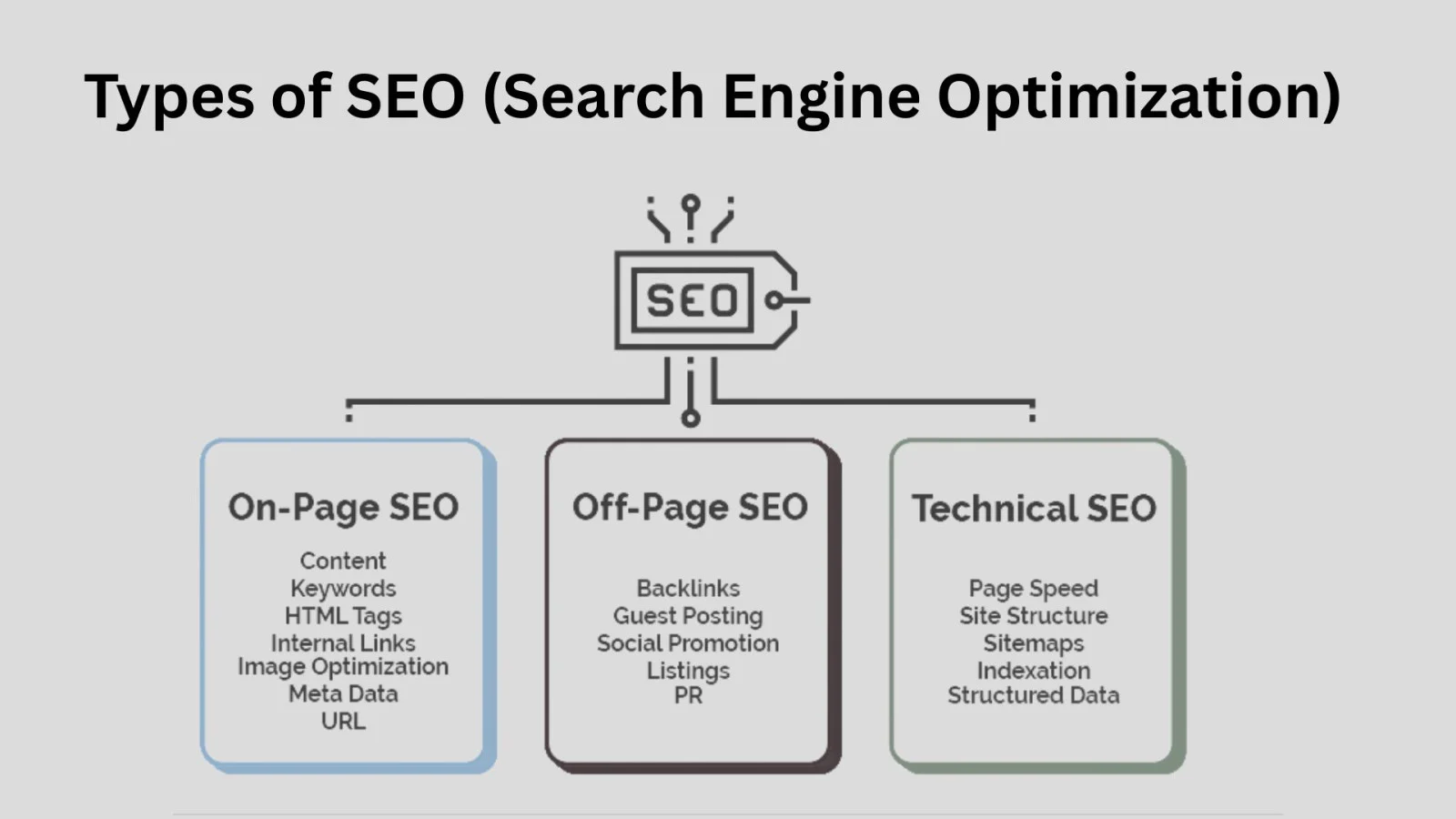
This type of question is to check whether you understand the main SEO categories and how SEO is not limited to just keywords.
Answer: The main types of SEO are On-Page SEO, Off-Page SEO and Technical SEO. On-page SEO focuses on content and keyword optimization, off-page SEO focuses on backlinks and authority and technical SEO focuses on website performance, indexing, and crawlability.
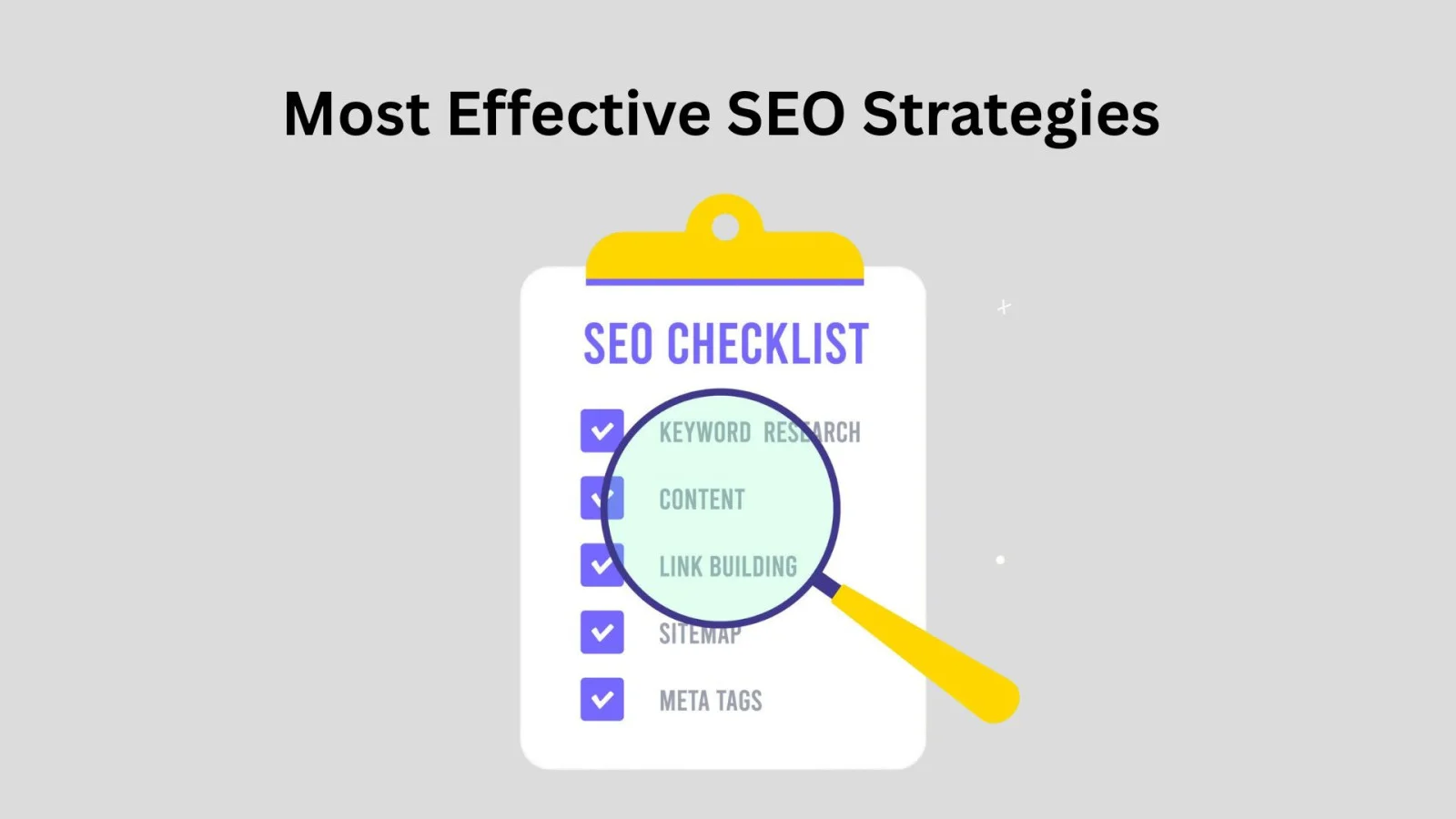
Interviewers ask this to understand if you know about practical SEO techniques that actually improve Google rankings and drive traffic.
Answer: The most effective SEO strategies include keyword research, creating high-quality content, optimizing on-page SEO elements, building relevant backlinks, and improving website speed. I personally also use internal linking and targeting long-tail keywords. It helps me increase organic traffic consistently.
This question checks whether you understand about the backend factors that impact website ranking and user experience.
Answer: Technical SEO is the process of optimizing a website’s technical structure. Therefore, search engines can crawl and index it properly. It includes improving site speed, mobile friendliness, Core Web Vitals, HTTPS security, URL structure, and fixing crawl errors.
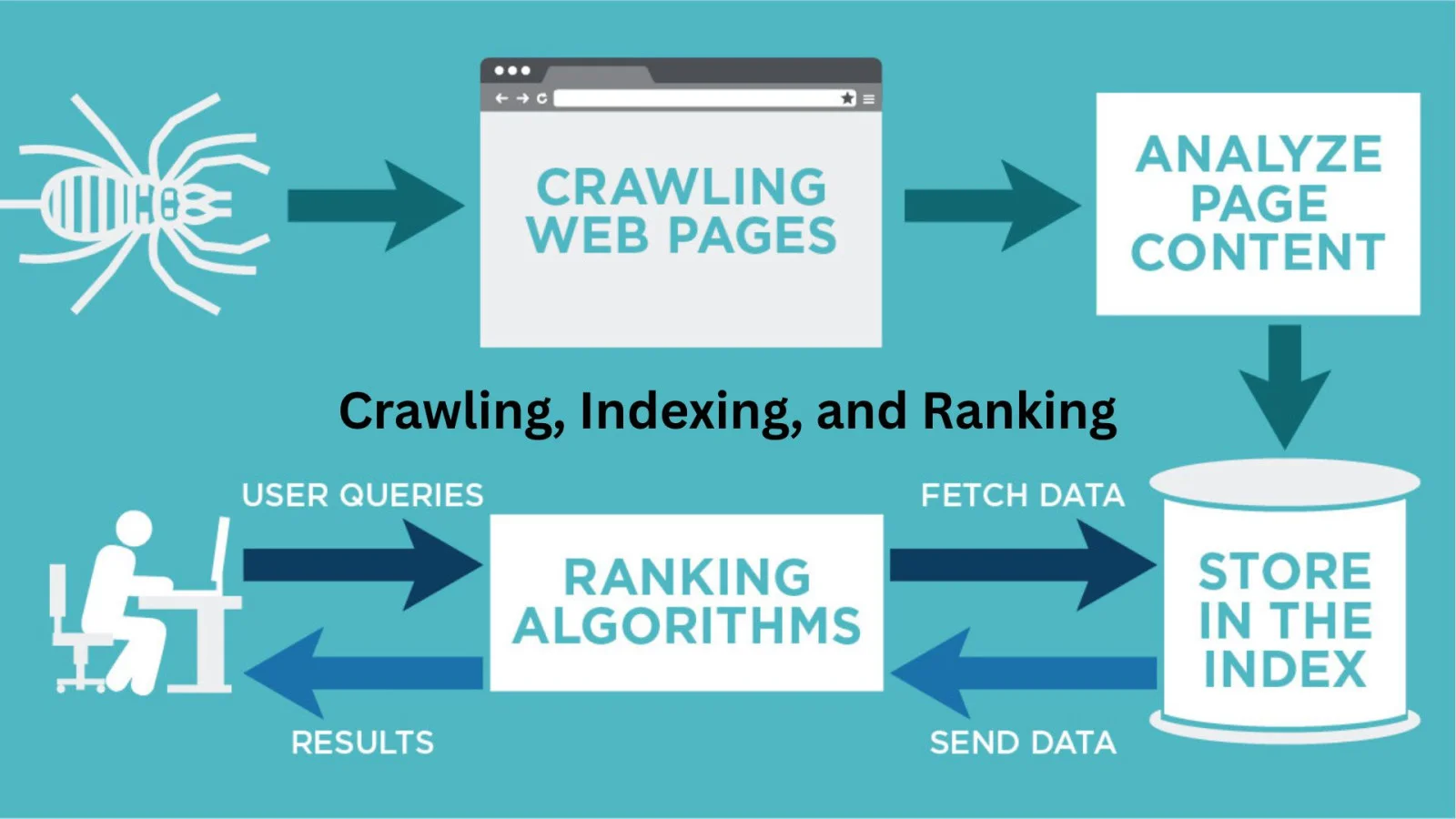
This is a very common SEO interview question because it explains how Google Search works from start to finish.
Answer: Crawling is when Google bots discover and scan web pages. Indexing is when Google stores and organizes those pages in its database. Ranking is the process of showing the best pages at the top of search results based on relevance, content quality, and SEO signals.
Also Explore: Best SEO Tools
In this section, I have written some of the most commonly asked SMM interview questions in digital marketing. This section is mainly for those who are going for job positions like Social Media Manager, Social Media Executive, Social Media Strategist, Content Creator and similar roles where social media plays a major role.
Interviewers ask this to check whether you understand the role of social media in brand growth and customer engagement.
Answer: SMM (Social Media Marketing) is the process of promoting a brand, product, or service using social media platforms like Instagram, Facebook, LinkedIn, Twitter, and YouTube. It includes creating content, running paid advertisements, engaging with users, and building brand awareness. SMM helps businesses connect directly with their audience, improve engagement, generate leads, and increase sales through both organic and paid strategies.
This question checks whether you understand how social media supports brand visibility, customer communication, and business growth.
Answer: Social media is important in digital marketing because it helps businesses reach a large audience quickly and build direct relationships with customers. Platforms like Instagram, LinkedIn, and Facebook allow brands to share content, promote products, and engage with users in real time.
Social media also supports brand awareness, website traffic, lead generation, and customer retention. It additionally provides useful audience insights that help businesses improve their marketing strategies.
Interviewers ask this to understand whether you choose platforms strategically or simply try to be active everywhere.
Answer: I prioritize social media channels based on the brand’s target audience, business goals, and content type. First, I identify where the target audience is most active. For instance, LinkedIn works better for B2B brands while Instagram and TikTok are more suitable for visual and younger audiences.
After that, I evaluate which platforms support the brand’s objectives such as awareness, engagement, leads, or sales. I also consider the type of content the brand can consistently create and manage effectively before prioritizing channels.
Video content has become one of the most important parts of social media marketing, so interviewers want to know how you plan content that keeps users engaged.
Answer: My approach to video creative strategy starts with understanding the target audience and the main goal of the campaign. After that, I focus on creating short, engaging, and platform-specific videos that capture attention quickly. I also ensure the first few seconds are strong because user attention spans are short on social media. Additionally, I test different formats, hooks, captions, and calls-to-action to understand what drives the best engagement and conversions.
Interviewers ask this to understand whether you know how to combine targeting, creatives, and optimization to achieve measurable business results through YouTube Ads.
Answer: To structure a YouTube Ads strategy for conversions, I would first define the campaign goal and target audience. After that, I would create audience segments based on interests, search behavior, demographics, and remarketing data.
Next, I would create engaging video ads with a clear message and a strong call-to-action in the beginning because many users skip ads quickly. I would also optimize landing pages to improve conversions after users click the ad. Finally, I would continuously monitor metrics like view rate, click-through rate, conversion rate, and cost per conversion to optimize targeting, creatives, and bidding strategies for better performance.
Marketing analytics plays a major role in modern digital marketing. Companies expect professionals to make decisions based on data rather than assumptions. The following interview questions focus on forecasting, campaign optimization, customer acquisition, and performance measurement using analytics tools.
Interviewers ask this to understand whether you make marketing decisions based on data rather than assumptions. They want to know if you can predict future performance using historical trends and business goals.
Answer: I forecast marketing performance by first analyzing historical campaign data such as traffic, conversion rate, click-through rate, customer acquisition cost (CAC), and return on ad spend (ROAS). I also consider seasonality, market trends, and upcoming business activities that may influence performance.
Next, I create realistic projections based on previous results and expected budget allocation. I continuously compare actual performance with forecasts and adjust campaigns whenever there is a significant gap. This helps improve planning, optimize spending, and achieve business goals more accurately.
Interviewers ask this to check whether you understand that successful email marketing depends on continuous testing and optimization rather than simply sending emails.
Answer: I optimize email marketing performance by first analyzing key metrics such as open rate, click-through rate, conversion rate, bounce rate, and unsubscribe rate. These metrics help identify where users lose interest during the email journey.
After that, I improve subject lines, email content, call-to-action placement, and sending time through A/B testing. I also segment the audience based on user behavior and personalize email campaigns whenever possible. Continuous testing and performance analysis help improve engagement and increase conversions over time.
This question checks whether you know how to use Google Analytics 4 to measure user behavior and make data-driven marketing decisions.
Answer: I use GA4 to understand how users interact with a website by analyzing events, user engagement, traffic sources, and conversion paths. I first review acquisition reports to identify which marketing channels are driving quality traffic.
Next, I analyze engagement metrics such as engagement time, events, conversions, and user journeys to understand where users drop off or complete important actions. Based on these insights, I optimize campaigns, landing pages, and content to improve overall marketing performance.
Interviewers ask this to understand whether you know how to evaluate branding campaigns beyond direct sales and conversions.
Answer: I measure brand awareness by tracking metrics that indicate how many people are discovering and engaging with the brand. These include website traffic, branded search volume, social media reach, impressions, engagement rate, and direct traffic.
I also analyze trends over time using tools like Google Analytics, Google Search Console, and social media analytics platforms. If brand-related searches, direct visits, and audience engagement consistently increase, it indicates that brand awareness campaigns are performing effectively.
Interviewers ask this to understand whether you can estimate customer acquisition costs before investing marketing budgets and manage risk effectively.
Answer: To forecast Customer Acquisition Cost (CAC) for a new marketing channel, I first study similar campaigns, industry benchmarks, audience size, expected conversion rates, and advertising costs. Since historical data may not be available, I create assumptions based on comparable channels and business objectives.
I then launch a small pilot campaign to collect actual performance data. After analyzing metrics like cost per click, conversion rate, and lead quality, I refine the CAC estimate and adjust budget allocation accordingly. This approach reduces uncertainty and helps make better investment decisions.
Digital marketing interviews test more than your knowledge. They test a lot of things like clarity, practical thinking, and the ability to explain ideas. This guide was created to help you prepare for the way interviews actually happen. It covered real questions asked to beginners, intermediates, experienced and in scenario-based rounds.
If you understand the concepts explained here and practice framing your answers in a simple and structured way, you will be able to handle interviews with confidence, no matter your experience level. From my experience, you just need to focus on clarity over memorization and real understanding.
Digital marketing interviews are not hard for freshers if the basic concepts are clear. Interviewers mainly check understanding, interest, and how confidently you explain ideas. They do not check deep technical expertise.
You can start by understanding core concepts like SEO, PPC, social media, and analytics. Try practising explaining answers in simple words and focus on real-world examples instead of memorizing definitions.
Interviewers generally look for analytical thinking, creativity, communication skills, and willingness to learn. They also focus on practical thinking and clarity over knowing many tools.
Having a basic technical understanding is helpful, but deep technical knowledge is not mandatory. Interviewers mainly expect conceptual clarity, problem-solving ability, and understanding of how digital marketing works.
Explore Our Trending Articles-
| Course Name | Batch Type | Details |
| Digital Marketing Training | Every Weekday | View Details |
| Digital Marketing Training | Every Weekend | View Details |