Digital marketing is the core practice through which brands increase their visibility online. This helps them to get traffic that can be converted into genuine leads. In 2026, it is evolving faster than ever before. Artificial intelligence, privacy regulations, automation tools and changing search behavior have completely reshaped how brands connect with customers.
Everything you were doing in 2023 or 2024 is now completely upgraded. The digital marketing trends are now focusing more on AI-driven personalization, privacy-first strategies, short-form video dominance, authority-based SEO, and Generative Engine Optimization (GEO). As AI-powered search platforms such as ChatGPT, Google AI Mode, Gemini, Claude, and Perplexity become increasingly popular, businesses must optimize their content not only for traditional search engines but also for AI-generated answers. The businesses that haven't understood this change are losing visibility, traffic and conversions in an increasingly competitive online ecosystem.
Therefore, they are searching for experts who can help them adapt to these changes. Are you one of them? This article explains the most important digital marketing trends for 2026 along with practical predictions that will help you become one of them. This will make you able to help businesses, marketers and agencies stay ahead of the curve.
Read Also: What Is a Web Crawler?
Digital marketing trends are the current best practices you can use to attract, engage and convert customers online. They improve your brand’s visibility and trust to gain more and more customers. They reflect long-term shifts in consumer behavior, platform algorithms, automation tools and data privacy regulations.
In 2026, it is driven by AI-powered hyper-personalization, Generative Engine Optimization (GEO) and immersive, short-form video content. The key trends include using social commerce, privacy-focused data strategies, predictive analytics, AI for authentic content, and more. Let’s dive deeper to have a better understanding.
Unlike traditional SEO, which primarily focuses on improving rankings in search engine results pages, GEO helps content become discoverable within AI-generated responses. Businesses that combine SEO with GEO are more likely to gain visibility across both conventional search engines and AI assistants, increasing brand authority and organic reach.
Artificial intelligence is no longer just a competitive advantage, it has become the foundation of digital marketing strategies. AI tools are helping marketers in content marketing, content creation, predictive analytics, automate processes, analyze massive datasets and deliver personalized experiences at scale.
There are also AI-driven platforms that help to improve campaign performance by analyzing user behavior, predicting buying intent and optimizing content in real time. This means the marketer does not have to depend on manual optimization. They can now rely on machine learning algorithms to improve ROI and reduce wasted ad spend.
AI is also transforming how people discover brands online. Instead of only browsing search results, users are increasingly asking AI assistants for recommendations and answers. Creating accurate, experience-driven and well-structured content improves the chances of being referenced by these AI systems, making GEO an important part of modern digital marketing.
If you have not integrated AI into your marketing stack you may struggle to compete with AI-optimized competitors. The reason is simple. Your competitors will dominant you you in the following areas:
Amazon uses AI-driven recommendation engines to personalize product suggestions for each user. Its machine learning models analyze browsing behavior, purchase history and search intent in real time. Personalized recommendations are estimated to drive a significant percentage of Amazon’s total revenue. AI improves conversion rates and increases average order value.
Expert Prediction for 2026: More than 80% of marketing campaigns will be AI-assisted, whether in content production, ad targeting, or performance analysis.
Performance marketing is a digital strategy where advertisers only pay when a specific criteria of result is fulfilled. These criteria are measurable actions like a click, lead, sale or app install is completed.its result driven approach makes it one of the best practices you can use in 2026.
It is now following stricter privacy regulations and the nearly zero third-party cookies. This is why marketers can really depend more on first-party data and AI-based attribution models. You can also optimize campaigns in real time using automated bidding and predictive algorithms. They just have to move their budget allocation toward platforms that deliver measurable ROI and advanced analytics.
Airbnb uses performance marketing across Google and Meta platforms, using AI-based bidding strategies and predictive attribution models to optimize customer acquisition. Airbnb reduced wasted ad spend and improved ROI by focusing on data-driven campaign optimization instead of broad brand-only advertising.
Expert Prediction for 2026: Performance marketing budgets will increase significantly, but only brands using advanced analytics and AI optimization will see sustainable returns.
The search engines are evolving beyond traditional keyword-based ranking systems. They are now integrated with AI and are providing direct answers without clicking on multiple websites. You can see an example as Google’s AI Mode or Overview. This shift is transforming SEO strategies.
Alongside Generative Engine Optimization, marketers are also adopting Answer Engine Optimization (AEO). While GEO focuses on improving visibility in AI-generated responses from platforms like ChatGPT, Gemini, and Google AI Mode, AEO helps content appear as direct answers in search engines, voice assistants, and AI-powered search experiences. In 2026, businesses should optimize content for both GEO and AEO by using clear headings, structured data, concise answers, FAQs, and authoritative information that AI systems can easily understand and cite.
This means ranking alone can not guarantee traffic. You must optimize your brand for search visibility, entity authority and structured content that AI systems can easily interpret and reference. The focus will move from “ranking #1” to become a trusted source that AI systems cite and summarize.
To improve Generative Engine Optimization (GEO), marketers should create comprehensive content, answer user questions clearly, implement structured data, build topical authority, cite reliable sources and maintain factual accuracy. These practices increase the likelihood that AI platforms will reference and recommend your content when generating answers.
HubSpot optimizes content for featured snippets, structured FAQs and authoritative guides. Their strategy focuses on becoming a cited source in AI-generated summaries. They consistently dominate informational search queries and maintain strong organic visibility despite zero-click search growth.
Expert Prediction for 2026: Organic strategies will shift from pure keyword optimization to authority building, structured data implementation, and brand credibility enhancement.
Read Also: Digital Marketing Interview Questions and Answers
Privacy regulations and changing consumer expectations are also reshaping how marketers collect and use data. With the gradual elimination of third-party cookies and stricter global privacy laws, businesses must shift toward ethical, consent-based data collection models. You also might have experienced these models on different websites where they ask about cookies.
It has become one of the most valuable assets for digital marketers. This includes data collected directly from customers through websites, CRM systems, email subscriptions and loyalty programs. This kind of data is also more accurate, compliant and reliable.
Starbucks uses its mobile app and loyalty program to collect first-party data directly from customers. It tracks purchase behavior, preferences, and visit frequency. This data allows hyper-personalized offers increasing repeat purchases and strengthening customer loyalty.
Expert Prediction for 2026: Companies that prioritize first-party data strategies will outperform competitors relying on outdated tracking methods.
Consumers nowadays like short forms of content that can inform them of everything they want to know. This is where Social Media Marketing strategy, short-form video, is dominating over the internet. They include amazing visuals and related content, which makes them the most powerful engagement tool. Almost all most used social media platforms have already added short videos in their algorithms like Youtube, Meta, Instagram and more.
This strategy is not just a social media tactic. It has become a central digital marketing strategy. Brands are using micro-storytelling to deliver value quickly and drive higher engagement rates compared to static posts or long-form text.
Duolingo built a massive presence on TikTok and Instagram using humorous short-form videos featuring its mascot. The brand gained millions of followers and significantly increased app downloads through organic short-video engagement.
Expert Prediction for 2026: Brands that consistently produce authentic, educational short-form videos will see stronger organic reach and improved conversion rates.
Read Also: What is Social Media Marketing
General marketing messages are completely outdated. Everyone ignores or sometimes gets frustrated with them. They only prefer brands that understand their preferences, behavior and needs. This is where hyper-personalization comes as a handy practice. It uses AI and behavioral data to deliver highly customized and new experiences across multiple touchpoints.
It was previously bound to just email subject lines, but now you can see it everywhere. Websites, ads, product recommendations and even landing pages dynamically adapting to each user. Using it can help you increase engagement, improve customer satisfaction, and boost lifetime value.
Netflix personalizes thumbnails, content recommendations, and even preview trailers based on individual viewing behavior. This personalization increases watch time and reduces churn, directly impacting subscription retention
Expert Prediction for 2026: Brands that continue using generic, one-size-fits-all messaging will struggle to maintain engagement in an AI-personalized marketplace.
Influencer marketing has been a core part of digital marketing for a long time. Previously, it relied heavily on TV ads with top actors or sports players, but now it has evolved beyond celebrity endorsements. The increasing use of social media platforms has created various influencers on a short scale, locally famous.
Their reach might not be that good, but their trust among the locals is unbelievable. They are also not too expensive. Therefore, brands are using them to generate higher engagement rates as their audiences see them as relatable and credible. These smaller creators deliver targeted engagement within specific communities.
Glossier built its growth by partnering with micro-influencers and real customers instead of relying only on celebrities. The brand developed strong community trust and scaled rapidly through authentic word-of-mouth marketing.
Expert Prediction for 2026: Brands will prioritize engagement quality over follower quantity, making micro and nano influencers central to digital marketing strategies.
Customers are getting smarter and researching all brands before choosing one of them. They are discovering products on different social media, researching about them on search engines, comparing reviews, and purchasing via mobile apps or websites. This is why seamless cross-channel experiences have become an important factor for successful digital marketing strategies.
This is where you have to follow omnichannel marketing. It integrates multiple platforms into a unified customer journey. It helps you create synchronized experiences across email, social media, paid ads, websites and offline touchpoints.
Sephora integrates online shopping, in-store experiences, loyalty programs, and mobile app personalization into one seamless journey. Customers receive consistent offers across platforms, improving retention and lifetime value.
Expert Prediction for 2026: Businesses without a unified omnichannel strategy will lose customers to competitors offering smoother, more connected experiences.
Search engine optimization is shifting from keyword stuffing and backlink quantity to experience, expertise, authority and trust (EEAT). At the same time, businesses are embracing Generative Engine Optimization (GEO) to improve their visibility in AI-generated search experiences. Search engines and AI assistants now evaluate content quality, credibility, factual accuracy and user value rather than simply measuring keyword density.
This means a brand should follow the E-E-A-T principles to rank well across all countries while also implementing GEO best practices to improve visibility in AI-generated answers. Google is also ranking businesses on the basis of their authority, information credibility and experiences. If they are succeeding in all these factors, they will outperform thin or AI-generated low-quality content. Technical SEO, structured data, content clusters and well-organized question-and-answer content will remain essential for both search engines and AI assistants.
Mayo Clinic ranks highly in health-related searches because of authoritative, expert-written content supported by medical professionals. High trust signals and experience-based content allow them to dominate competitive health queries.
Expert Prediction for 2026: Websites focusing on authority-driven content strategies and superior user experience will dominate search rankings, while low-value content will gradually disappear from competitive SERPs.
Related Article: Best SEO Tools
The competition among businesses is getting higher and higher day by day. It has become a race. Whoever gives instant responses and cracks the need of the customer first will get the sale. This means you should connect with the potential customer as soon as possible avoiding long funnels or late replies. This is what conversational marketing is used for.
It includes using AI-powered chat interfaces that can deal with the customer while the sales person is not there. You can also use AI chatbots and messaging automation to manage lead qualification, customer support and even product recommendations in real time. These systems use natural language processing to simulate human conversation and improve customer satisfaction.
H&M introduced AI chatbots to assist customers in product discovery and recommendations. Faster query resolution improved engagement and increased online purchase conversions.
Expert Prediction for 2026: Websites without conversational AI tools may experience lower conversion rates compared to competitors offering real-time interaction.
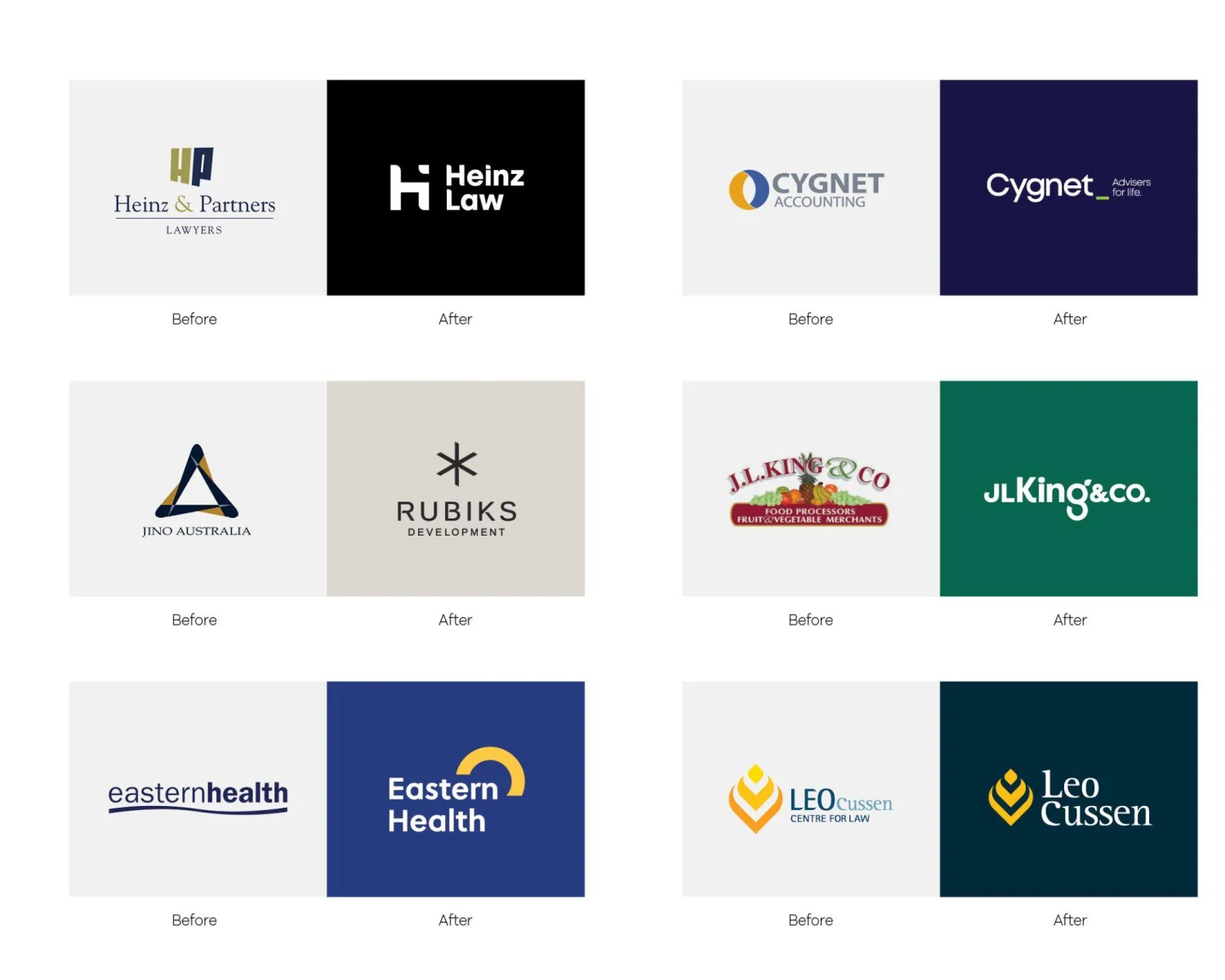
Rebranding is no longer just about changing a logo. It is now a strategic digital marketing decision aimed at repositioning brands for modern audiences. Even established companies are refreshing their names, visual identities and messaging to stay relevant in competitive digital markets. This also gives them an upper hand as a trending news topic.
For example, Boult Audio rebranded to GoBoult, signaling a more energetic, youth-driven and digital-first identity. The change reflects evolving customer expectations and a stronger focus on lifestyle positioning rather than just product features. It is not the only example, there are many more of them as shown in image below:
Facebook rebranded to Meta to align with its metaverse and future-tech positioning. The rebranding repositioned the company as a future-focused technology ecosystem rather than just a social media platform.
Expert Prediction for 2026: More established brands will strategically refresh their identity to improve digital recall, strengthen global positioning and enhance cross-platform visibility. However, successful rebranding will require strong storytelling and performance-backed launch campaigns to avoid customer confusion.
You may have seen brands launching limited editions products like Nike or many watch companies. It helps them build exclusivity, urgency and premium perception. Scarcity has always influenced buying behavior, but digital platforms now amplify its impact through countdown timers, waitlists, influencer teasers and performance marketing campaigns.
It wasn’t directly a trend for every brand, but the popular ones leveraged it to remain in demand. Nowadays limited drops are no longer restricted to luxury brands. Even consumer electronics, fashion and D2C companies are using this strategy to generate hype and accelerate sales within a short window.
For example, sneaker brands often release limited drops that sell out within minutes due to digital anticipation campaigns. Similarly, many fashion brands launch capsule collections exclusively online to increase perceived value.
Nike uses its SNKRS app to launch limited sneaker drops supported by countdown campaigns and digital hype. Products often sell out within minutes, increasing brand exclusivity and premium perception.
Prediction for 2026: More brands will adopt limited digital product drops to maintain exclusivity, protect premium positioning and generate high-intent demand without heavy discounting.
The emerging technologies are reshaping digital marketing strategies. We have already seen this in the above-mentioned trends. The technologies are of different types like augmented reality, voice commerce, blockchain transparency in advertising and interactive experiences.
They are gradually integrated into mainstream marketing campaigns. The business has not adopted these technologies on a scale yet. But whoever is using them is gaining competitive differentiation. Here are some of those technologies you can use in 2026:
Related Article: Best AI Visibility Tools
Knowing the digital marketing trends is not enough to achieve maximum possible traffic. You need proactive planning rather than reactive adjustments. This requires investing in technology, data infrastructure and skill development. The most successful companies achieve their success by combining AI automation with human creativity. Their marketing teams are upgraded with analytical capabilities while focusing on brand authenticity and trust-building. You can follow the given steps:
Over the past few years, I have seen digital marketing change more rapidly than at any other time in my career. Strategies that consistently delivered results a few years ago no longer perform the same way today. Search engines have become smarter, social media algorithms have evolved, privacy regulations have changed data collection practices, and artificial intelligence has transformed how marketers create and optimize campaigns.
Another major shift I have observed is the rapid adoption of AI-powered search platforms. More users are now asking questions directly to ChatGPT, Gemini, Claude, Perplexity and Google AI Mode instead of relying only on traditional search engines. Because of this, I now focus not only on SEO but also on Generative Engine Optimization (GEO), ensuring that content is comprehensive, trustworthy, well-structured and easy for AI systems to understand and reference.
Perhaps the most important lesson I have learned is that successful digital marketing is no longer about mastering a single channel. The strongest results typically come from combining SEO, social media, content marketing, email marketing, paid advertising, and analytics into a unified strategy. Customers interact with brands across multiple touchpoints, and businesses that provide a consistent experience across those channels are more likely to earn trust and conversions.
Looking ahead, I believe the marketers who will succeed are those who remain adaptable. Technology will continue to evolve, new platforms will emerge, and customer behavior will keep changing. The businesses that embrace innovation while maintaining a strong focus on value, trust, and customer experience will be in the best position to grow in the years ahead.
Read Also: What Is AI Optimization?
Various industry reports are already indicating a rapid growth in AI adoption, video engagement and automation spending. Here are some statistics that will make you understand the importance of digital marketing trends:
| Statistic | Key Insight |
| More than 6 billion people use the internet | Global digital connectivity continues to rise, expanding digital marketing reach worldwide. |
| Social media users have “ supermajority ” status | The majority of the world’s population is active on social platforms, critical for digital campaigns. |
| Reels account for 50% of time on Instagram | Short-form video dominates user engagement on major platforms. |
| YouTube Shorts are viewed over 200 billion times/day | Short-form video formats deliver massive reach and frequency. |
| Social media ad spend projected at $317.33B in 2026 | Social advertising continues strong growth and remains a critical marketing channel. |
| 80% of marketing leaders plan to increase paid social spend | Most brands are boosting budgets for social ad investment. |
| Facebook is used by ~70% of marketers | Facebook remains a key channel in digital marketing strategy. |
| Instagram leads ROI among social platforms | Marketers identify Instagram as one of the strongest ROI drivers. |
To clearly understand how significant this shift is, let’s compare how digital marketing strategies have evolved from 2024 to 2026.
| 2024 Marketing Approach | 2026 Marketing Approach |
| Keyword-focused SEO | Entity-based and authority-driven SEO |
| Manual campaign optimization | AI-driven automated optimization |
| Third-party cookie reliance | First-party and zero-party data ecosystems |
| Basic personalization | AI-powered hyper-personalization at scale |
| Platform-specific campaigns | Fully integrated omnichannel strategies |
| Static content strategy | Dynamic, data-informed content systems |
| Traditional attribution models | Predictive and AI-based attribution |
| Long-form dominance | Short-form, interactive and AI-search optimized content |
Now you know the top digital marketing trends of 2026 and how they can help evolve the business. They are powered by AI integration, privacy-first strategies, performance-driven campaigns and authority-based SEO. It is the time to embrace automation while maintaining authenticity, which will outperform competitors.
The future belongs to the ones who adapt early, leverage technology wisely, and prioritize customer experience. Staying informed about emerging trends and predictions will ensure long-term digital success in an increasingly competitive landscape.
AI-powered marketing automation is expected to be the most significant trend as it influences content creation, personalization, analytics and campaign optimization across all channels.
The importance of SEO remains the same. The focus has shifted toward authority, structured content and user experience rather than just keywords.
AI will automate repetitive tasks but increase demand for strategic, analytical and creative marketing skills. If you have the skills, then you may have a variety of job opportunities.
With stricter privacy regulations and reduced third-party tracking, first-party data provides reliable insights while maintaining compliance.
Performance marketing will indeed continue expanding as businesses prioritize measurable ROI and data-driven optimization.
Explore Our Trending Articles-
| Course Name | Batch Type | Details |
| Digital Marketing Training | Every Weekday | View Details |
| Digital Marketing Training | Every Weekend | View Details |