The DevSecOps methodology adds to the DevOps model by helping the development team in integrating security objectives in the initial phases of the software development lifecycle. Development and operations teams get confidence to independently execute multiple security tasks for protecting the code from any potential vulnerabilities and threats. This article answers what is DevSecOps, along with its uses, working, benefits and more.
TL;DR
DevSecOps is a software development approach that integrates security practices into every stage of the DevOps lifecycle to build, test, and deploy secure applications. This blog, from the DevOps and Cloud Computing category, explains what DevSecOps is, where it is used, its core principles, how it works within CI/CD pipelines, its key benefits, the differences between DevSecOps and DevOps, and the best practices organizations can follow to improve software security, quality, and delivery speed.
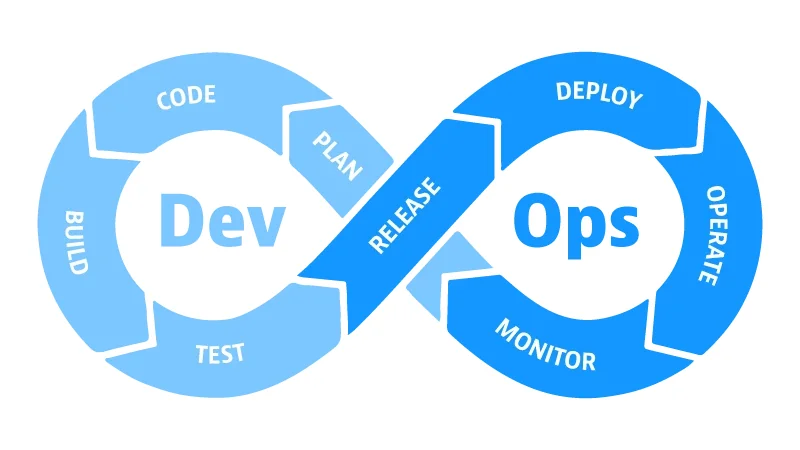
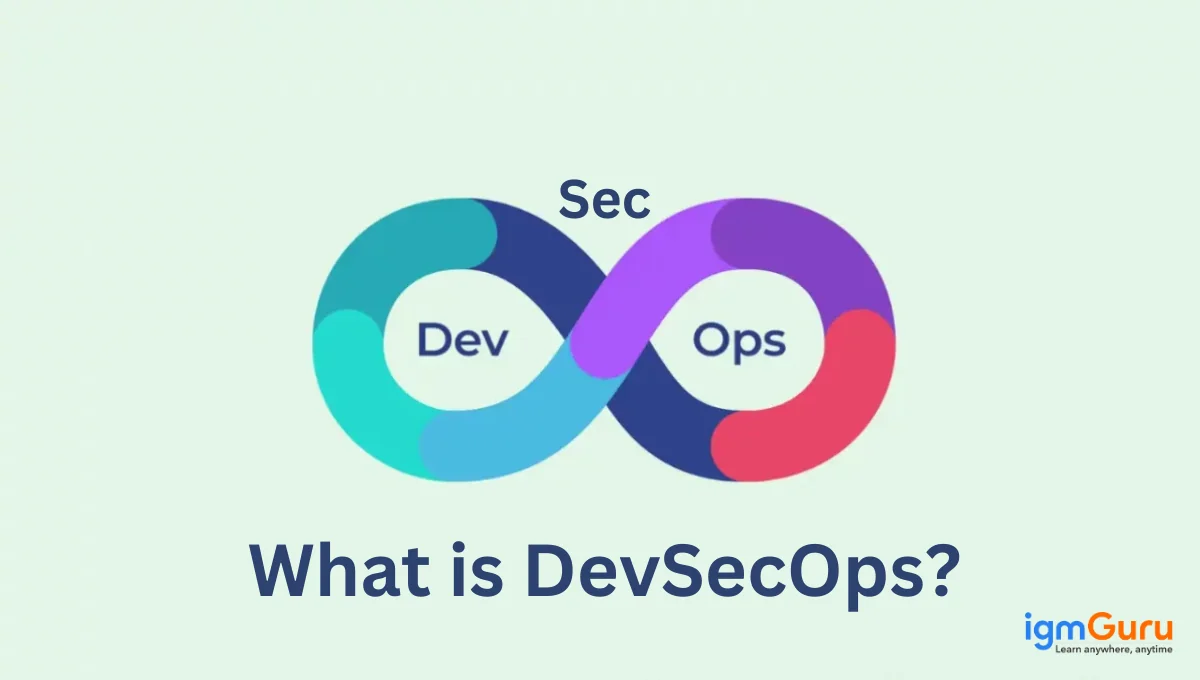
DevSecOps signifies development, security and operations. It's a practice that integrates security testing into the operations of the software development procedure. There are many processes and tools in it for encouraging collaboration between developers, operations team and safety specialists. This method is an extension of the DevOps model, which helps development teams to integrate security objectives.
A continuous environment of secure development procedures is created for safe software. Safety becomes a shared responsibility of everyone involved in the process of building the software. Organizations can identify and solve all potential safeguarding-related vulnerabilities swiftly. The software quality thus improves even with faster delivery. There is quite a ruckus around where is DevSecOps used, and the next section covers its answer.
DevSecOps is deeply integrated in the process of building and developing software, leading to early product release. It alters security practices spanning throughout the development of information technology operations. Cyber crimes have reached $10.5 trillion USD in 2025, which directly indicates the need for better security adoption.
Testers and developers are also saved from overtime related to debugging security problems, which are often quite hard to resolve in later stages of maintenance. It boosts the application delivery system in companies and increases their efficiency. This method change is applied while developing the software app, but also integrates safety in the prototyped development environment.
Explore igmGuru's Cloud Computing Certification Courses and choose the best one as per your skill set.
DevSecOps has its origins in the shift-left security ideology. Simply put, security practices get implemented at early stages for a more secure code. 70% of security team members have pointed out that this practice has shifted left. This shift tags along many benefits like saving on cost and time, better software quality, more customer trust, and others. The principles of DevSecOps, thus, are quite unique.
It automates safety testing in collaboration with unit testing or integration testing for analyzing and debugging quality for threats and vulnerabilities. This has enhanced the software product quality after every build and release of a prototype through integration in the CI/CD pipeline.
Each software product is configured through the shift left strategy in the SDLC model for optimizing safety, market and cost to meet business goals. Teams can recognize security and risk exposure risks early on to promote a safe build.
Companies hiring these experts make it easier for the developer and tester teams to communicate and work together in parallelly. They undertake different practices for creating qualitative software.
Every software product is persistently changing in the present times, exposing the software product to vulnerabilities and delaying the final product delivery. The principle of continuous quality improvement helps the development team build a strong prototype during the SDLC phases.
Related Article- DevOps Interview Questions
DevSecOps is the safe integration of code through CI/CD tools. DevSecOps has a structural outline of a pipeline that covers software security checks. Here is how DevSecOps works.
The complete workflow begins from the root code to ensure static code analysis, code reviews, and code analysis are implemented in the coding phase.
The commit to the git repository must be passed through the exact level of safeguarding by working in a private repository instead of the public repository to prevent threats. The CI pipeline begins after this phase.
It is a combined phase of static code analysis to recognize vulnerabilities, perform integration tests and performance tests along with infrastructure scans. This pipeline interval is the CI pipeline.
This is the CD part of the pipeline. There is a review in production and staging with a parallel passive penetration test and SSL scan to make sure the production-ready code is well protected.
Related Article- DevOps Tutorial
The major advantages of DevSecOps are security and speed. With this, the development teams can deliver safer and better code at a cheaper rate and faster speed. It instills the mindset that everyone on the team is responsible for safeguarding the product.
It is understood why a beginner would get confused between these two and search for expansion on DevSecOps vs DevOps. The antecedent brings an addition to the DevOps practice and it makes all the different development teams could ask for.
| DevOps | DevSecOps |
| DevOps is a cultural methodology. | DevSecOps is a software development approach. |
| DevOps looks for deconstructed hidden teams, especially the development and operations teams. | It has the same goal as DevOps but does it by bringing security teams in the blend. |
| It grows the occurrence of categorizations without compromising the stability or the quality of the application. | DevSecOps is meant to safeguard applications with the industry relevant controls while having the advantages of DevOps. |
| The main goals of DevOps are delivery, speed and quality. | It works with and around strong application of security. |
| Security is taken as a barrier to agility and speed. | This makes security a divided responsibility among all the teams. |
| It needs tools for CI/CD, testing software testing, building management and constant monitoring. | Along with DevOps tools, it also needs tools for Static Application Security Testing (SAST), Software Composition Analysis (SCA), Interactive Security Testing (IAST), Dynamic Application Security Testing (DAST) and more. |
| Some of the top tools are Puppet, Chef, Ansible, Jenkins. | Top tools include Puppet, Ansible, Chef, Jenkins & security-specific tools like Veracode, Burp Suite, OWASP ZAP Proxy. |
| DevOps mainly concentrates on functional and performance testing. | DevSecOps includes testing at every stage, from development to deployment making sure that all the vulnerabilities are recognized and reduced. |
Related Article- Most In-Demand DevOps Engineer Skills To Learn
Nowadays, every developer must follow a fast pace for software delivery. There are certain best practices for DevSecOps one must follow to avoid the pitfalls of security.
The market volume for this exercise is expected to rise at a CAGR of 23.8% between 2025-2037 and reach $ 86.65 USD by the end of this period. This makes it essential to learn what is DevSecOps and its place in cloud computing. Experts who understand its growing importance in the IT industry are the only ones who'll be able to keep up with the continuous change.
The three pillars are test-driven security, monitoring and responding to attacks and assessing risks and maturing security.
We need DevSecOps for integrating security into the core of the software development process.
AI allows the teams to anticipate and address vulnerabilities proactively in DevSecOps. AI has the ability to analyze large amounts of data in no time.
Course Schedule
| Course Name | Batch Type | Details |
| DevOps Training | Every Weekdays | View Details |
| DevOps Training | Every Weekend | View Details |