Software development is referred to as a process of designing, developing, testing and managing computer applications and programs. The calculator, video player, Excel, and many more software applications you use in your day to day life are examples of this technology. These applications simplify our personal as well as professional tasks. Therefore, understanding ‘what is software development' has become more crucial than ever.
Overall employment of software developers, testers and quality assurance analysts is forecast to grow around 17% from 2023 to 2033. Isn't it an impressive opportunity? Of course it is. Then why wait, let's understand everything about software development in this article.
Software development is a compilation of computer science activities concentrated around the developing, designing, managing and supporting software. This branch merges creativity, expertise in engineering and problem solving capabilities. These abilities are for producing a product, which pleases specific needs, requirements and goals of the varied users. The coders or developers make use of a bunch of programming languages and tools for developing solutions for businesses.
Explore igmGuru's most popular programming language courses and start your career in development.
There are many different types of software that you will come across once you step in this field. Here are the three basic ones -
System software directly works with the computer hardware and gives basic functionality to clients and other software for swift operation.
Application software is developed for end users for finishing a particular task. This product/program is only made for meeting the requirements and needs of the end users. It has word processors, spreadsheets, database management, inventory, payroll software, etc.
Programming software is made for programmers to develop programs. It has code editor, compiler, debugger, interpreter and more.
Software development is a well-rounded process with many key stages. There are many different methodologies that exist for developing products, including Agile and Waterfall. However, most project lifecycles (SDLC) include the following steps -
This first step includes understanding the project's aim and deriving detailed needs from the stakeholders. It involves recognizing the needs of the users, functionality which must be provided by the product and any constraints. This stage acts as a base for the whole project through knowing what the app will accomplish.
After collecting the requirements, this second step involves conducting a feasibility study. It includes analyzing if the project is possible from a financial, technical and operational point of view. This step helps decide whether the product can be developed in the given budget, time and resources, all while meeting the user's requirements.
This third step is its technical architecture. It involves decision making on the overall software structure, technologies made use of, user interface design, database models and the flow of data in the system. The detailed system design makes sure that all the features are working together flawlessly and smoothly.
This fourth step includes creating a working model or a mock-up for visualizing and testing the key features before full development. It permits the stakeholders for reviewing and giving feedback early in the procedure, helping refining needs and creating elements.
This step is where the actual coding starts. The coders write codes according to the design specifications and apply the features which are needed. This is the most intense step in the SDLC and includes converting design documents into functional features.
After the code is written, the final product goes through a strict testing phase. The aim is to recognize and fix any bugs or problems, making sure that it functions properly and meets the requirements. It involves unit tests, system tests and user acceptance tests, surrounded by others. The testing step is important to make sure of performance and reliability.
This step concentrates on making sure that different modules work together as a balanced system. If there are in-built parts or dependencies, then those features require to be integrated and tested altogether. This is done to make sure that the operation is smooth and has proper communication between them.
It is ready to be deployed after accomplishing development and testing. This step includes releasing the final outcome to the customers or in the production systems. Deployment might involve activities such as configuring servers, setting up databases and making sure that it operates in the targeted manner.
After the deployment comes the maintenance step. In this time, there might be a need for updates to fix bugs, patch security weaknesses or add latest features according to the user's feedback. This regular maintenance makes sure that it continues to operate properly with time and stays updated with the changing user requirements.
Related Article- How to Become a Software Engineer?
Looking for the right model is pretty crucial for the development of a software application or product. Development and testing procedures executed are based on the model. There are many companies that choose the model which is good for their applications. Agile methodology is quite a famous one these days. Let us take a look at a few software development models.
In this model, the development procedure is divided in many increments and the same steps are followed in every increment. A complicated project is created in many modules or builds to easily pick the right one.
The waterfall model is a linear and a sequential model, meaning a development step can't start until the prior step is done. One cannot overlap stages here and neither can you go back to the prior step. The output of one step works as the input for another step.
RAD stands for Rapid Application Development model. This model is a bit similar to incremental and waterfall models. It is usually used for small projects. Its main goal is to reuse code, features, tools and procedures in the project development.
In this model, one starts developing with a few needs and once it is developed, it is reviewed. In case of any changes, a latest version is developed according to the needs. This procedure is repeated multiple times until the right final product is derived.
Prototype model is an activity in which the prototypes of the applications are developed. A demo kind of model is developed first and then the final product is manufactured according to the finalized pick.
Related Article- Python Interview Questions
Using this process to stand apart from competition and consequently gain a competitive edge requires high-level proficiency. This is with regards to the technologies and techniques that can accelerate deployment, quality and efficacy. Here are some types of software development.
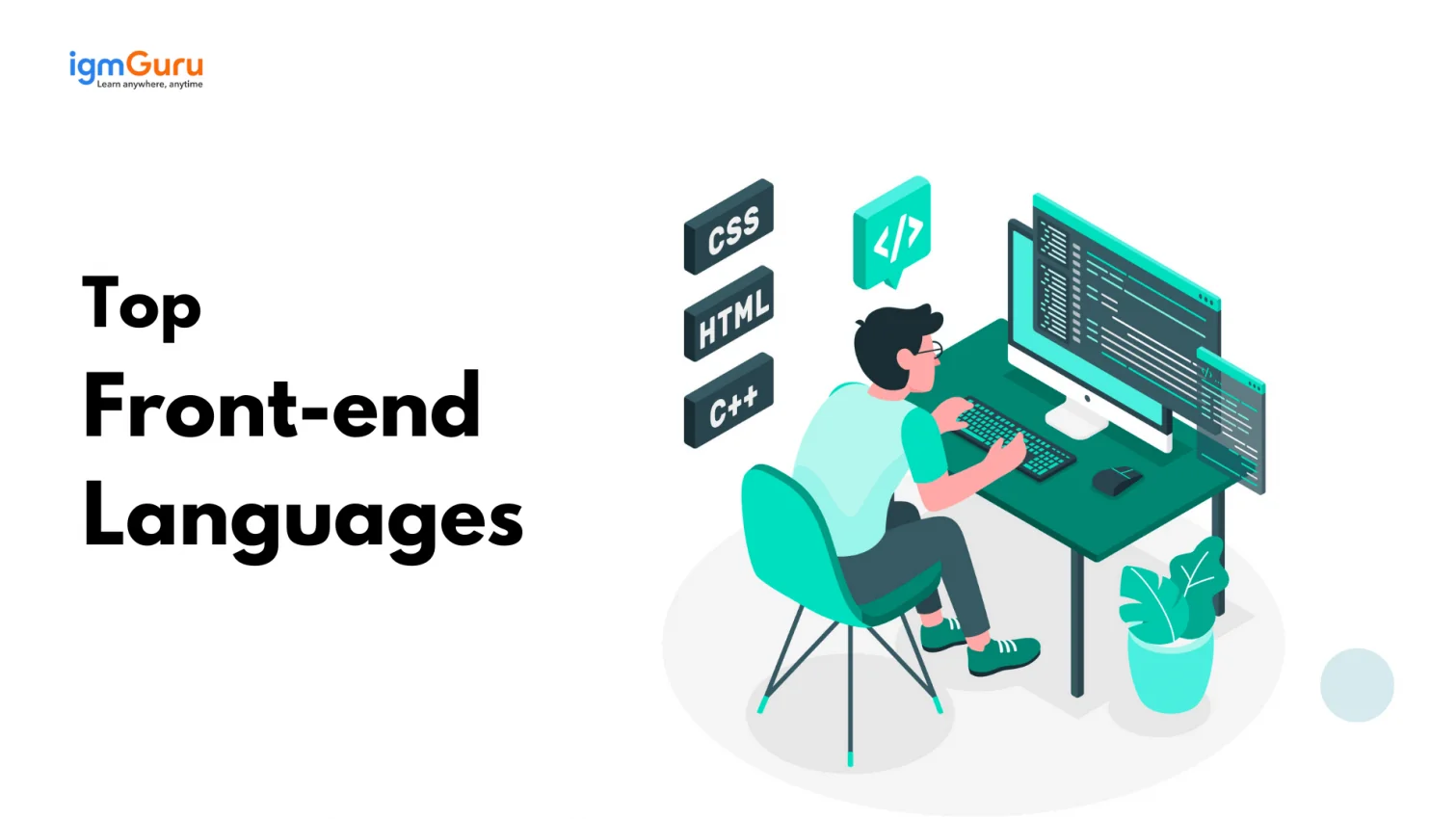
It includes developing dynamic and interactive web applications or websites. The languages used in it are HTML, CSS, JavaScript in the frontend and JavaScript (Node.js), Python, Ruby and PHP in the backend.
It majorly concentrates on developing applications for smartphones and tablets. The languages used in iOS are Swift, Objective-C and in Android are Java, Kotlin, Flutter (Dart).
It includes developing software for desktop operating systems like Windows, macOS or Linux. The languages used in this are C#, VB.NET, Swift, Objective-C, C++ and Java.
It concentrates on designing and developing video games for many platforms. The languages used in this are C#, UnityScript, C++ and GML (GameMaker Language).
The features of effective software development has the integration of different technologies and practices.
AI (Artificial Intelligence) code generation gives power to developers for creating predictive models, automating repetitive tasks and enhancing user experiences via customized suggestions.
It lets developers access scalable and cheap computing resources on demand. It establishes fast deployment of applications, lessens infrastructure management overhead and encourages global accessibility.
It is an architectural approach in software development that includes breaking down complicated applications in small, free services that communicate with one another through APIs.
It smoothens the procedure of building, testing and categorizing software. The CI includes automatically integrating code changes from many developers in a shared repository. It makes sure that the code base is constantly tested for issues, conflicts and obstacles.
Related Article- How To Learn Python From Scratch?
This field provides a vast variety of career opportunities. Every single one of them has its own responsibilities and specializations. Let us have a look at the jobs that use software development.
Also called programmers, their main task is writing codes and creating applications for meeting the project requirements and needs. Their specialities are in areas like web development, mobile app development or back-end systems development. Their main role includes making sure that the product functions properly and accomplishes the main goal of the project.
DevOps Engineer plays an important role in mending the gap between development and IT operations departments. They ease up a flawless procedure by automating deployment, testing and monitoring. DevOps engineer's responsibilities are making sure of an efficient development and categorization procedure.
They are the experts in manipulating and analyzing data. Their aim is to create data-driven applications and algorithms profiting both the businesses and research attempts.
They are responsible for designing the whole structure and system of a project. They make crucial, high-level design decisions and begin the project in a technical way.
Analysts in this field concentrate on safeguarding software and systems against all cyber threats and weaknesses.
They oversee the whole development procedure, from collecting requirements to deployment. Product managers are also responsible for defining project goals, prioritizing features and making sure that the product matches the business goals.
As we read on what is software development, we know it is a vast field that is continuously changing and shapes modern society. The impact of development is extensive from user friendly mobile apps to complex business systems. Through a structured procedure, encouraging creativity and highlighting quality assurance, developers run the growth and adaptation of software solutions. The vast variety of career opportunities in this industry offers ambitious individuals with a luck to make a good impact on the future of technology and innovation.
It is a structured procedure for creating top notch quality software, surrounding key steps from planning and requirements analysis to designing, testing, coding, maintenance and deployment. It makes sure of effective creation and constant enhancement.
It is a bunch of tools and programs given by hardware and software sellers for developers. It is used by developers for building tools.
This is a procedure of building both the front end and back end of an application. Front end is what the users look at, whereas the back end is the database and logic.
Course Schedule
| Course Name | Batch Type | Details |
| Python Training | Every Weekday | View Details |
| Python Training | Every Weekend | View Details |