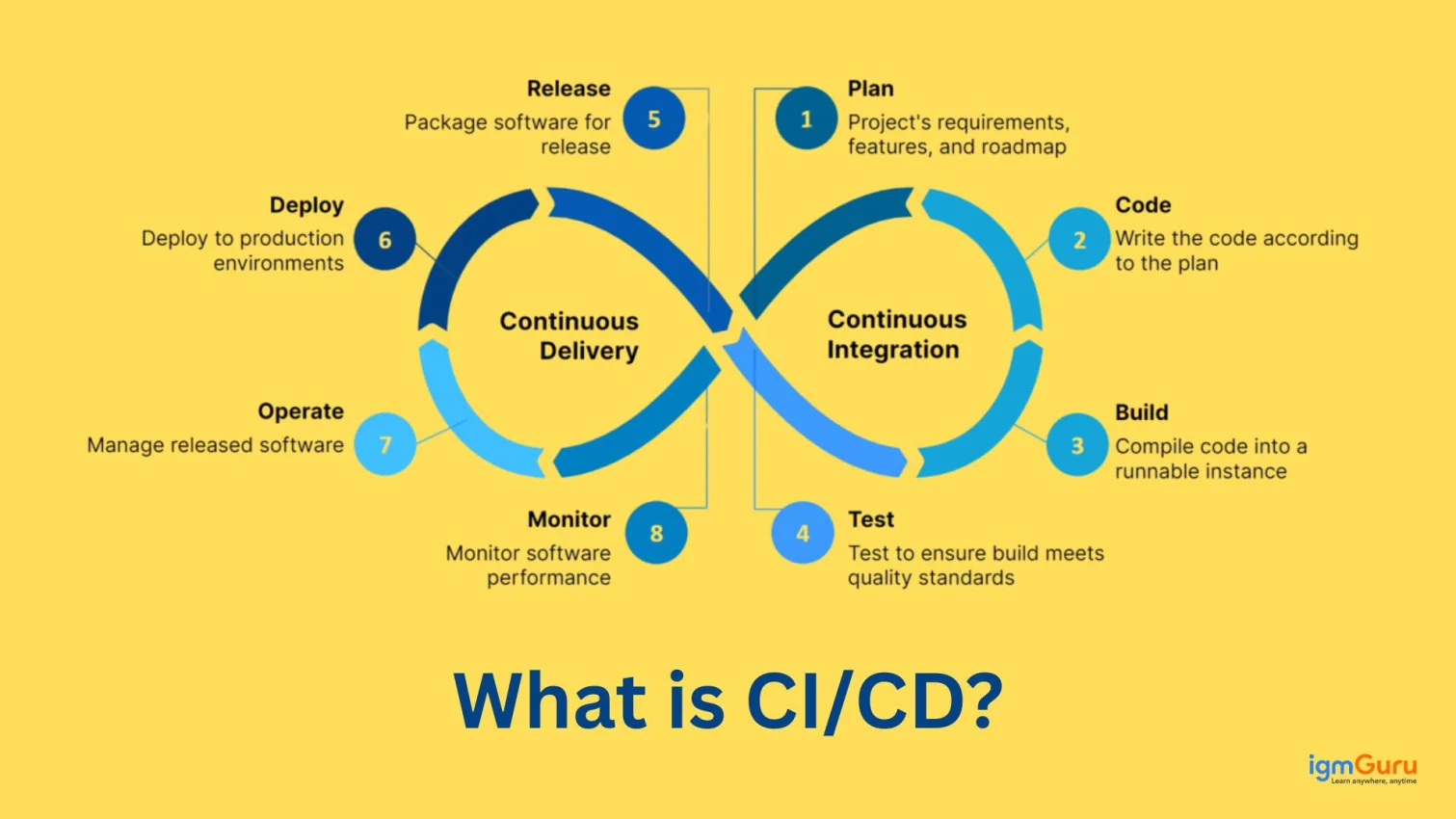
CI/CD (Continuous Integration and Continuous Deployment) is a modern software development approach to build, test, and deliver code faster and more reliably. In simple terms, CI/CD automates the steps between writing code and making it live for users. This helps software developers to merge their code into a shared repository, where it’s automatically tested.
This is not it. It has various more features and functions to offer. Explore this article on what is CI/CD to learn everything, including its process, benefits and best practices. It is a beginner-friendly guide to understand why, where and how you can use it in your entire software development process.
CI/CD stands for Continuous Integration and Continuous Deployment (or Continuous Delivery), and it's a modern software development approach many large organizations use to build, test, and deliver code faster and more reliably.
In simple terms, CI/CD automates the steps between writing code and making it live for users. With Continuous Integration, software developers or engineers regularly merge their code into a shared repository, where it's automatically tested. This helps catch bugs early and ensures new changes don't break existing functionality.
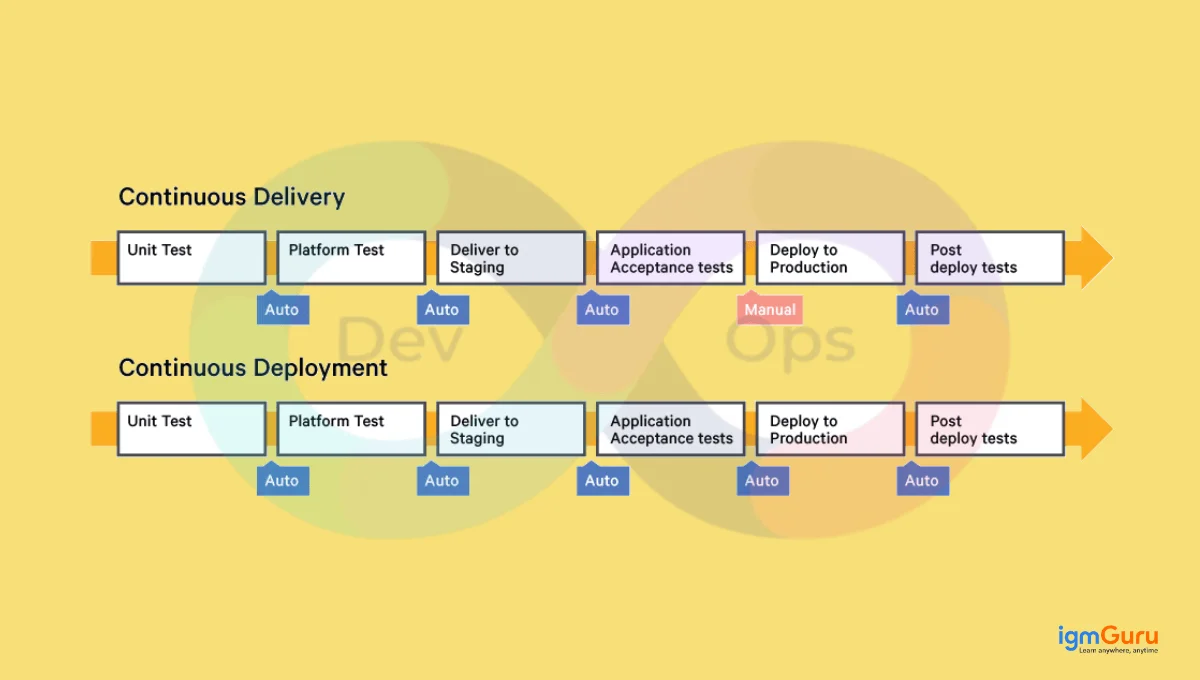
Continuous Deployment takes it a step further by automatically pushing tested code to production, reducing the need for manual intervention and speeding up the release cycle.
Alternatively, Continuous Delivery allows teams to manually release updates when ready, but the process is still automated up to that point. CI/CD is essential for teams aiming for agility, quality, and faster time-to-market. It promotes collaboration, minimizes errors, and makes software delivery smoother and more predictable.
Enroll in igmGuru's DevOps training program to learn with industry experts.
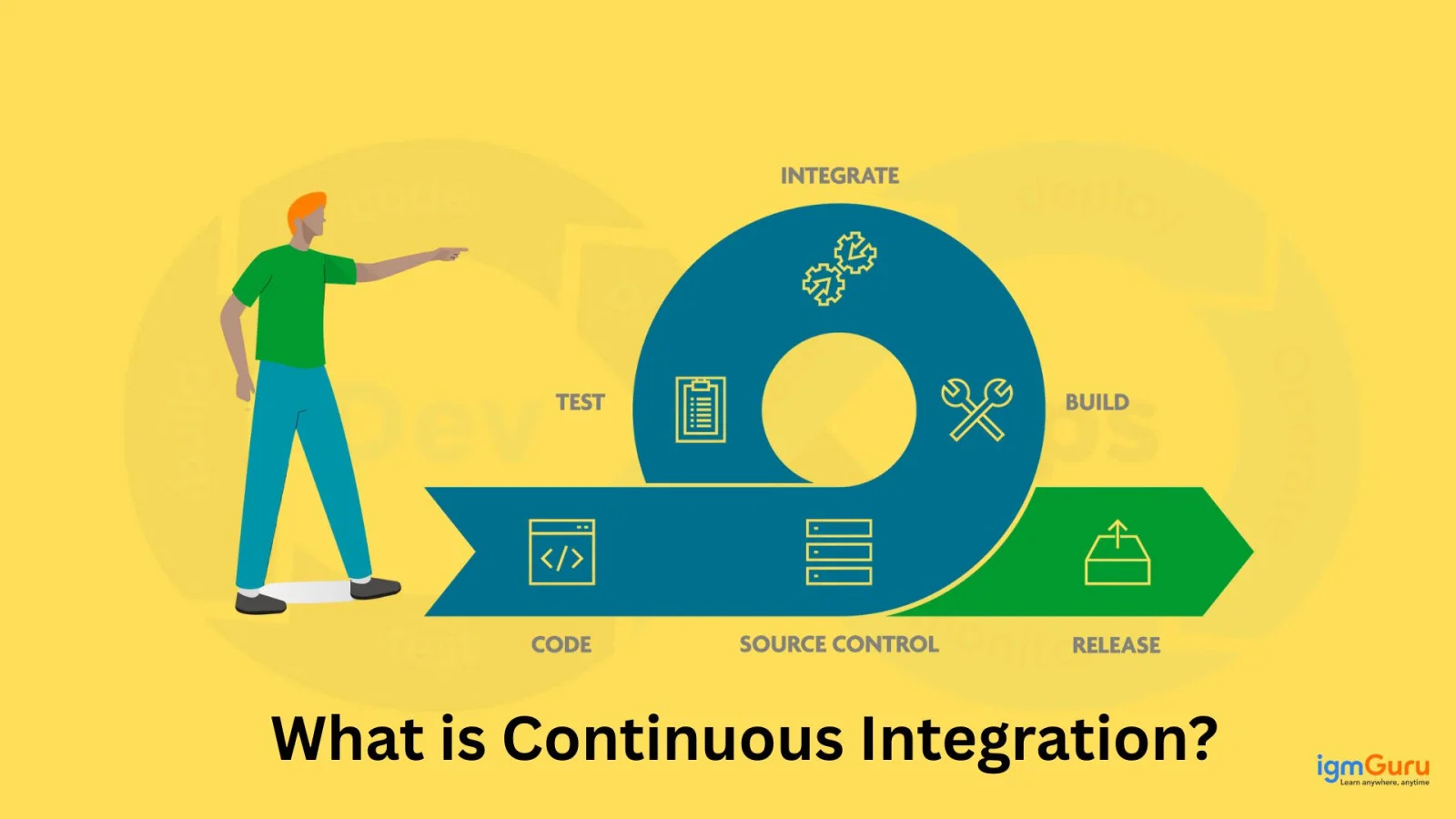
The 'CI' in CI/CD stands for Continuous Integration. But what is continuous integration? It's an automation procedure for developers that eases more frequent merging of code changes back to a shared branch or 'trunk'. As these modifications are made, automated testing steps are manipulated to make sure the reliability of merged code changes.
In modern application or software development, the aim is to have various developers working on different features of the same app. However, if a company is set up to mix all branching source code together on one day (also called 'merge day'). The resulting work can be monotonous, manual and time-consuming.
CI can be considered as a solution to the problem of having way too many sections of an app in development at once that may conflict with one another.
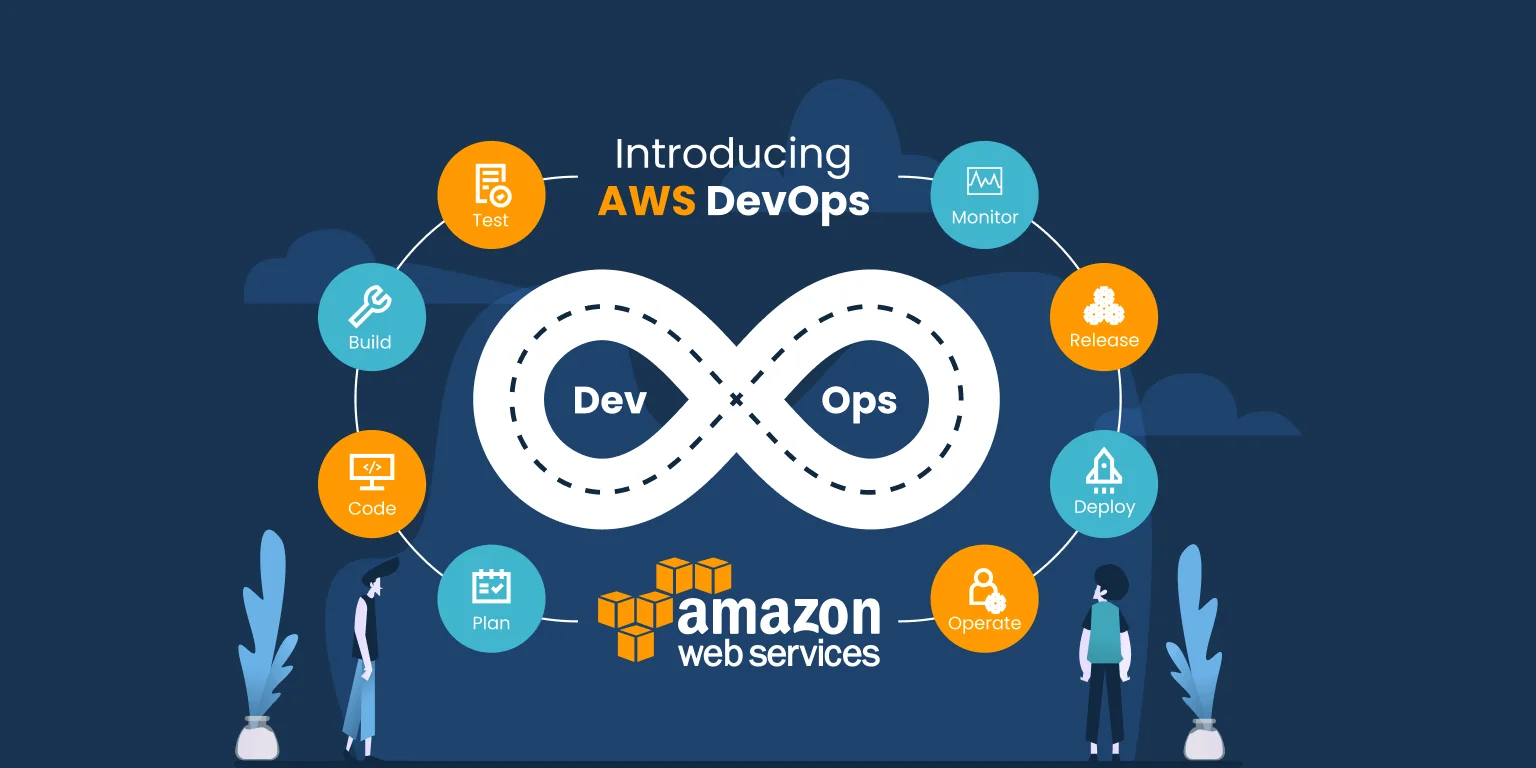
The basic idea of DevOps is to break down walls between teams and inspire a culture of shared responsibility. CI lines up perfectly with this through promoting collaboration between developers who often blend their code. DevOps practices make sure that automated testing, code reviews, and monitoring are set into the CI process, reducing hurdles and improving software quality.
Read Also: Best In-Demand DevOps Enginner Skills
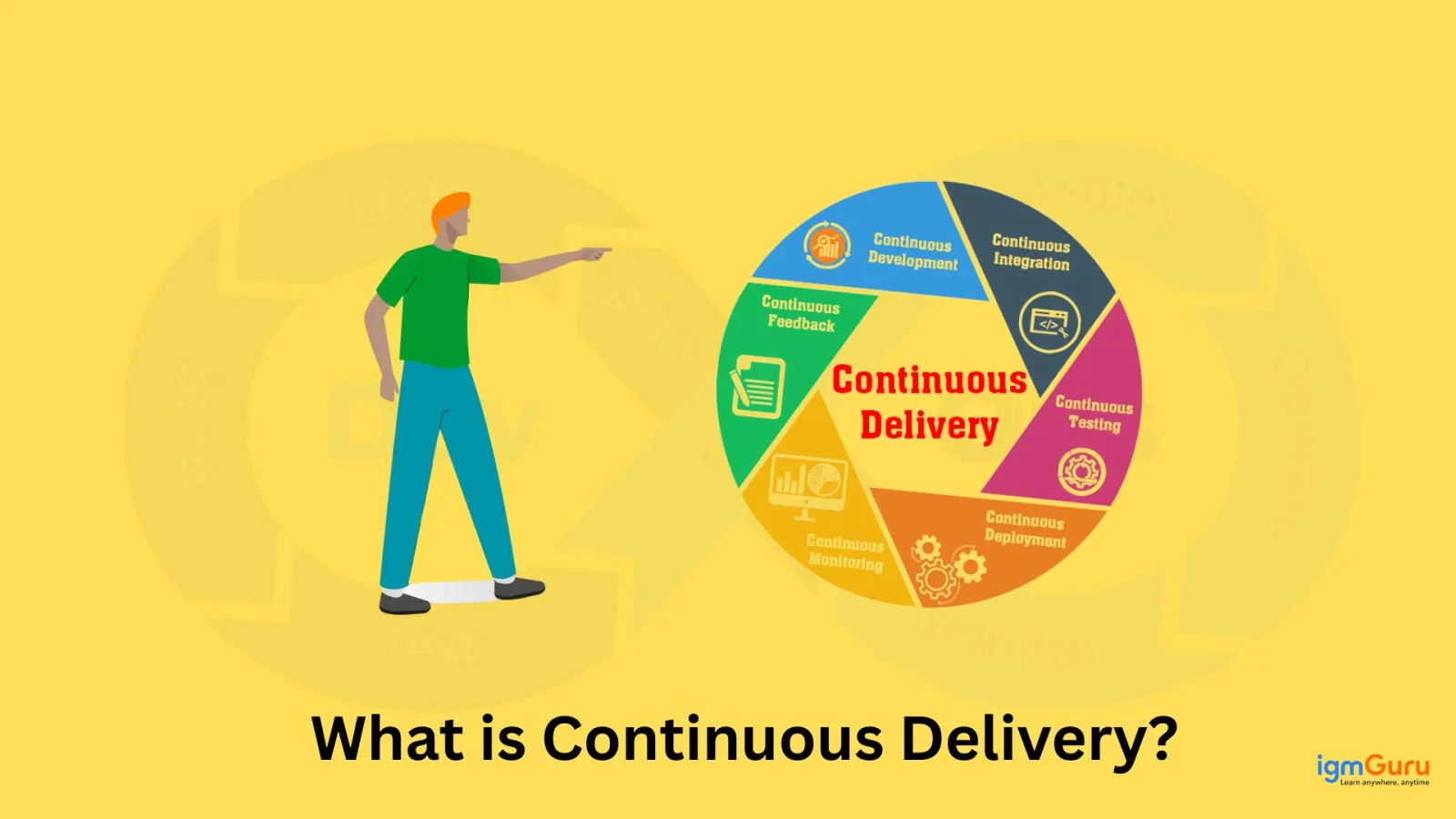
The 'CD' stands for continuous delivery. So what is continuous delivery? It automates the release of validated code to a repository following the automation of builds, unit and integration testing in CI. In order to have an effective continuous delivery procedure, it is crucial that CI is already built in the development pipeline.
In CD, every phase from the merger of code changes to the delivery of production-ready builds- includes test automation and code release automation. In the end of the procedure, the operations team is able to smoothly deploy an app for production.
CD usually signifies a developer's changes to an application. These are automatically bug tested and uploaded to repositories like GitHub or a container registry. Where they then can be deployed to a live production environment through the operations team. CD is an answer to the problem of poor visibility and communication between dev and business teams. The purpose of CD is to have a codebase which is always ready for deployment, till the very end. It also makes sure that it takes minimal effort for deploying new code.
Continuous Delivery (CD) further extends the DevOps philosophy by automating the deployment pipeline. The aim of DevOps is to make a smooth workflow where validated code can move flawlessly from development to production with minimal manual intervention. Through using DevOps automation tools like Jenkins, GitLab CI, or CircleCI, teams can make sure that every stage code integration, testing, and deployment, is managed properly.
Read Also- DevOps Tutorial
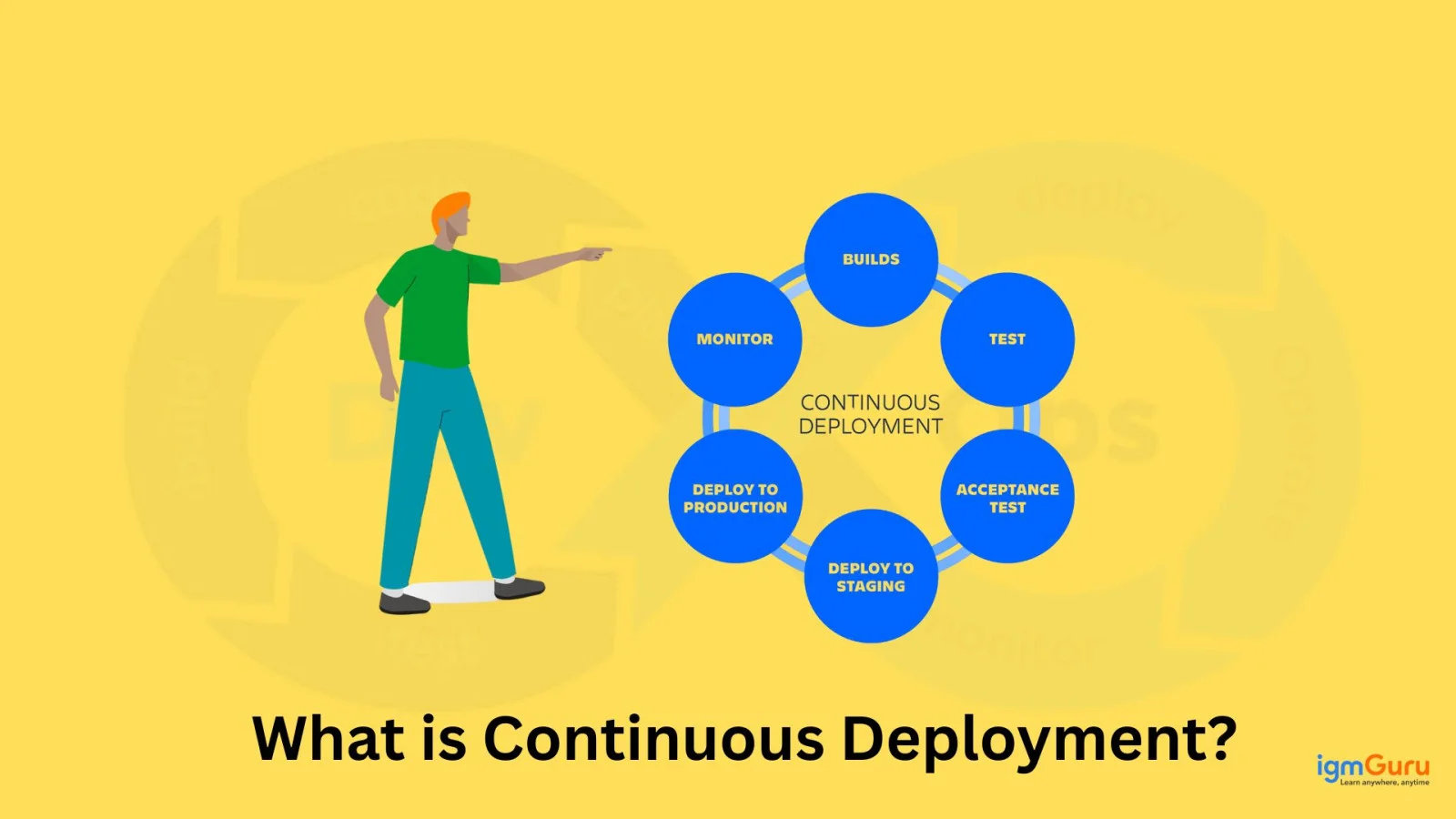
The last of a mature CI/CD pipeline is continuous deployment. But what is continuous deployment? It is an addition of CD and can be called for automating the release of a developer's changes from the repository to production. It is usable by the customers.
It shows the problem of overloading operations teams with manual processes that make app delivery slower. It grows on benefits of CD through automating the next stage in the pipeline.
During the practice, continuous deployment means that a developer's change to a cloud application might go live in minutes of writing it. All of these together are connected CI/CD exercises make the deployment procedure less risky. Whereas it is easier to release updates to apps in small pieces rather than all at once.
As there is not any manual fate at the stage of the pipeline before production. Continuous deployment depends heavily on well designed test automation. Meaning that the continuous deployment needs a lot of upfront investment since automated tests require to be written. Automated tests need to be written to help a variety of testing and release stages in the CI/CD pipeline.
The success of CD pretty much depends on DevOps methods. As it needs strong infrastructure, monitoring, and security measures to push code changes directly to production. DevOps teams make use of Infrastructure as Code (IaC), containerization tools like Docker and Kubernetes. And observing solutions to make sure of stability and reliability in the deployment procedure.
Related Article: How to Build CI/CD Pipelines in Azure DevOps?
Let us understand what is CI/CD process. Developers who constantly commit codes to version control systems like GitHub, which begin the CI procedure. The code quality can be shown by scanning or analyzing it with static code analysis tools. The CI procedure makes the final build after running automated tests like unit and integration tests.
Applying CI is the first important step for a developer to make high-quality code. Many CI tools are there like Harness CI, CircleCI and TravisCI. Code changes are automatically deployed in the production in the last stage of the CI/CD pipeline once the build has accomplished all tests.
The technical goal of CI is to develop a standardized and automated procedure for developing, packaging and testing programs. Most of the developer teams are inclined towards code change. When the integration procedure gets better cooperation and software quality. Whereas the CD starts where CI ends to make sure that the code changes are automatically pushed to the selected infrastructure terrains.
CI/CD speaks about a pipeline where one can submit new code on one end. And let it get tested through stages like sourcing, building, staging, production and finally releasing it as a ready-production code.
In the CI/CD pipeline, every stage serves as a gate that shows a particular feature of the code. As the code travels via pipeline, its quality will enhance since developers will look at more aspects of it. The early-stage issues prevent the code from advancing through the channel. These test results are communicated promptly. If the software fails a stage then all the subsequent builds and releases are halted.
All these steps are only suggestions and can be altered according to the company's requirements. One can also repeat the steps for testing, security, performance and other causes. One can also make updates at different levels according to their specific project.
Related Article- DevOps Interview Questions
Now the question is 'why DevOps is important for CI/CD success'. The integration of DevOps in CI/CD leads to the given points
Read Also: CI/CD Interview Questions and Answers
Industries attempt to deploy features as fast as possible to stay competitive in the market. A flawless CI/CD pipeline is the best platform for such short releases. The pipeline has many DevOps automation tools and frameworks which help developers, testers, operations teams and other participants in delivering software to end-users.
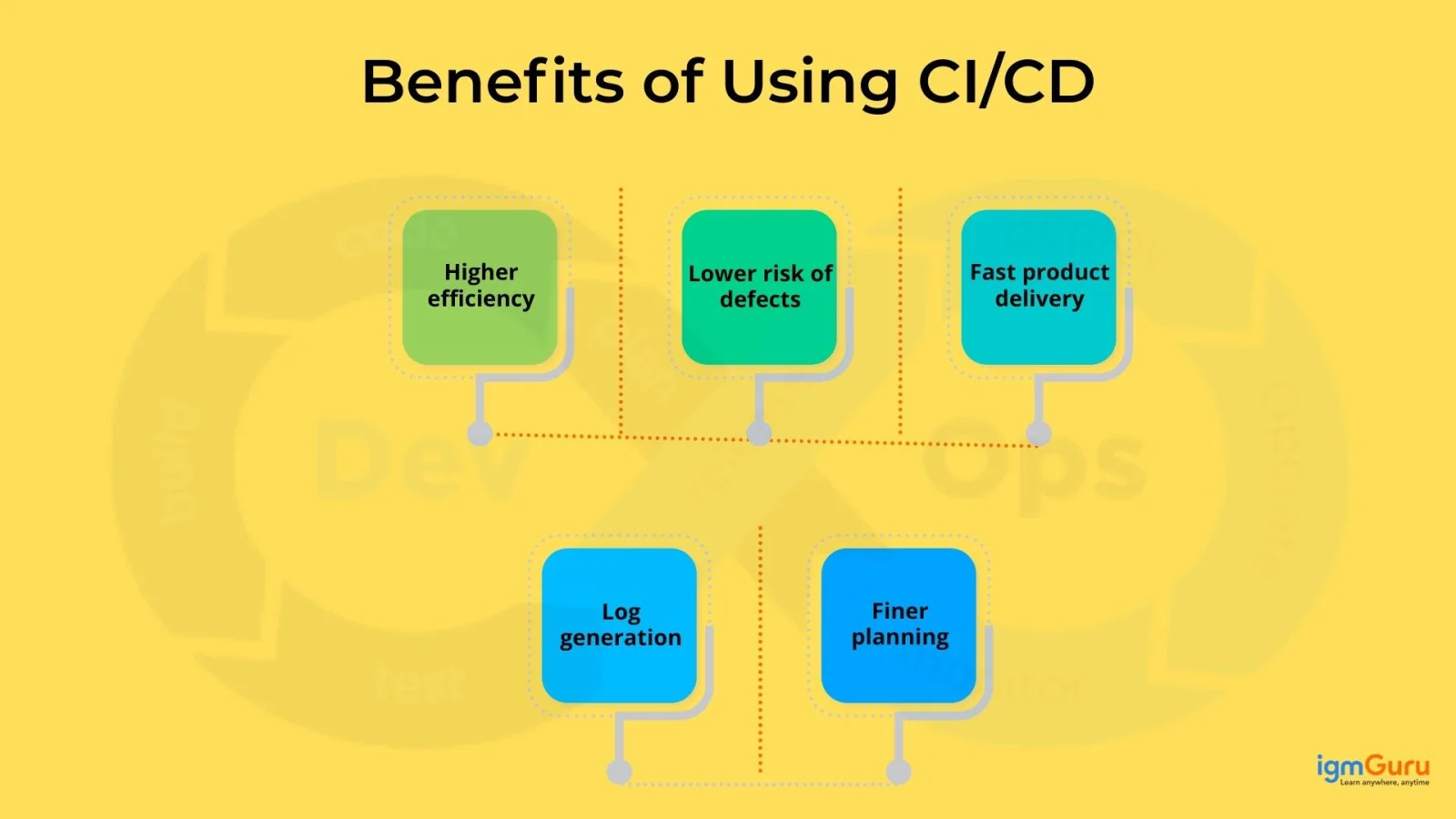
This lets the teams be more energetic while also enhancing the overall efficiency of the software delivery procedure. The main work for developing a pipeline may take a long time and might require a high learning curve. But the benefits outweigh the time, expense and effort needed. Here are the benefits of CI/CD to understand why many industries have switched.
Expanded productivity is among the leading advantages of a CI/CD pipeline. One can automate their process if they have a review procedure which involves deploying code to development, testing and production environments. Entering multiple commands over many domains also creates the need for a CI/CD framework.
Discovering and resolving defects late in the development procedure is time-consuming and expensive. This is basically true when the issues arise with features already released to production. One can test and deploy code more regularly through a CI/CD pipeline. Providing QA engineers the power to recognize and fix errors as soon as they appear. This way can effectively mitigate risks in no time.
Having a smooth CI/CD workflow, many daily releases can become reality. Teams can build, test and deliver features automatically with minimal manual intervention. Docker, Kubernetes and Travis CI are some of the tools and frameworks which can be used for accomplishing this.
Logging information plays a major role in observability. Logs give a vast volume of information to decipher what's happening underneath the UI and study the program behavior. CI/CD pipeline creates a lot of logging data at each level of the software development procedure.
Organizational designs must be adjustable to changing economic conditions. Although, it is tough for development and testing teams to adjust to fast changes in dynamic business situations. A CI/CD pipeline lets companies achieve this through making sure that they have an ordered surplus of items and a continuous line of communication with users.
Read Also- Kubernetes Interview Questions and Answers
CI/CD tools can assist teams with the development, deployment and testing. Some of the highly suggested for the integration part and some are for the development and handling of the testing and related functionality. But what are CI/CD tools? These tools are software applications that automate the procedure of building, testing and publishing software changes. They help in improving the speed and quality of applications. Most of the famous tools for the CI and CD is Jenkins. It is an open source and it will assist to manage all kinds of work and design a simple CI server to complete the CD hub.
Well, in this guide- what is CI/CD, we have discussed many important things about the CI/CD. Businesses looking for improving application performance and quality require a dependable delivery process. As CI/CD transforms, it breaks the bridge between development and operations, letting developers to concentrate on improving business applications.
While CI/CD improves software delivery, DevOps ensures its smooth execution by embedding automation, collaboration, and continuous improvement into the workflow. Together, they form a powerful combination that helps organizations accelerate software development while maintaining high quality and reliability.
Through embracing DevOps along with CI/CD, businesses can achieve a graceful, organized, and future ready software delivery model.
DevOps is a cultural and organizational approach that encourages collaboration between development and operations teams.
The development teams use the CI/CD tools.
Yes, Jira can be used for CI/CD deployment.
The most popular CI/CD tools are Jenkins, GitHub Actions, GitLab CI, CircleCI and Azure DevOps.
CI/CD is used for both frontend and backend development to automate building, testing and deploying applications.
Course Schedule
| Course Name | Batch Type | Details |
| CI/CD Training | Every Weekday | View Details |
| Every Weekend | View Details |