I have witnessed from my experience that DevOps is growing rapidly. Companies require fast delivery, reliable systems, and seamless coordination between development and operations teams and this work is done by DevOps Professionals.
Only learning about DevOps is not beneficial, certification is crucial. Certification gives validation to your skills as well as provides you with an edge in the job market.
For instance, AWS Certified DevOps Engineer, Certified Kubernetes Administrator, and many more. No matter if you are a beginner or an experienced professional, a DevOps Certification can take your career to the next level. For a better understanding, I have created this guide from my experience with the names of the top 8 DevOps certifications and other important information like skills, cost, requirements, duration, etc.
Therefore, if your goal is to make a successful career in DevOps, then this guide is for you.
What is DevOps?
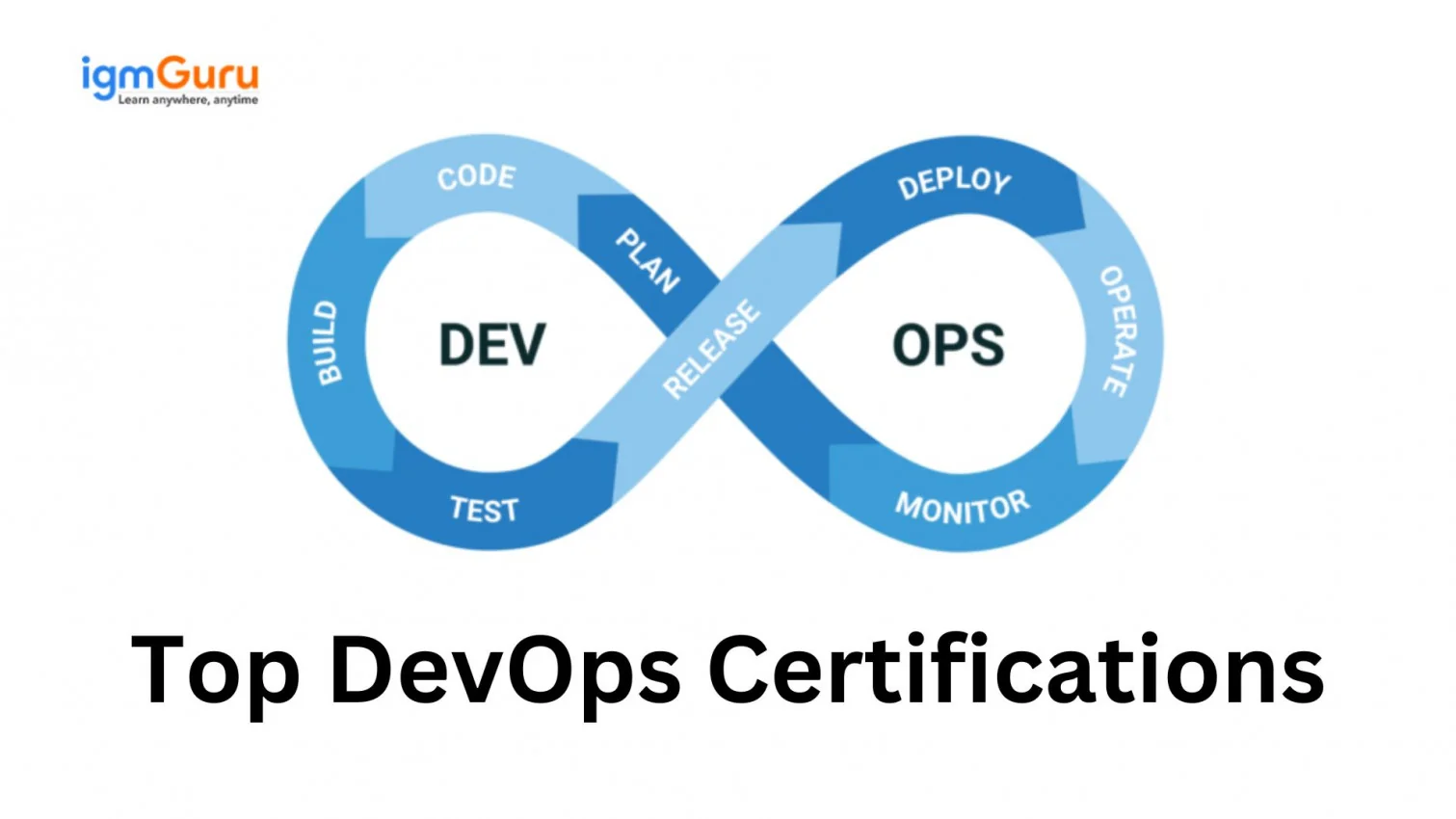
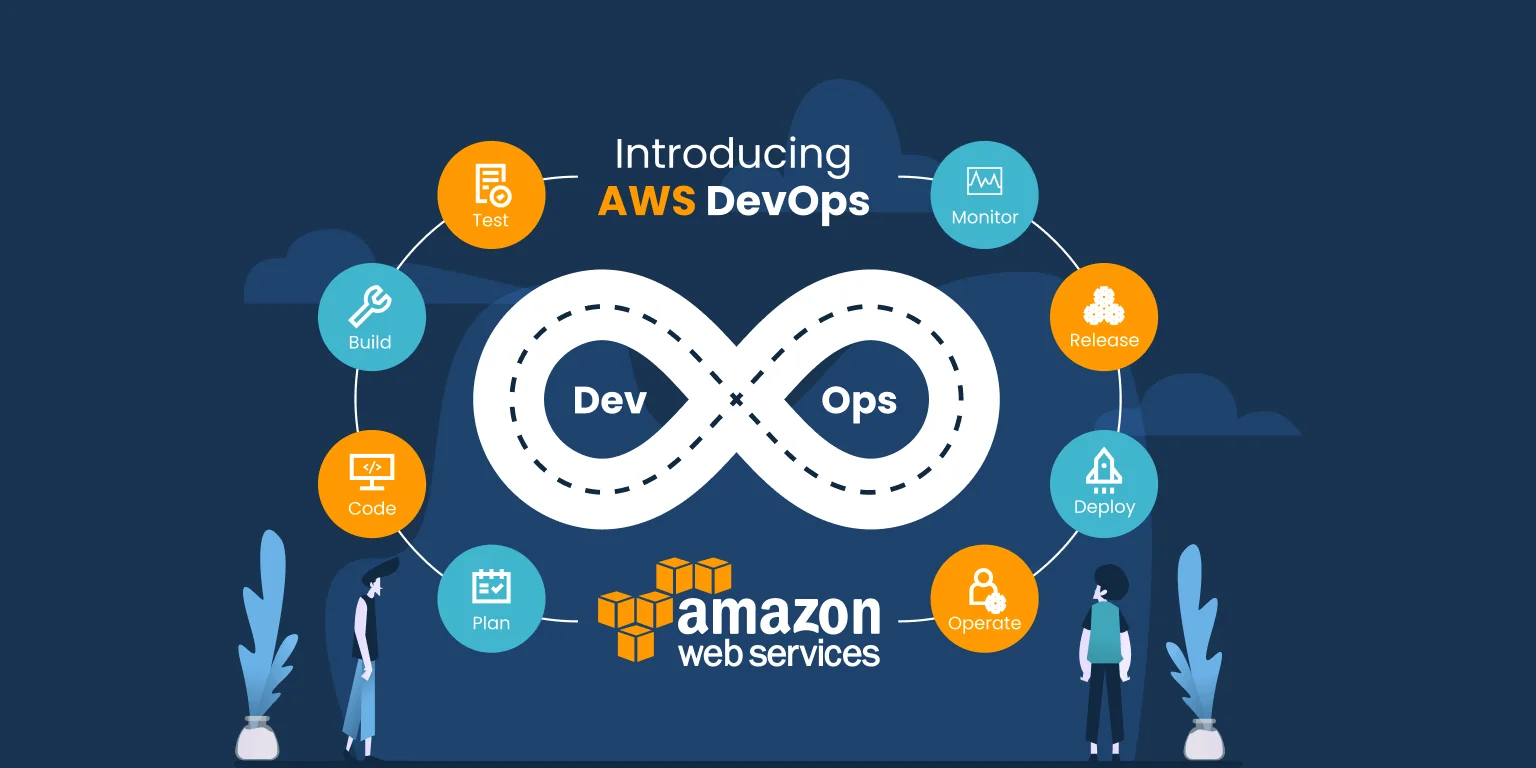
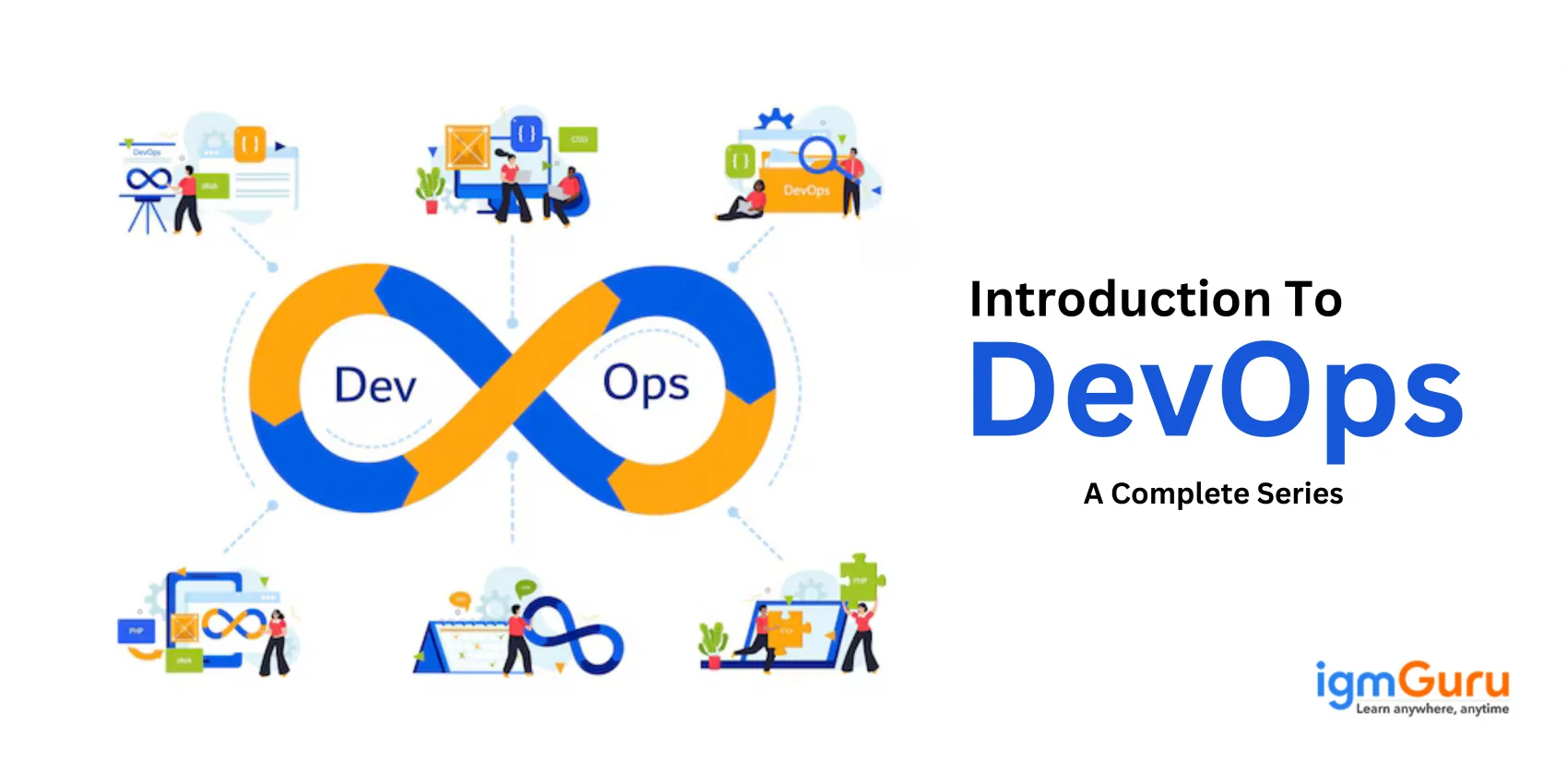
Imagine two teams - one group of software developers write the code for a system to be deployed to production, while the other team has responsibility for running the code on servers, improving the release processes, and enhancing monitoring tools. Without coordination between the two teams, there will be multiple issues that may arise: delays, bugs, miscommunications etc. Therefore, the DevOps concept is to provide interoperability between the two teams by bringing automated processes, collaboration, and continual improvement between both groups.
The main goals of DevOps are:
- Continuous integration and deployment (CI/CD)
In today's tech world, the demand for DevOps Professionals is increasing rapidly. In view of that fact, companies require people who understand their code as well as infrastructure.
Explore igmGuru's DevOps training program to get certified for promising career growth.
Why DevOps Certifications Matter?
DevOps is not merely an idea-based, educated initiative; it's a well-rounded approach based on hands-on experience (real-world examples), continuous education through upskilling, and modern methodologies/tooling, with an emphasis on building speed, collaboration and efficiency. Real-world experience, combined with the attainment of industry-recognized credentials, will validate developers as having the knowledge base and competency in applying this knowledge to further accelerate their respective careers within DevOps.
Take a look at why they really matter:
- Updated Knowledge: DevOps tools and practices are upgraded every few months. Through certification, it is ensured that you have the latest knowledge, whether it is about the automation tools, CI/CD pipelines or cloud native systems.
- Skill Validation: Even if you are changing your field or are a beginner, certifications provide you with a proper roadmap to build real DevOps skills.
- Career Growth: Recruiters give priority to certified professionals. The salary of such people is comparatively higher. There are high chances of them getting roles like leadership or DevOps architect.
- Industry Recognition: A certification signifies that your skills are tested, verified, and trusted by globally recognized platforms. It proclaims much more expertise than a resume.
In short, Certifications play a crucial role in opening doors to high-paying roles like DevOps Engineer, Cloud Engineer, Site Reliability Engineer, etc. It makes you stand out in comparison with others and directly helps you to build hands-on skills and real-world projects.
Top 10+ DevOps Certifications to Consider in 2026
In today’s fast-paced IT landscape, certifications are very important in this fast-paced IT world. Still, the question arises- Which certification to choose? Here are the most valuable 10+ DevOps certifications, which can help you boost your career. Let's understand each separately:
1. AWS Certified DevOps Engineer: Professional
- Overview: This certification validates your expertise that you have done the deployment of applications, operating, and managing them on the AWS platform. This also proves that you can build CI/CD pipelines, automated infrastructure, and monitor the cloud environment efficiently.
- Who is it best for: People who are already working on the AWS platform.
- Skills: Infrastructure automation, CI/CD pipelines, monitoring, and security using AWS tools like CloudFormation, CloudWatch, CodeDeploy
- Cost: Approximately $300 USD.
- Prerequisites: AWS cloud and DevOps practices.
- Website: AWS Certified DevOps Engineer
2. Certified Kubernetes Administrator (CKA)
- Overview: Certified Kubernetes Administrator (CKA) is one of the finest and leading certifications offered by the CNCF (Cloud Native Computing Foundation). This certification shows you can install, manage and configure production-level Kubernetes clusters. Additionally, you can confidently handle tasks like setting up a cluster, app lifecycle management, storage, networking, etc.
- Who is it best for: People who know how to manage Kubernetes clusters.
- Skills: Cluster setup, deployment, networking, volumes, and troubleshooting
- Cost: Approximately $300 USD.
- Prerequisites: Practical Kubernetes experience.
- Website: CKA Certified Kubernetes Administrator
- Overview: This certification validates your skills in Infrastructure as Code (IaC) using Terraform. It proves that you can provision and manage infrastructure across cloud platforms efficiently.
- Who is it best for: Beginners to intermediate DevOps engineers working with cloud infrastructure
- Skills: IaC, Terraform CLI, modules, state management and provisioning
- Cost: ~$70 USD
- Prerequisites: Basic cloud and infrastructure knowledge
- Website: HashiCorp Certified: Terraform Associate
4. Certified Kubernetes Security Specialist (CKS)
- Overview: CKS focuses on securing Kubernetes environments, covering cluster security, network policies and container security.
- Best for: Advanced Kubernetes professionals
- Skills: Cluster hardening, runtime security, network policies, threat detection
- Cost: ~$395 USD
- Prerequisites: You must have a valid Certified Kubernetes Administrator (CKA) certification before taking the CKS exam.
- Website: Certified Kubernetes Security Specialist (CKS)
5. Puppet Certified Professional
- Overview: This certification proves your capability in Puppet configuration management and validates your skill that you can manage system configurations, writing Puppet code, and automating repetitive tasks.
- Note: This certification requires passing the AZ-400 exam.
- Who is it best for: People who use Puppet to automate infrastructure.
- Skills: CI/CD pipelines, infrastructure as code, monitoring or security within the Azure ecosystem.
- Puppet modules, manifests, classes, and writing automation scripts.
- Cost: Approximately $300 USD.
- Prerequisites: Familiarity with Puppet tools.
- Website: Puppet Certified Professional
6. Microsoft Certified: DevOps Engineer Expert
- Overview: This credential states that you can integrate processes and technologies with the implementation of Azure DevOps tools with the aim of continuously delivering value. Additionally, proves that you have proper knowledge of CI/CD, IaC, monitoring and security for the Azure environment.
- Who is it best for: Professionals who use Azure DevOps.
- Skills: CI/CD pipelines, infrastructure as code, monitoring, aur security within the Azure ecosystem.
- Cost: Approximately $165 USD.
- Prerequisites: Proficiency in Azure and DevOps.
- Website: Microsoft Certified Azure DevOps Engineer Expert
7. Certified Kubernetes Application Developer
- Overview: A popular Kubernetes certification, CKAD focuses on designing, deploying, and building cloud-native apps for Kubernetes. This certification is especially designed for those developers who are adept at Kubernetes app development.
- Who is it best for: Developers who build and deploy apps on Kubernetes.
- Skills: Application techniques for OCI-Compliant Container Runtime, programming languages like Python, infrastructure, and cloud-native app concepts.
- Cost: Approximately $300 USD.
- Prerequisites: Practical Kubernetes experience.
- Website: CKAD Certified Kubernetes Application Developer
8. AWS Certified Solutions Architect: Associate
- Overview: This certification validates your ability to design scalable, reliable and cost-efficient systems on AWS.
- Best for: Beginners entering the cloud and DevOps
- Skills: Cloud architecture, networking, storage, security, high availability
- Cost: ~$150 USD
- Prerequisites: Basic AWS knowledge
- Website: AWS Certified Solutions Architect: Associate
9. Google Certified Professional Cloud DevOps Engineer
- Overview: This certification validates your proficiency in applying SRE (Site Reliability Engineering) principles on Google Cloud Platform. Specially for GCP environments, you can efficiently do CI/CD, monitoring, performance optimization and automated deployment.
- Who is it best for: DevOps or SRE engineers who can use GCP.
- Skills: Service performance, CI/CD, automation, and monitoring using Google Cloud tools
- Cost: Approximately $200 USD.
- Prerequisites: Experience with Google Cloud and DevOps.
- Website: Google Certified Professional Cloud DevOps Engineer
10. Google Associate Cloud Engineer
- Overview: This certification validates your ability to deploy, manage, and monitor applications on Google Cloud.
- Best for: Beginners in GCP ecosystem
- Skills: Deployment, monitoring, IAM, networking, GCP services
- Cost: ~$125 USD
- Prerequisites: Basic cloud knowledge
- Website: Google Associate Cloud Engineer
11. Red Hat Certified Specialist in Ansible Automation (EX294)
- Overview: This certification validates your ability to automate IT processes using Ansible, including configuration management, application deployment and orchestration across systems.
- Best for: DevOps engineers, system administrators and automation professionals
- Skills: Ansible playbooks, configuration management, automation, YAML scripting, orchestration
- Cost: ~$400 USD
- Prerequisites: Basic Linux knowledge and understanding of automation concepts
- Website: Red Hat Certified Specialist in Ansible Automation (EX294)
Top DevOps Certifications: At A Glance
As you are aware, the most required thing for making a DevOps career in 2026 is taking the right credentials. For better clarity and understanding, the below given table below will give you the information related to Assessment Type, Format, Duration, Expiration and the direct website link for the Top DevOps Certification.
| Certification |
Assessment Type |
Format |
Duration |
Expiration |
Website |
| AWS Certified DevOps Engineer: Professional |
Online proctored or testing center |
Multiple choice, multiple response |
180 minutes |
3 years |
AWS Certified DevOps Engineer |
| Certified Kubernetes Administrator(CKA) |
Performance-based (practical problems in a command-line environment) |
Online proctored |
2 hours (120 minutes) |
3 years |
Certified Kubernetes Administrator |
| HashiCorp Certified: Terraform Associate |
Multiple choice |
Online proctored or testing center |
60 minutes |
2 years |
HashiCorp Certified: Terraform Associate |
| Puppet Certified Professional |
Multiple choice |
Proctored online exam |
90 minutes |
2 years |
Puppet Certified Professional |
| Certified Kubernetes Security Specialist (CKS) |
Real-world tasks in a command-line Kubernetes environment (not MCQs) |
Online proctored or testing center |
2 hours |
2 years |
Certified Kubernetes Security Specialist (CKS) |
| Microsoft Certified: DevOps Engineer Expert |
Exam-based (AZ-400 required) |
Exam AZ-400: Designing and Implementing Microsoft DevOps Solutions |
120 minutes (Exam duration) |
1 year |
Microsoft Certified Azure DevOps Engineer Expert |
| Certified Kubernetes Application Developer |
Performance-based (practical problems in a command-line environment) |
Online proctored |
2 hours (120 minutes) |
3 years |
Certified Kubernetes Application Developer |
| AWS Certified Solutions Architect: Associate |
Multiple-choice and multiple response questions |
Online proctored or testing center |
130 minutes |
Valid for 3 years from the date of certification (requires recertification afterward) |
AWS Certified Solutions Architect: Associate |
| Google Certified Professional Cloud DevOps Engineer |
Online proctored or testing center |
Multiple choice |
2 hours (120 minutes) |
2 years |
Google Certified Professional Cloud DevOps Engineer |
| Google Associate Cloud Engineer |
Online proctored or testing center |
Multiple choice |
2 hours (120 minutes) |
Valid for 3 years |
Google Associate Cloud Engineer |
| Red Hat Certified Specialist in Ansible Automation (EX294) |
Performance-based certification exam (hands-on practical) |
Lab-based tasks |
4 hours |
Valid for 3 years |
Red Hat Certified Specialist in Ansible Automation (EX294) |
How to Choose a DevOps Certification?
For choosing a DevOps certification for yourself, you need to understand your current skill level and career goals. Some suggestions from my side will be:
- If you are a beginner, then you can start from Docker Certified Associate or Certified Kubernetes Application Developer (CKAD) types of foundational certifications.
- If you work on the cloud, then you can start by choosing from AWS, Azure or Google Cloud certifications.
- If you work in the field of automation or infrastructure management, then the best fit for you would be Puppet or Kubernetes Admin certifications.
Most importantly, just check for job market trends. Check up for the highest demand certifications and also have a look that it matches your domain.
In short, if your goal is clear, then only you will be able to choose the best certification for yourself.
Conclusion
In today's digital era, DevOps is not just a trending skill, but it is now a need. As the demand for Automation, fast delivery, and smooth collaboration rises the demand for DevOps professionals is also increasing day by day.
Yet having only knowledge about this is not enough, but a certification validates that you have real skills. Whether you are a beginner or an experienced professional, a good certification can boost your career growth and can open gates for high-paying job roles.
From AWS to Azure, Kubernetes to Docker, every certification has its own unique value. Choosing the best fit certification for yourself will be beneficial when you do it on the basis of your career goals, interests, and current skill level.
FAQs for Top 8 DevOps Certifications
Q1. Will DevOps end in the future?
No, DevOps will not end in the future. In fact, as more and more AI, automation, and cloud is growing, as the importance of DevOps is increasing.
Q2. Is DevOps a good career in 2030?
Yes, the demand for DevOps professionals is going to increase more by 2030. DevOps is widespread with technologies like Cloud platforms, microservices, and containerization. Companies require such people who understand both code and infrastructure. In short, DevOps has already become a high-demand, high-salary career, and by 2030, it will be more valuable.
Q3. What is the salary for 5 years of experience in DevOps?
After 5 years of experience, DevOps professionals typically earn:
- India: ₹20–35 LPA, which depends on your expertise in tools, cloud platforms, and automation.
- USA/Europe: $130k–180k+ per year, sometimes even more with advanced skill sets.
If you have strong hands-on experience with tools like Kubernetes, AWS, CI/CD pipelines, and infrastructure automation, your salary can go notably higher. In short, after 5 years, DevOps offers excellent salary packages and also great international career opportunities.
Course Schedule