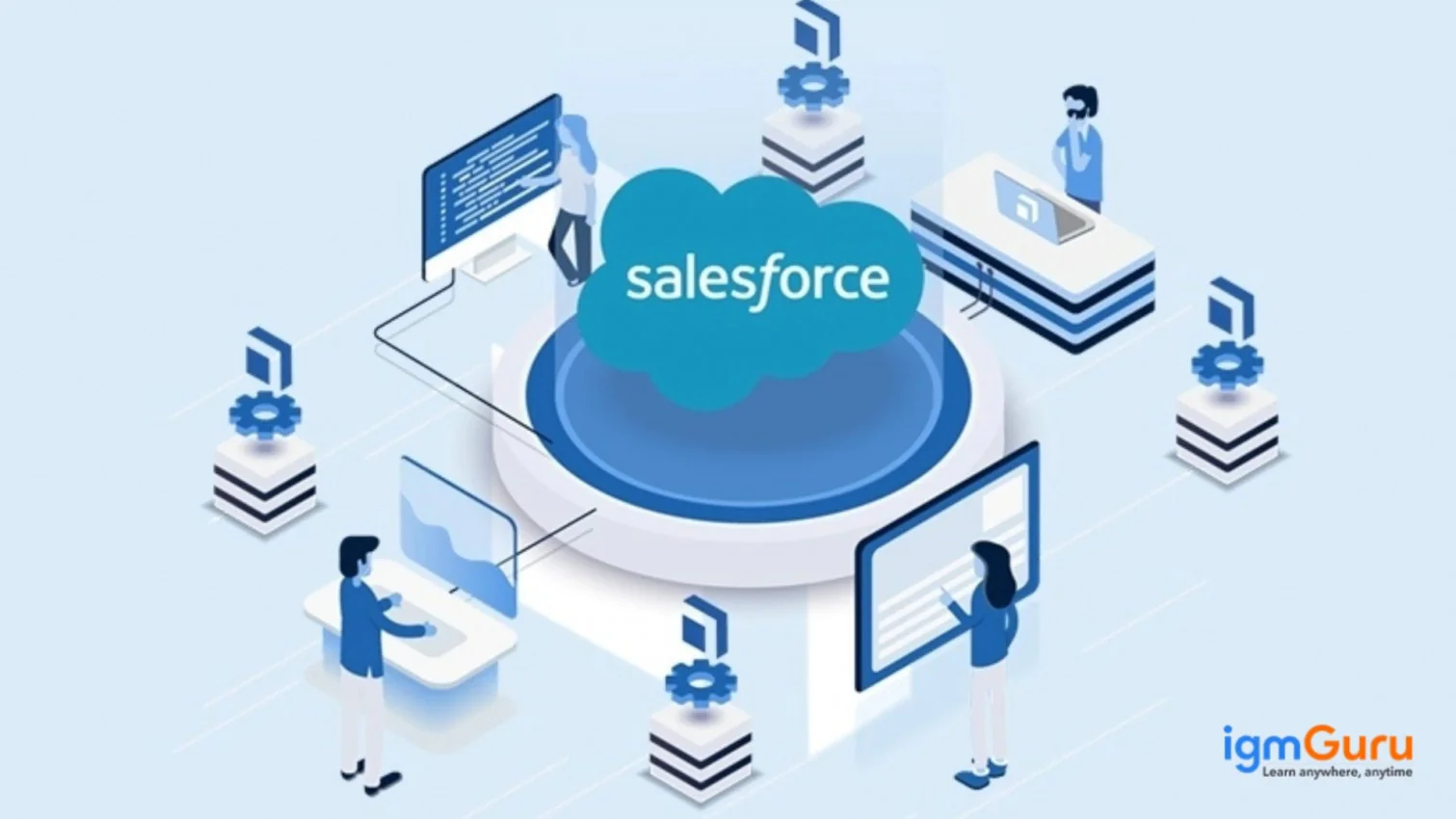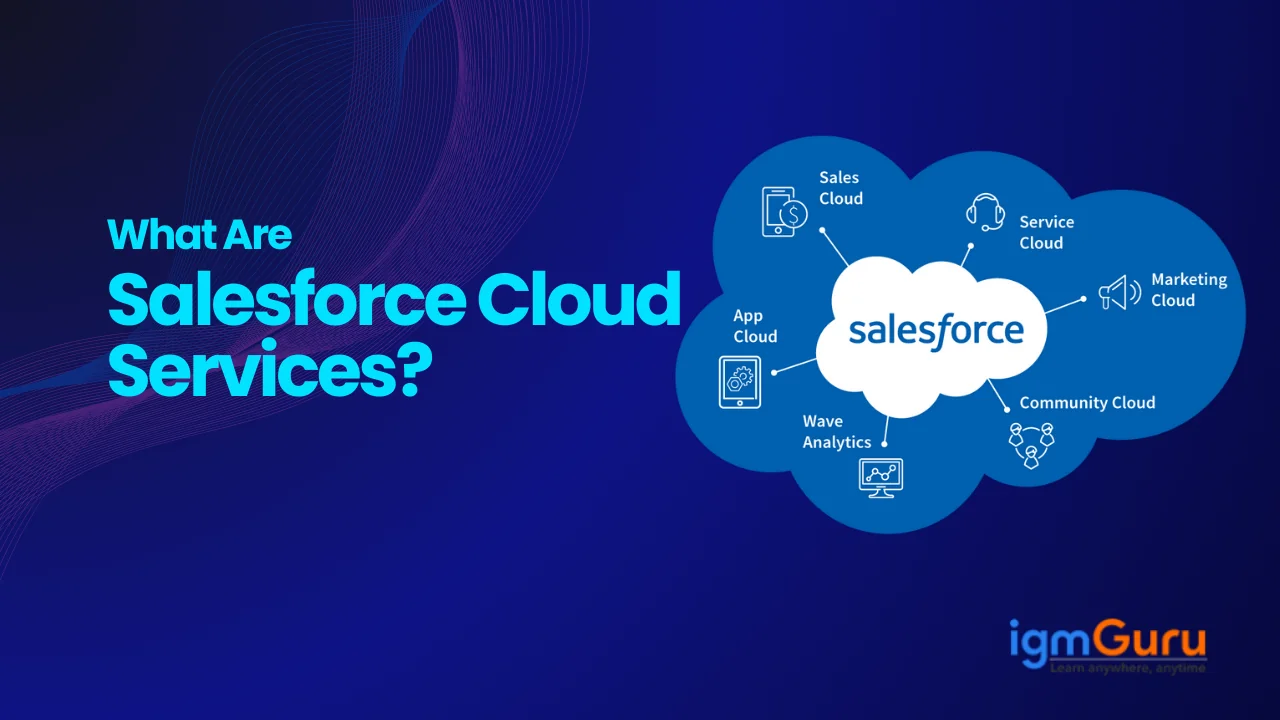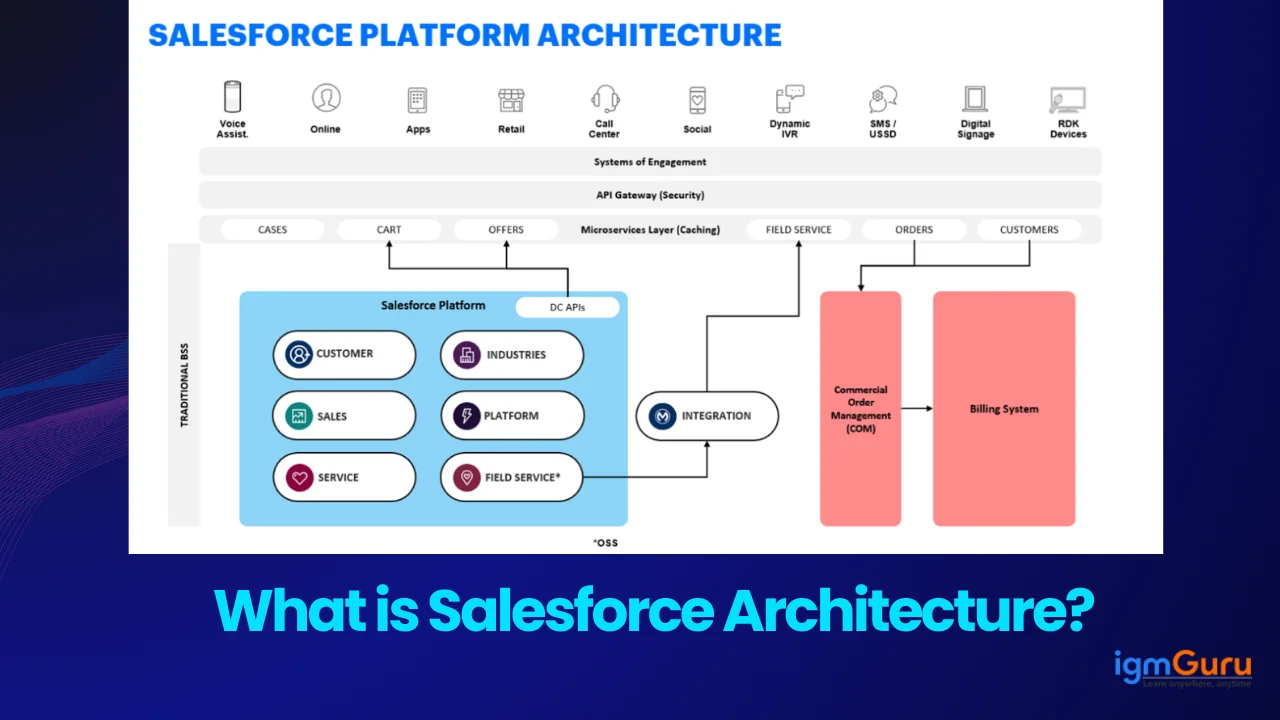
Have you ever wondered how Salesforce manages data, applications and millions of users on the same cloud platform while keeping everything secure and scalable? The answer lies in Salesforce architecture. It is the foundation that allows Salesforce to support multiple organizations, customize applications and integrate with external systems without compromising performance.
Whether you are a Salesforce developer, administrator or someone preparing to build a career in the Salesforce ecosystem, understanding its architecture can help you see how the platform actually works behind the scenes. In this blog, I will explain what Salesforce architecture is, its important terminologies and core components such as multi-tenant architecture, metadata-driven development and APIs. Let’s begin!
TL;DR
Salesforce Architecture is a metadata-driven, multi-layered framework that enables organizations to build, customize, integrate, and scale applications securely on the Salesforce platform. It belongs to the Salesforce CRM and Cloud Computing category. This blog explains what Salesforce Architecture is, the key terminologies used within the platform, and its core components, including multi-tenant architecture, metadata-driven development, and APIs & integrations, which collectively ensure scalability, flexibility, security, and seamless enterprise application development.
Salesforce architecture refers to a metadata-driven, multi-layered design framework. It provides support to the process of development and deployment of enterprise apps. It usually features a multi-tenant model, which allows multiple clients to simultaneously share resources and infrastructure efficiently. In this article, we will discuss what is Salesforce architecture.
Key components of Salesforce architecture include Visualforce for user interface (UI) customization, the Lightning framework for highly modern and responsive apps, and APEX for tailored business logic. It also presents robust APIs to facilitate seamless integration with all external systems. Comprehensive security measures are undertaken to guarantee data compliance and protection. This architecture ensures scalability, efficient resource utilization and rapid customization for businesses.
| Enroll in igmGuru's Salesforce developer training program to learn Salesforce Architecture. |
Salesforce architecture is made up of several key terminologies. All these are crucial to better understand and gradually work with the platform. These are-
It is quite important to understand all these terminologies to effectively utilize and navigate Salesforce's architecture.
| Related Article- Top Five Features Of Salesforce Marketing Cloud |
Salesforce's core architecture is crafted to deliver flexibility, seamless integration and scalability for enterprise apps. It contains three fundamental components mentioned below.
Salesforce works on a multi-tenant architecture. This means that multiple clients or tenants share the same resources and infrastructure. This model renders cost-effectiveness, streamlined updates and efficient use of resources. Each tenant's data remains isolated to privacy and security. Salesforce can scale seamlessly and centrally manage the platform. This particular approach facilitates consistent reliability and performance for all users, irrespective of the size of the data or the number of tenants.
Salesforce uses this shared infrastructure to simultaneously deliver updates and new features to all customers. Individual tenant environments are not disrupted.
Salesforce's core principle is its metadata-driven development model. It enables flexibility and rapid customization. Metadata here includes settings, customizations and configurations that outline the behavior and structure of apps. Developers and administrators don't rely on hard-coded solutions to modify the app's metadata to adapt as per the changing business requirements.
This approach limits the imperativeness for extensive coding, enabling easy upgrades and allowing continuous innovation without affecting existing functionality. Salesforce guarantees preservation of customizations during platform upgrades by segregating the app's configuration from its runtime code. This enables enterprises to maintain their individual processes while still benefiting from updated features and enhancements.
Salesforce provides a comprehensive set of APIs that enable integration with external applications and systems. SOAP, REST, Streaming APIs and Bulk are the most commonly used APIs. These help developers in accessing and manipulating Salesforce data programmatically. It ensures automation, seamless data synchronization and uninterrupted interaction between Salesforce and other platforms.
This robust API framework pushes multiple integration scenarios. For example, the REST API facilitates lightweight data manipulation and access. On the contrary, Bulk API efficiently manages gigantic data volumes. The Streaming API offers real-time data updates that are important for apps requiring live data feeds.
By using these core components, Salesforce offers a flexible, secure and powerful platform. The goal is to build and deploy enterprise applications seamlessly. This architecture promises adaptability, seamless integration and scalability.
You can also read: Salesforce interview questions and answers
Salesforce database architecture is a must to meet evolving need of businesses. Its multi-layered structure, including cloud services, data management, and customizable applications, ensures seamless integration, enhanced security, and flexibility all the time.
Explore These Trending Articles:
Course Schedule
| Course Name | Batch Type | Details |
| Salesforce Certifications | Every Weekday | View Details |
| Salesforce Certifications | Every Weekend | View Details |