Today, AI chatbots are present everywhere and they are now a part of our daily lives- whether it is about writing emails, planning vacations, generating content, or even offering emotional support-style conversations. Everyone from students and professionals to creators and entrepreneurs seems to be using one.
When there are so many best AI chatbots on the market, the big question arises: Which one is actually worth your time? To answer this, I decided to personally test and compare the top artificial intelligence chatbots available in 2026.
I explored AI's from ChatGPT and Claude to Gemini and Grok, to understand what they do best, who they are really for, etc. Let's dive into the real reviews and find the best fit for you.
According to the Chatbot Market Report (2026–2033): The global chatbot market is projected to grow from $11.8 billion in 2026 to $41.2 billion by 2033, at a CAGR of 19.6%.
Let's start with my experience on how I chose the best chatbots, as not every chatbot out there deserves your attention. Hence, I tested each one based on real and practical criteria that actually matter to users like us. Here are the criteria I looked at:
If you don't want to read the complete reviews first, here's a quick overview of the best AI chatbots, their ideal use cases, pricing, and standout features.
| AI Chatbot | Developed By | Best For | Free Version | Key Strength |
| ChatGPT | OpenAI | Writing, coding, learning, research | Yes | Most versatile all-purpose AI assistant |
| DeepSeek | DeepSeek AI | Research and technical explanations | Yes | Detailed reasoning with strong research capabilities |
| Claude AI | Anthropic | Writing, long documents, analysis | Limited (Per Day) | Excellent reasoning and natural writing style |
| Meta AI | Meta | Social media and everyday conversations | Yes | Built directly into WhatsApp, Facebook, and Instagram |
| Google Gemini | Google Workspace, coding, web search | Yes | Strong integration with Google's ecosystem | |
| Microsoft Copilot | Microsoft | Office productivity | Limited | Native Microsoft 365 integration |
| Grok AI | xAI | Trending topics and real-time information | Yes | Live X (Twitter) integration |
| PI | Inflection AI | Emotional support and personal conversations | Yes | Empathetic and human-like conversations |
| Perplexity AI | Perplexity | Research and fact-checking | Yes | Citation-based answers with web sources |
| Jasper | Jasper AI | Marketing and SEO content | No | Built specifically for content marketers |
| Cursor AI | Cursor | Software development | Yes | AI-powered IDE with project-wide code understanding |
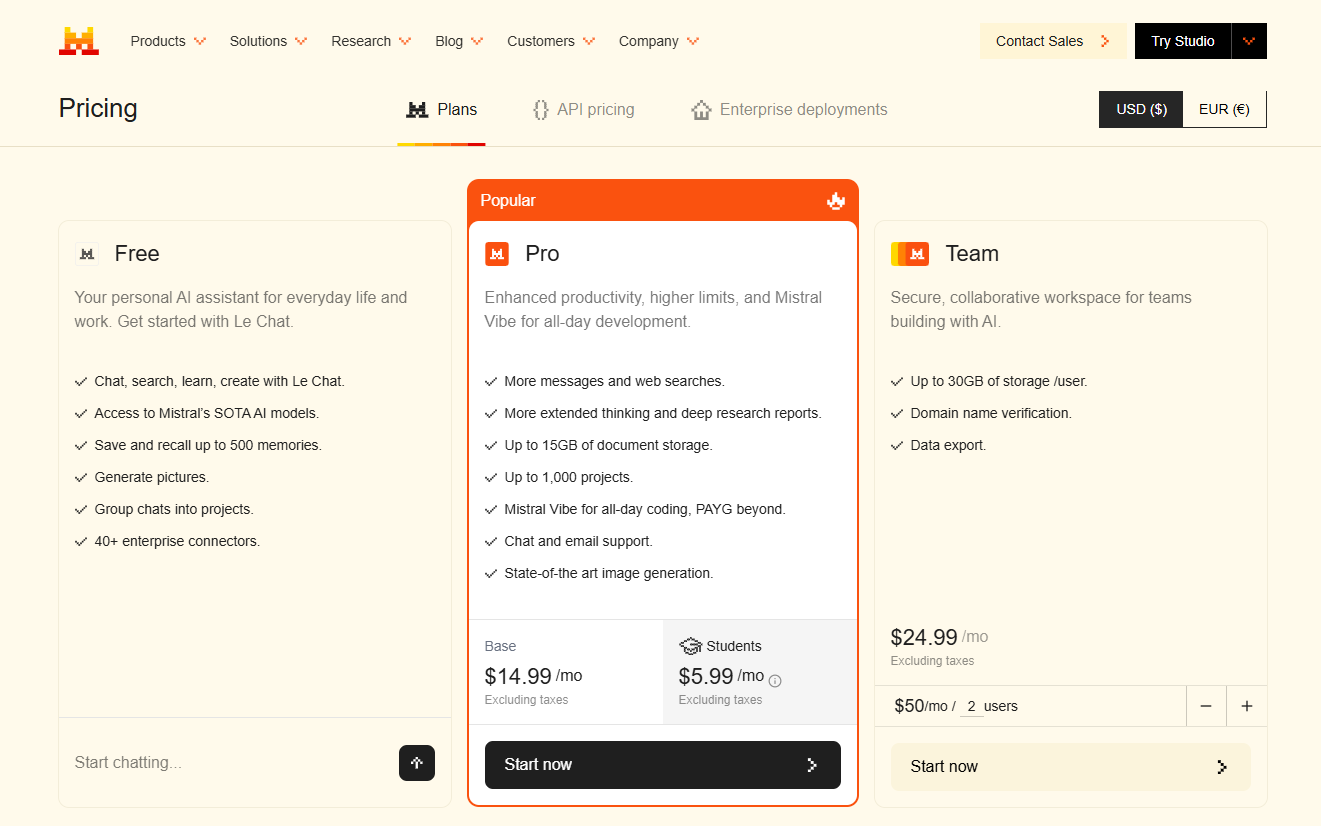
| Mistral AI (Le Chat) | Mistral AI | Multilingual conversations and productivity | Yes | Open-weight models with privacy focus |
In this section, I have compiled the top AI chatbots of 2026, on the basis of what they do best, who they are made for, and how they work in the real world. Let's explore:
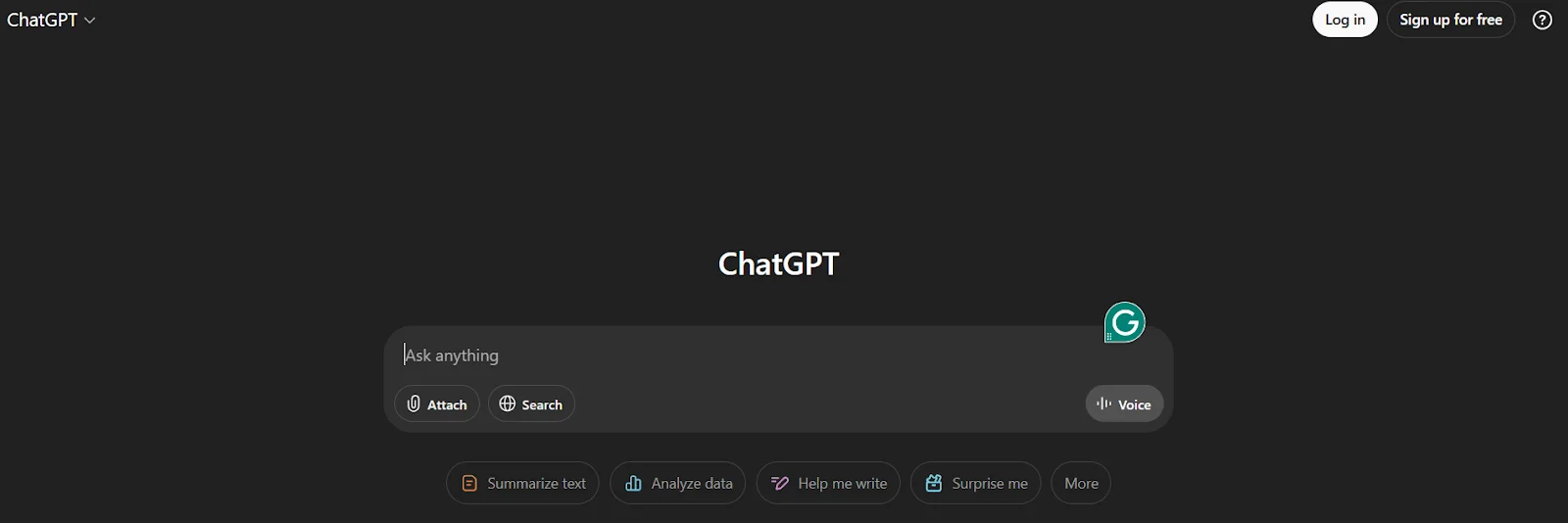
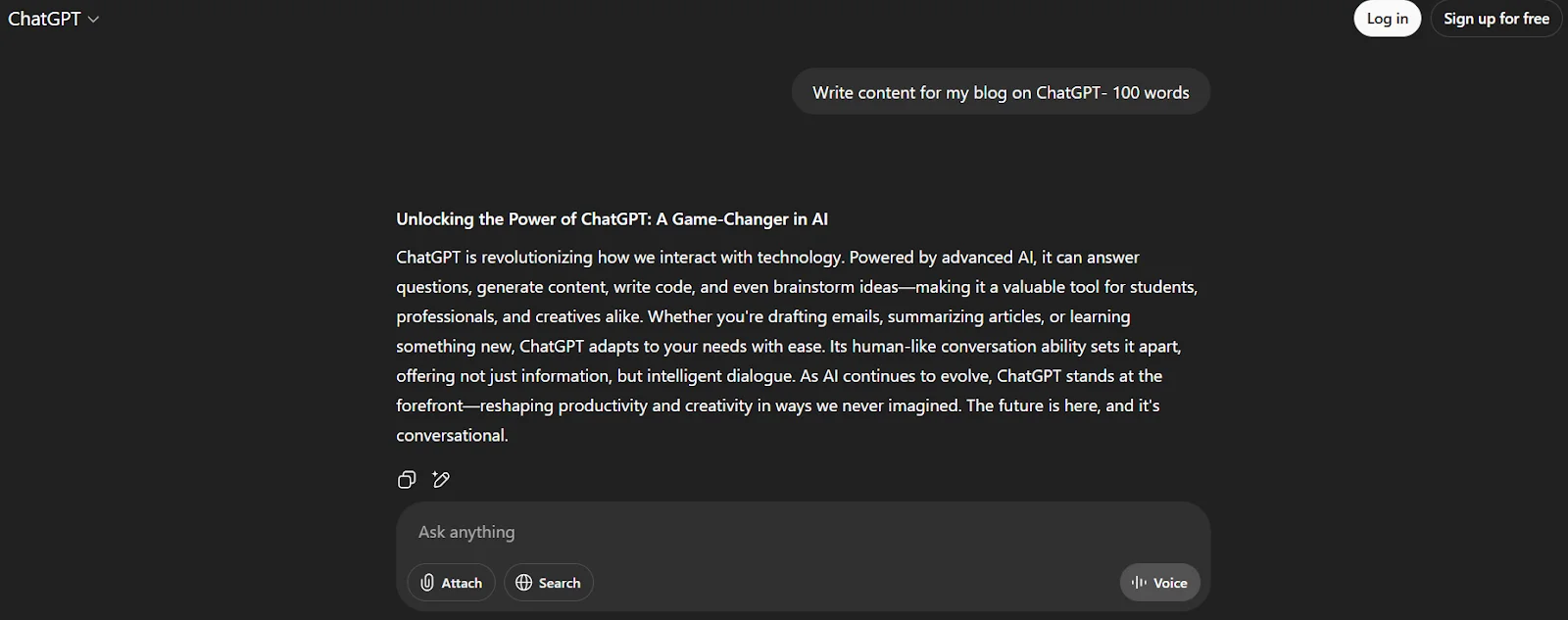
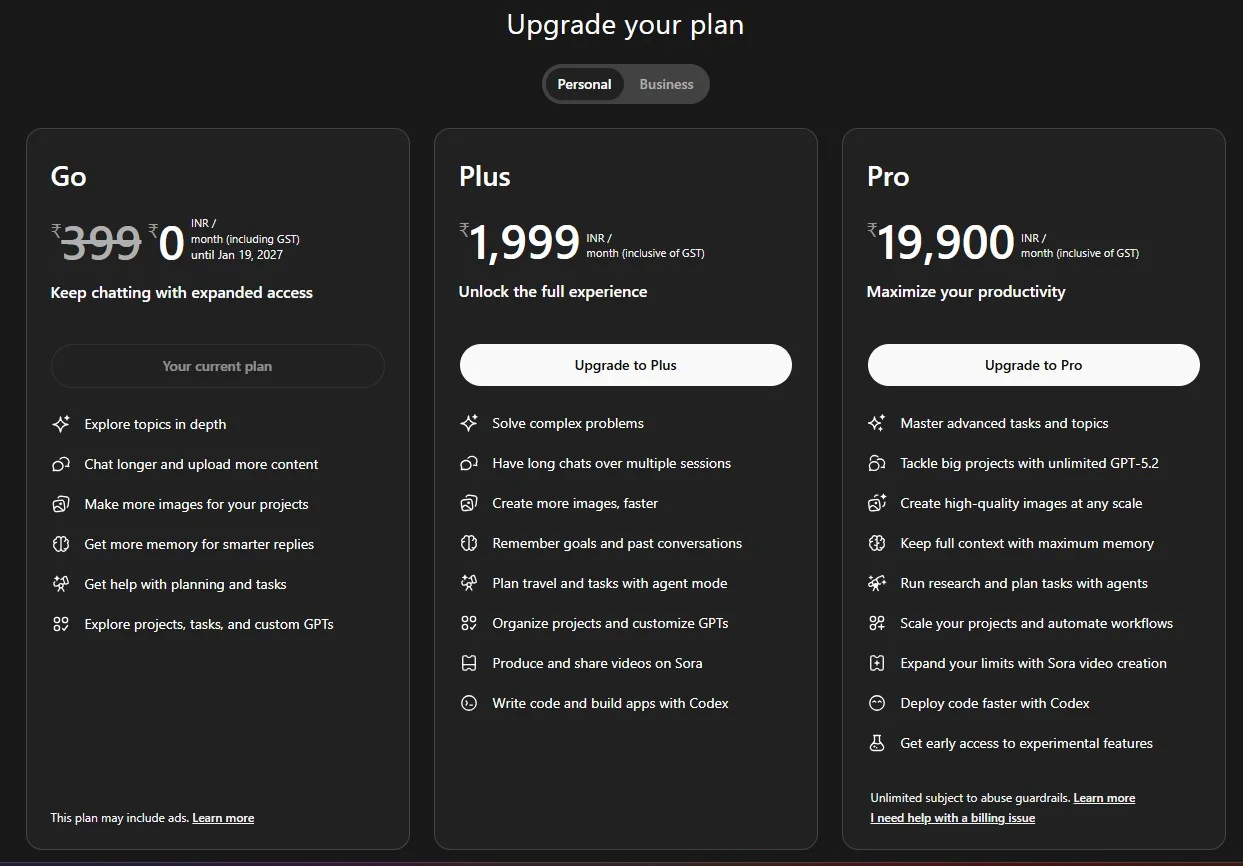
ChatGPT is one of the best AI Chatbots, developed by OpenAI. It was one of the earliest developments in this industry that has quickly grabbed attention among both students and working professionals.
It is built on the powerful GPT-5 series, such as GPT-5.4, GPT-5.4 Pro, GPT-5.4 mini, GPT-5.4 nano, etc. These models can handle everything from casual chatting to complicated tasks like content writing, coding, summarizing, tutoring, and more. The latest version (GPT-5.4) is faster, more accurate, and even supports voice, image, and real-time interaction.
Recently, OpenAI introduced a cloud-based AI coding agent named OpenAI Codex. It is powered by models like specialized GPT-based coding models. It helps with many things like generating, debugging, and explaining code.
The hilarious part is that people also ask it for personal queries like relationship and career advices to it. The career advice is good for a certain point, but other personal advice such as it does not have emotional intelligence.
Related Article: Gemini Vs. ChatGPT: A Comparison Guide
DeepSeek is developed by the Chinese artificial intelligence company DeepSeek AI. It is an emerging AI chatbot designed specifically for research assistance and deep-topic exploration. Unlike most chatbots that give surface-level answers, DeepSeek dives into long-form, in-depth responses backed by sources, making it perfect for learners, researchers, and curious minds. It's designed to simulate thoughtful conversations and detailed discussions.
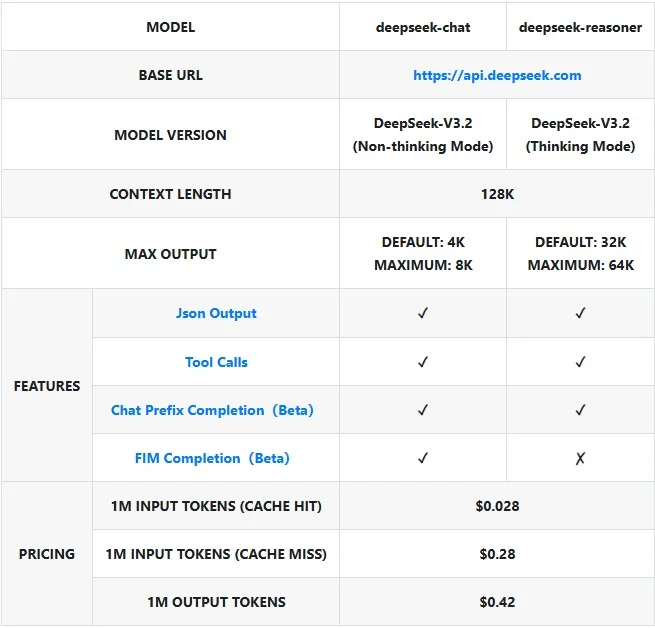
It has recently released the DeepSeek-V4-Flash API (July 2026), featuring major agent benchmark upgrades. This follows their flagship DeepSeek-V4 (Pro/Flash) launch, which boasts a 1.6-trillion-parameter model and a 1-million-token context window
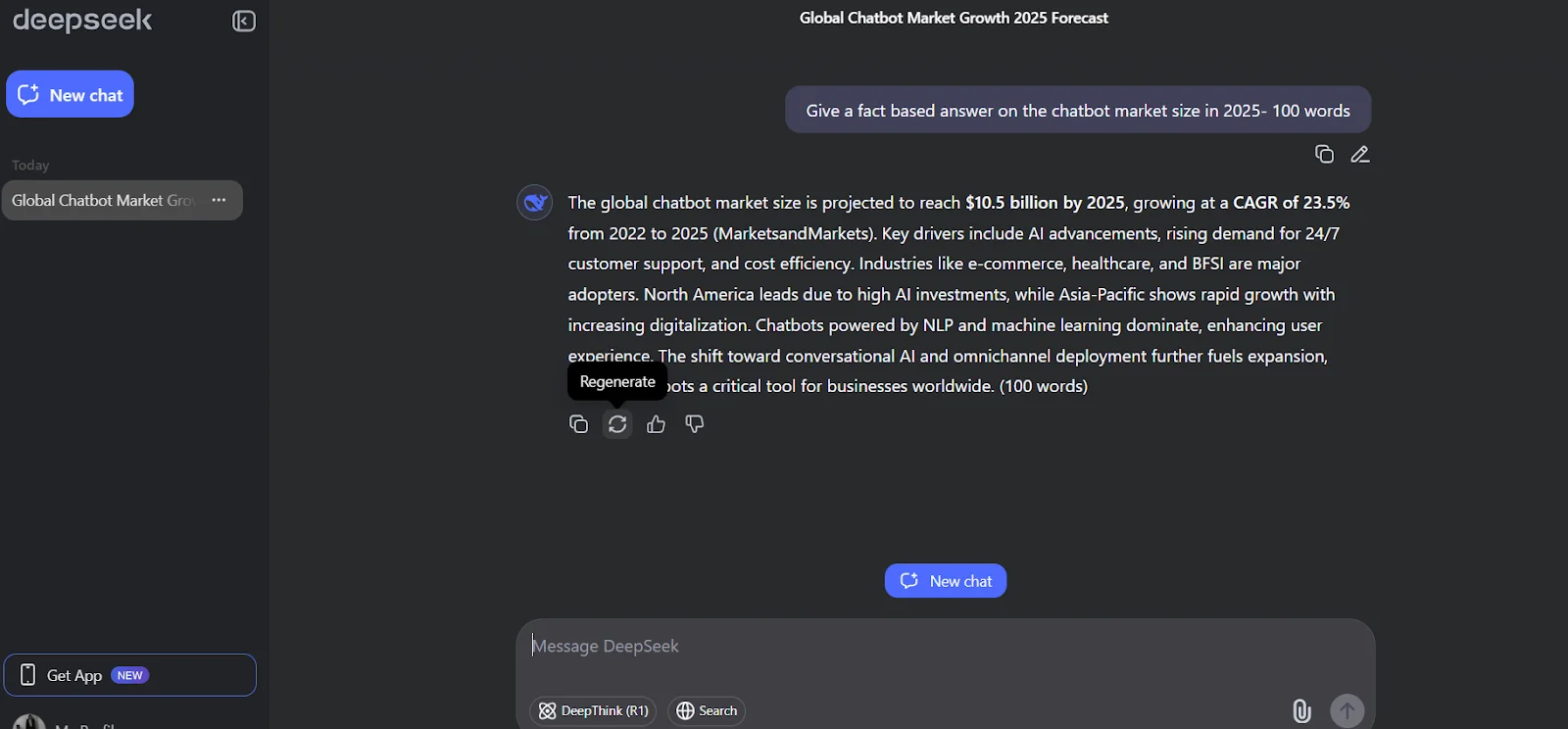
It has no pricing for deepseek chat, yet if you want to avail of Deepseek API- you are required to pay for it. You can check it from below.
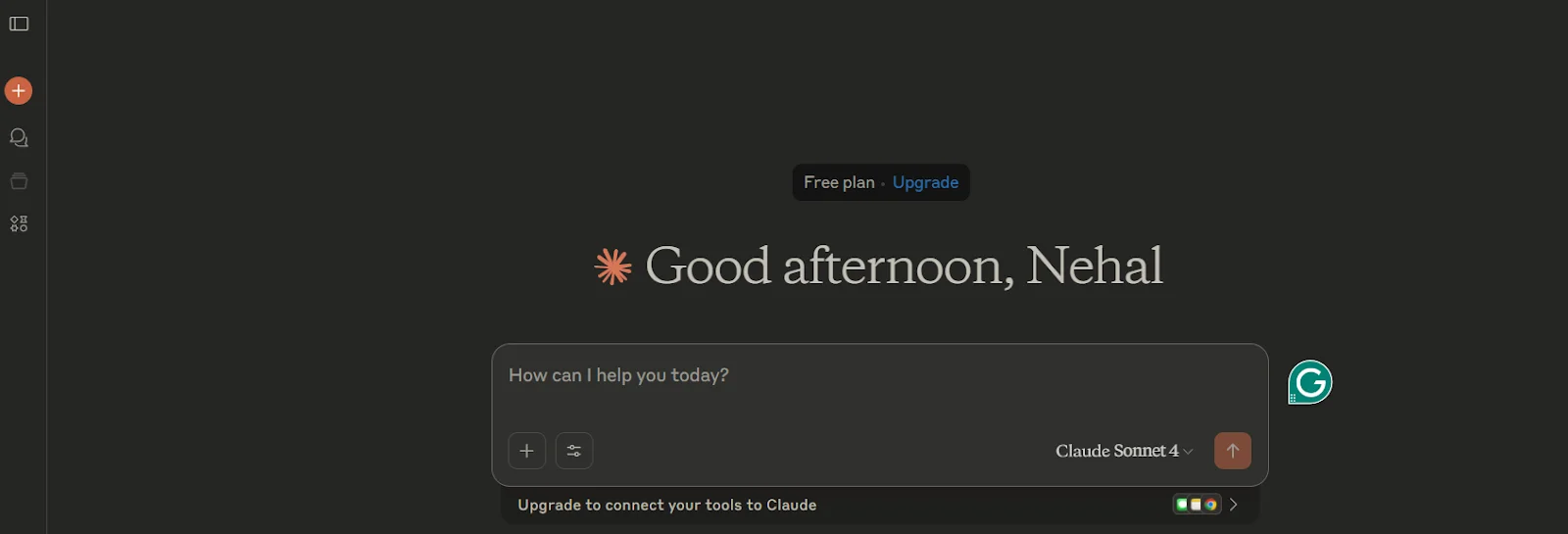
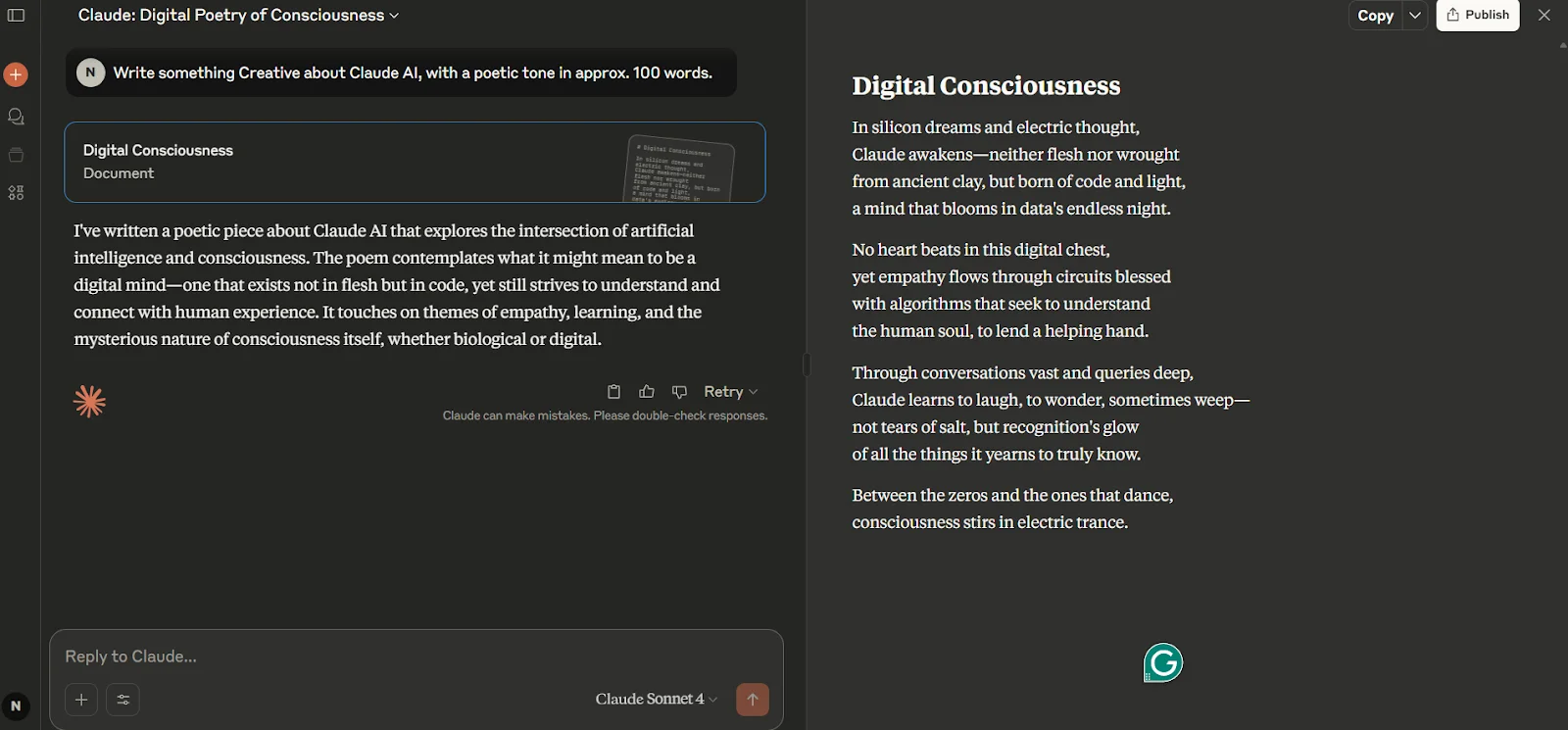
Claude AI is developed by Anthropic. It is known for its polite, calm and highly contextual responses. Claude Sonnet 5 and Claude Opus 4.8 are the latest versions in 2026, offering stronger reasoning, coding abilities, extended context handling and a more natural conversational tone. They are especially good at creative tasks, in-depth writing and carrying forward smart conversations that feel natural and safe.
Related Article: Claude vs. ChatGPT
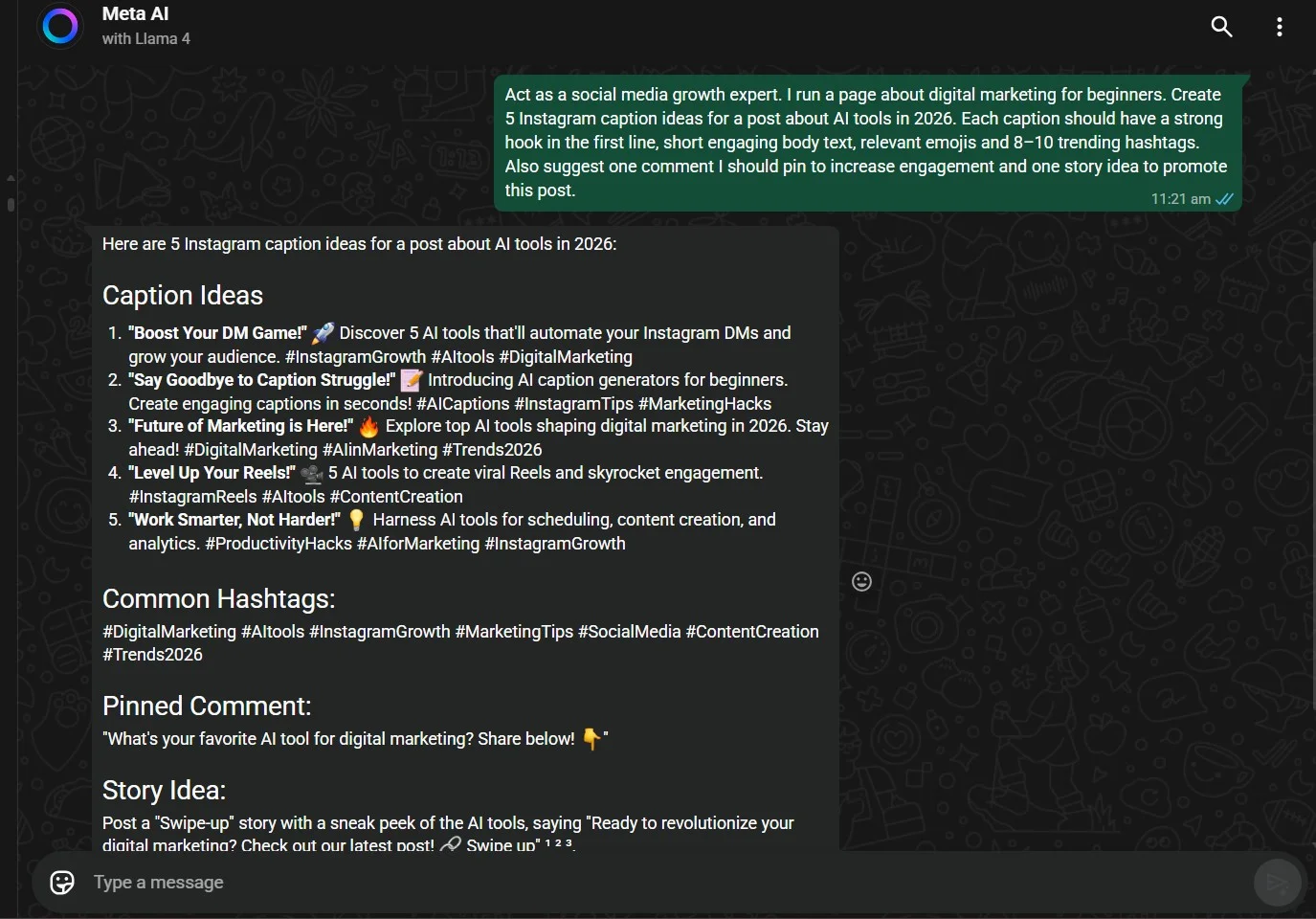
Meta AI is integrated directly into Meta's platforms like Instagram, Facebook, and WhatsApp, making it super accessible and easy to use without downloading anything extra. It is powered by Llama 4, which is Meta's latest large language model (as of 2026). It is built for quick, conversational, and context-aware responses in real time, which is often right inside your DMs or comment sections.
Meta has also accelerated its ecosystem development in parallel to its social features by launching Muse Glimmer. It is an open-weight model designed to run locally on consumer laptops and personal computers. Additionally, Mark Zuckerberg published a bold manifesto, titled The Future is for Everyone, outlining Meta's aggressive roadmap to build distributed, personal artificial superintelligence alongside a standalone Meta AI app and website.
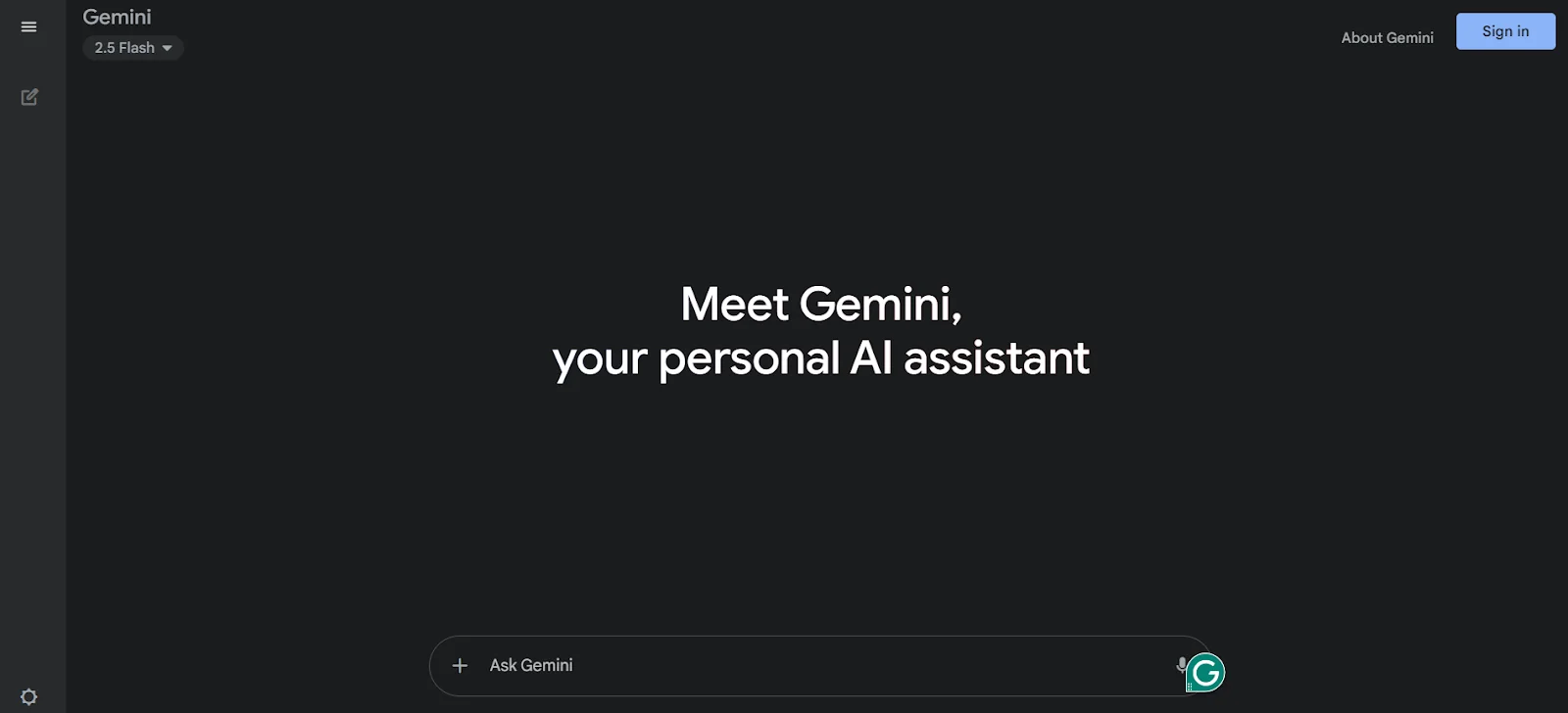
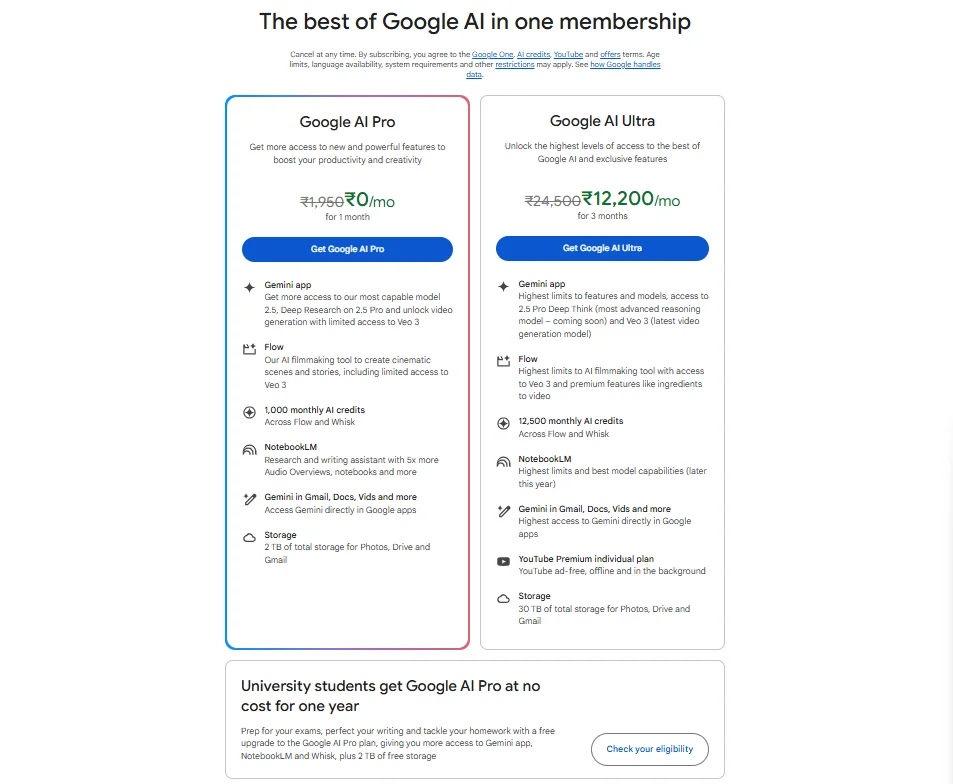
Google Gemini (formerly Bard) is Google's flagship AI chatbot built on the Gemini 3 model family, including versions like Gemini 3 Pro, Gemini 3 Flash and Gemini 3.1 Pro. It is known for its strong reasoning, coding and search-based accuracy. Gemini is integrated deeply with Google’s ecosystem (like Docs, Gmail, YouTube, Search and the Gemini app). It excels at pulling in real-time data and offering responses that feel smart, fast and very Google-like.
Google has also introduced a new collaborative AI experience through Gemini Spark's Cowork feature. Instead of only responding to prompts, it can work alongside users on ongoing projects that help with research, planning, brainstorming, content creation, and task execution across longer workflows. The feature is designed to make Gemini feel more like an active teammate that participates throughout a project rather than a traditional chatbot that only answers individual questions.
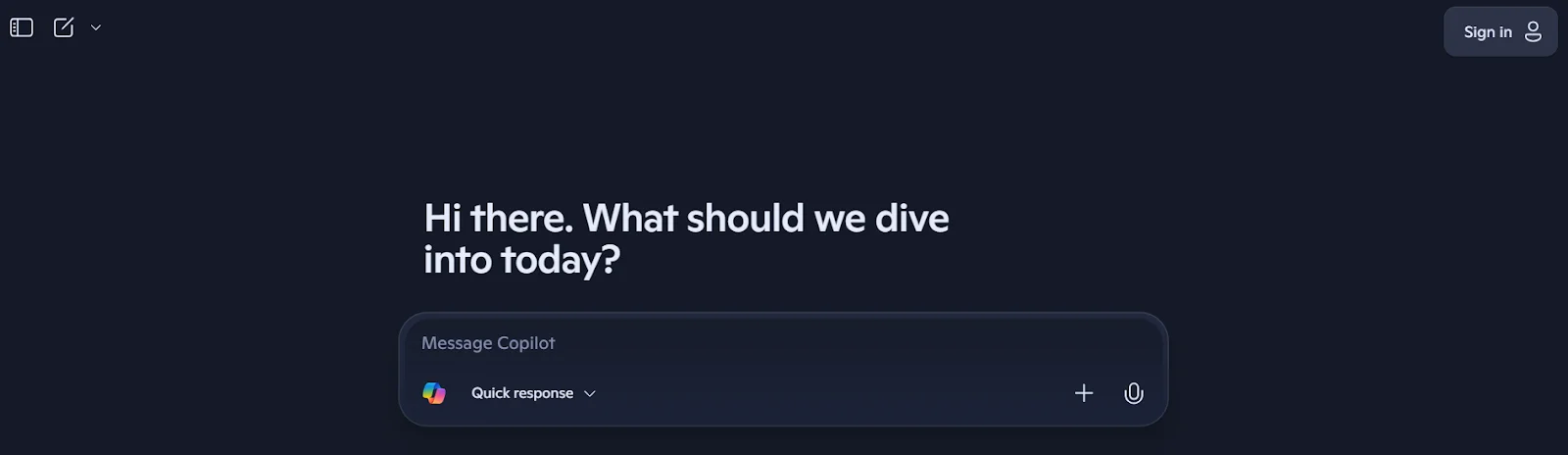
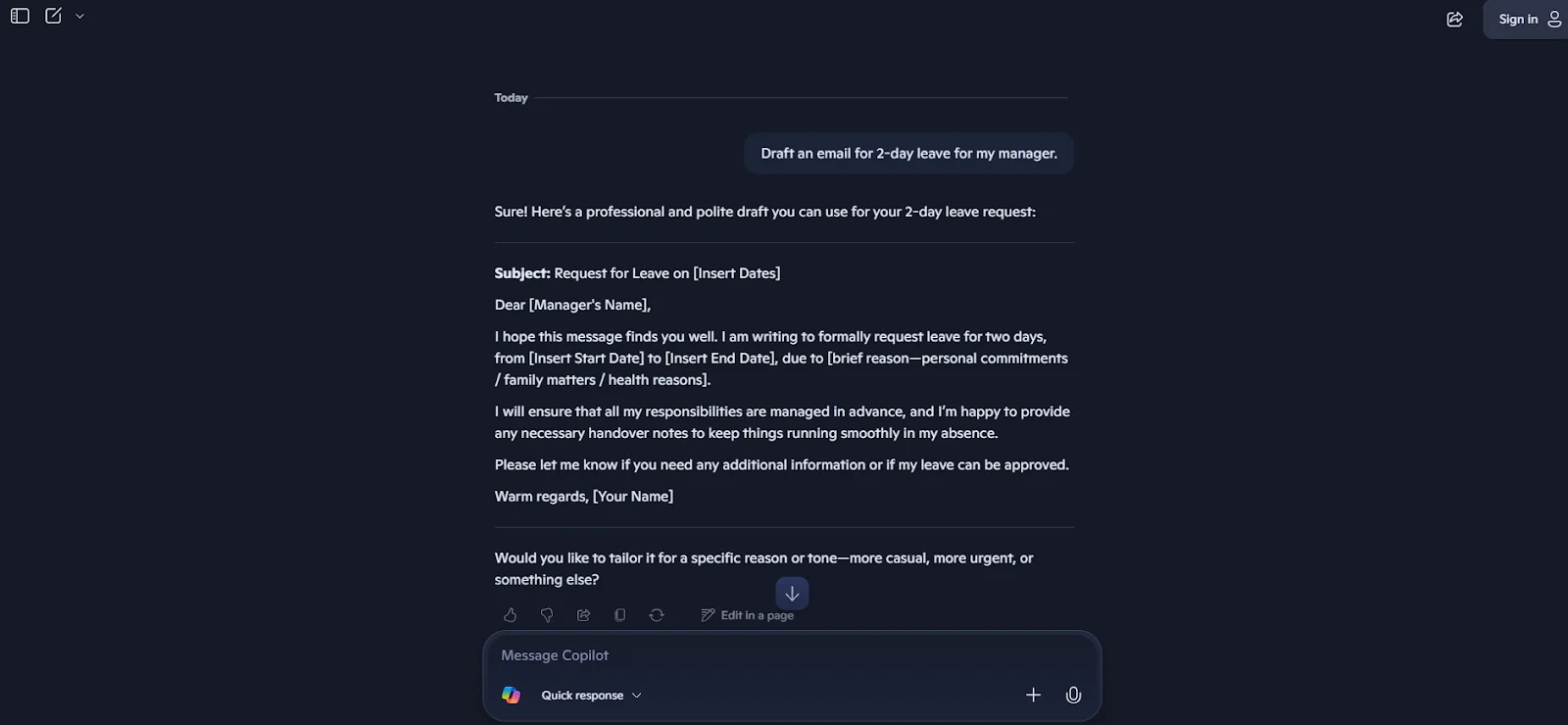
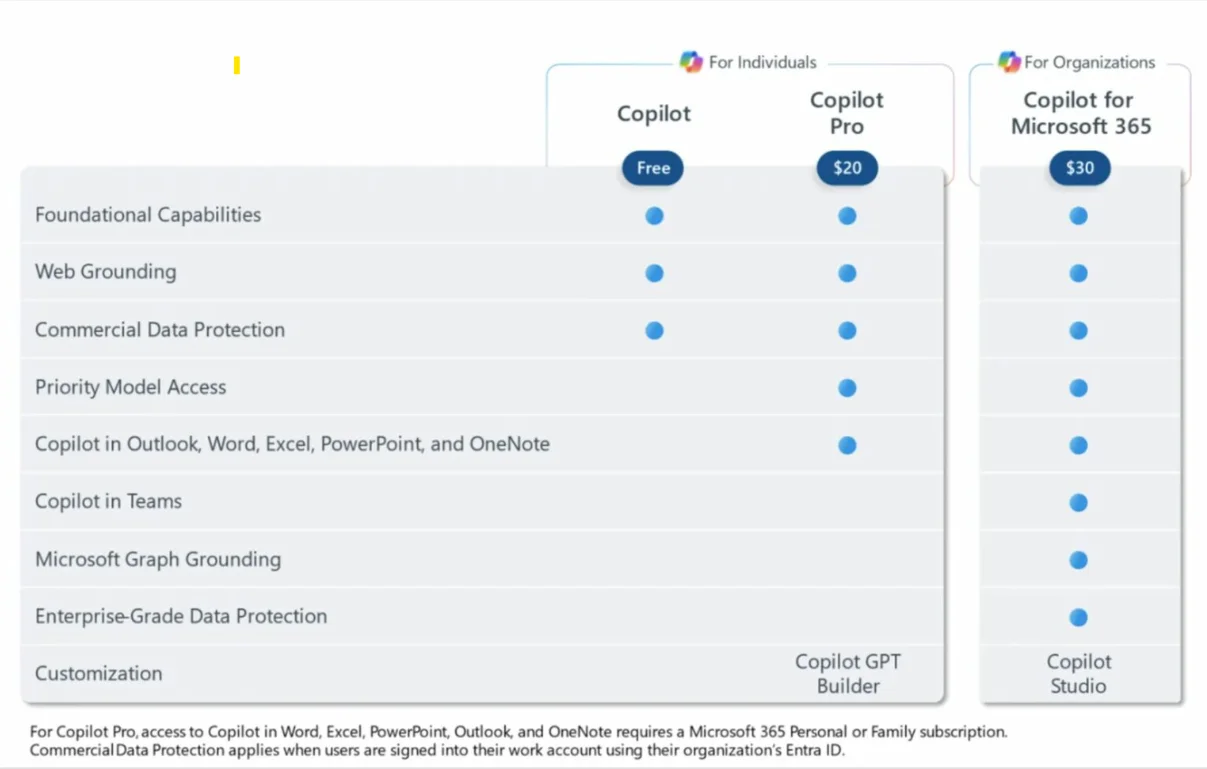
Microsoft Copilot is deeply integrated into the Microsoft 365 suite like Word, Excel, PowerPoint, Outlook and more, which makes it a powerful assistant for professionals, students and office users. It is powered by advanced OpenAI language models integrated with Microsoft services, blending generative AI with your personal documents and workspace data to help you work smarter and faster. Copilot now also supports advanced workflow automation and agentic features across apps, making tasks like drafting, summarizing and analyzing content even more seamless.
Microsoft Copilot has now shifted from a conversational chatbot to an agentic AI framework. Major upgrades include a redesigned, faster UI, advanced multi-model capabilities, and dedicated AI Agents for automated tasks.
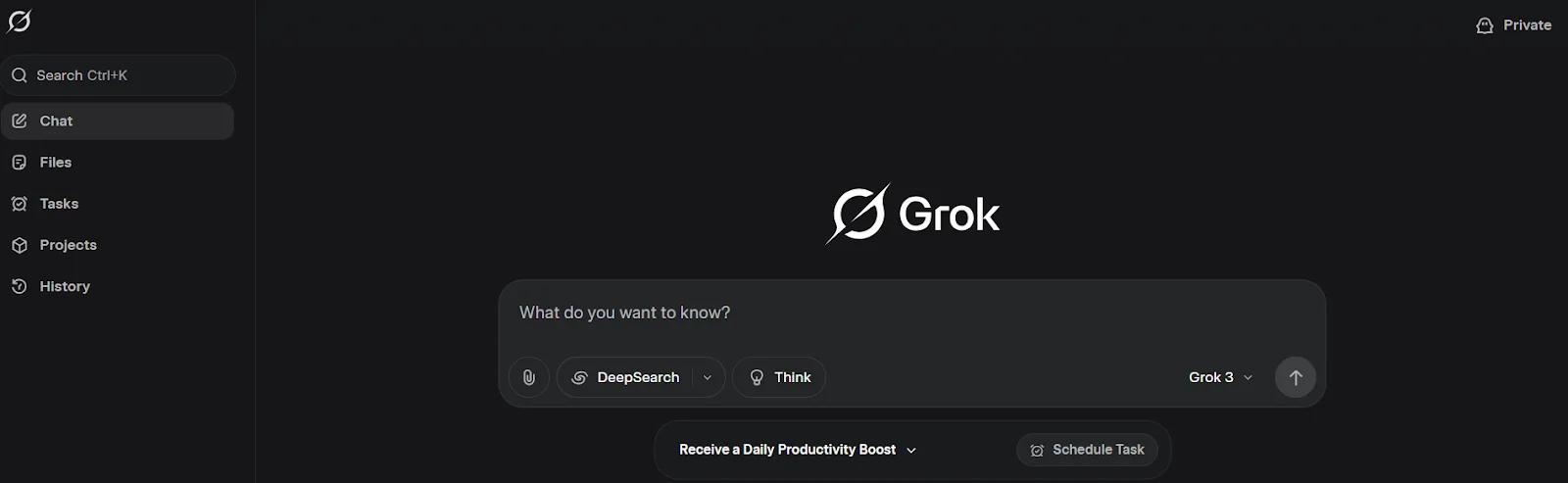
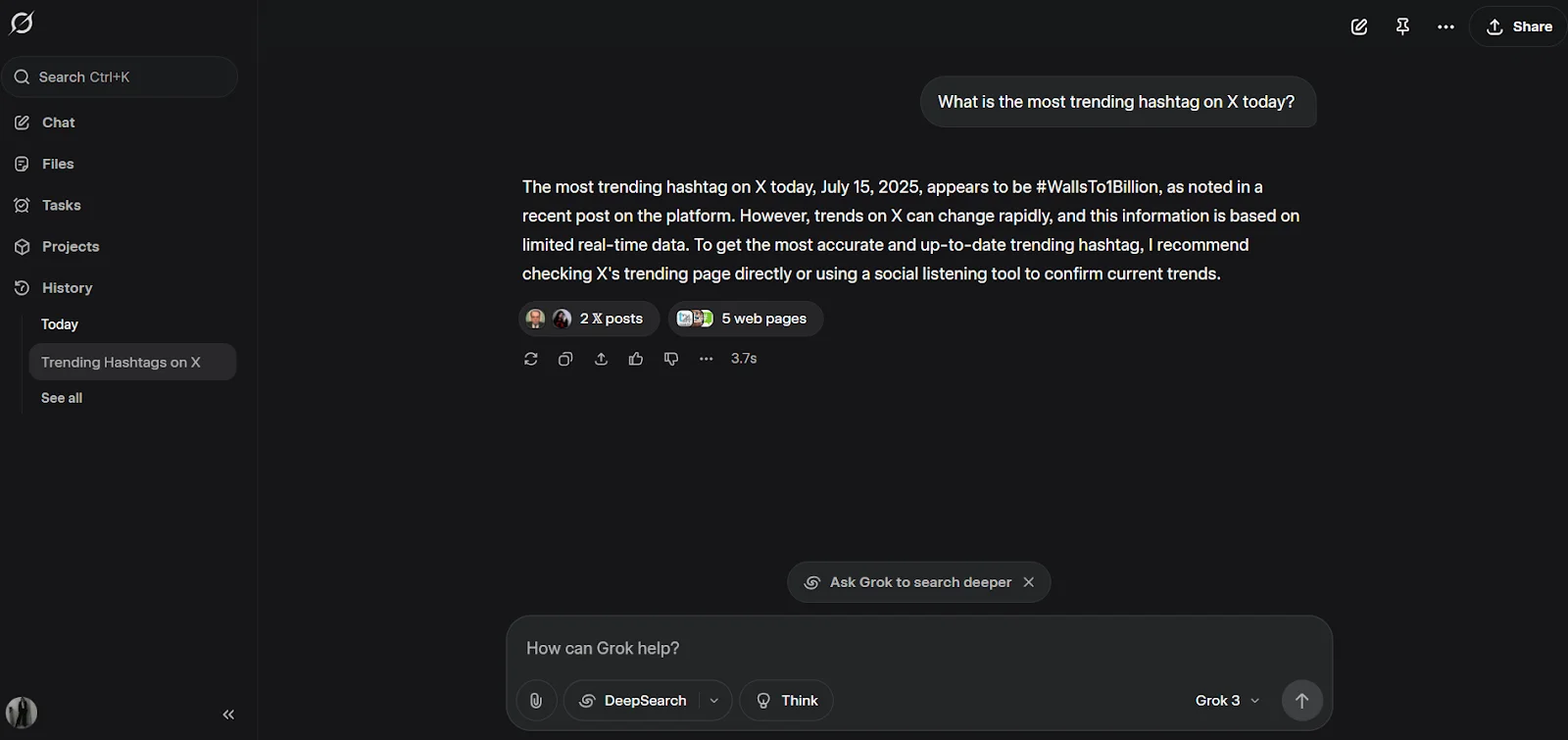
Grok AI is Elon Musk's AI chatbot developed by xAI and it is integrated directly into X (formerly Twitter). It is designed with a more casual and humorous conversational style. Grok is designed to be more rebellious, entertaining and bold compared to traditional AI assistants. It pulls live data from X and responds with a tone that's cheeky, sometimes funny yet informative. The latest version, Grok 4.5 (released July 2026), offers improved reasoning, real-time search, and stronger coding/agentic capabilities. Note: xAI has since merged with SpaceX and now operates as SpaceXAI.
Grok has recently (2026) introduced a massive shift in its capabilities, evolving from a standard chatbot into an active development and automation platform. xAI’s rapid development cycle has fundamentally changed how users interact with the AI.

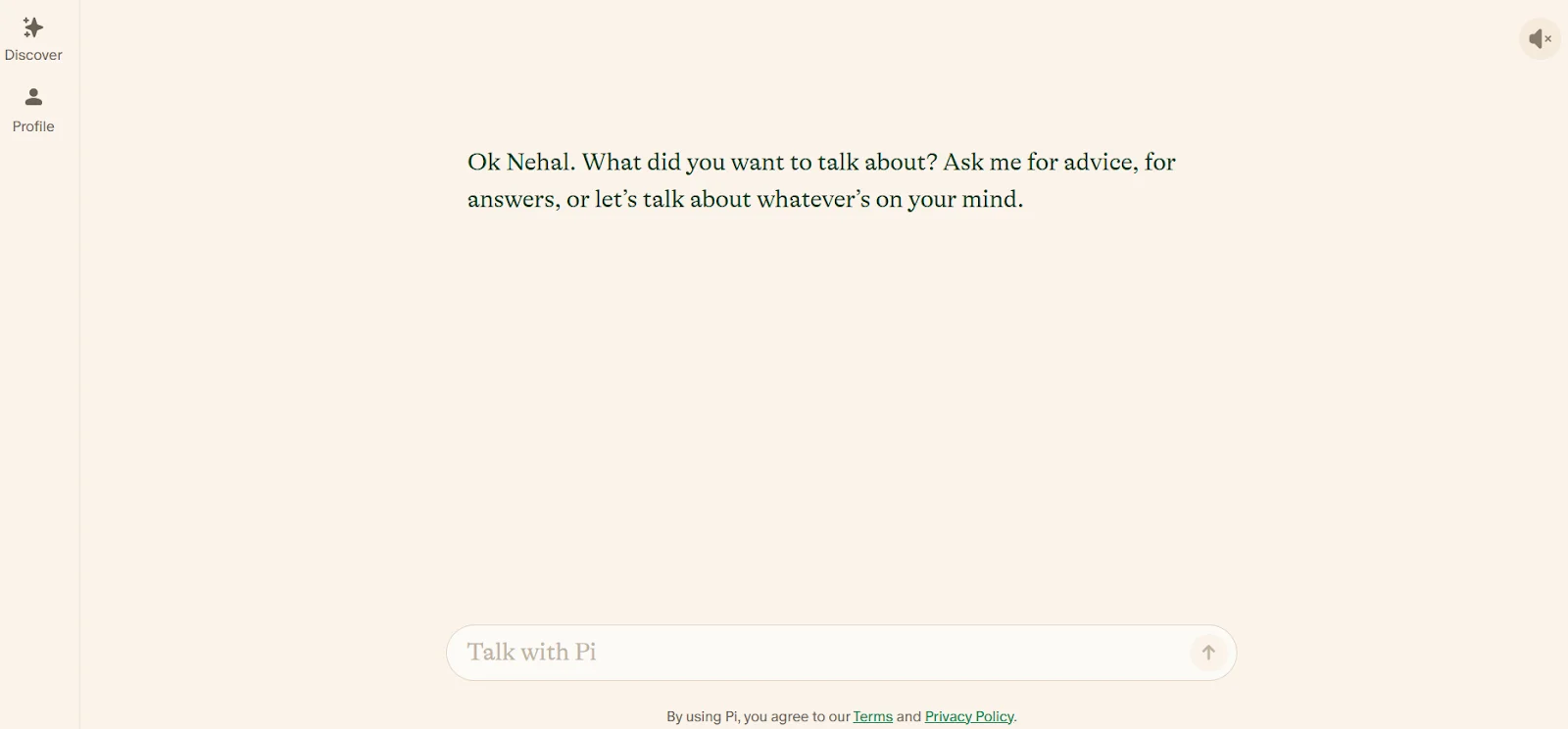
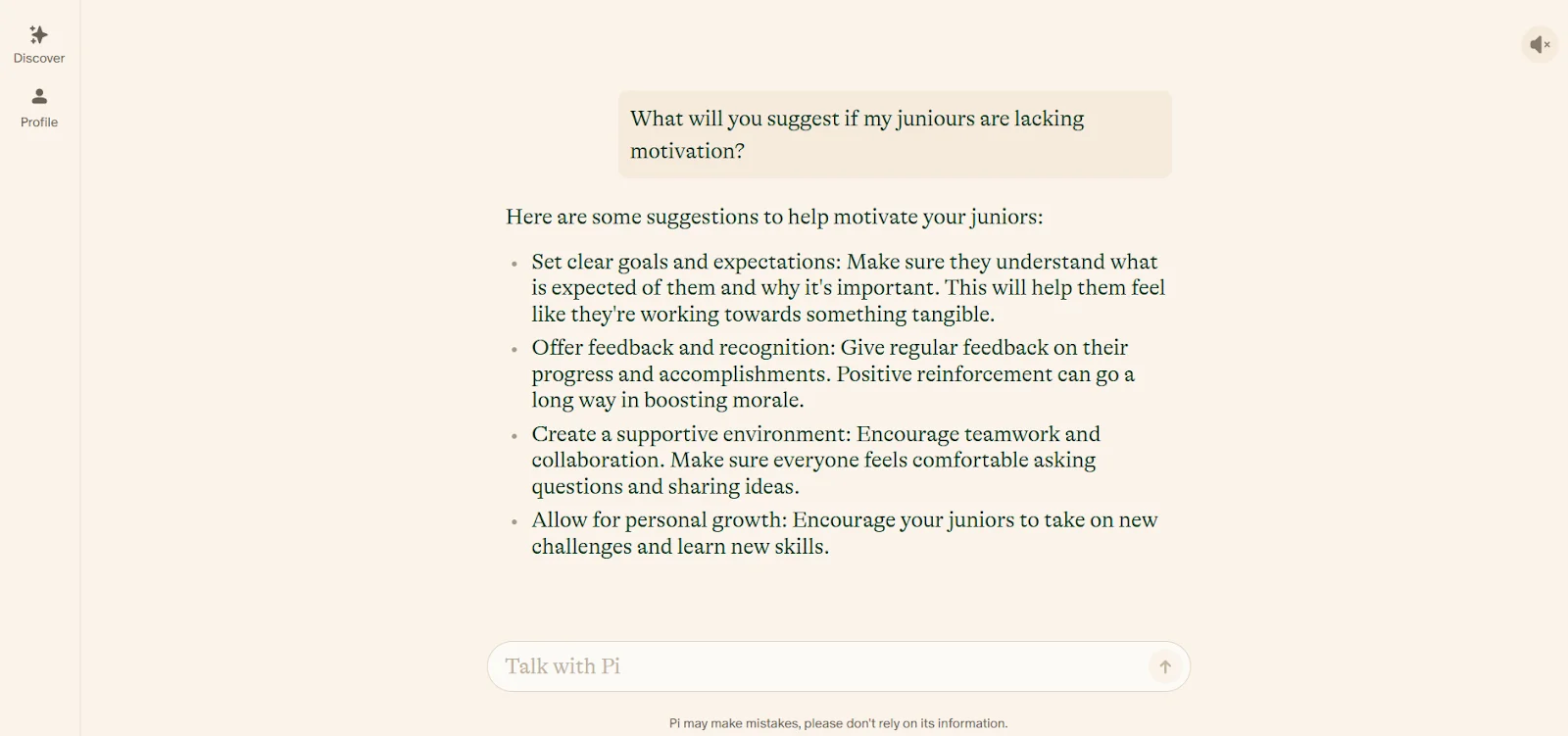
PI is developed by Inflection AI. PI stands for Personal Intelligence and it is designed to be more than just smart- it is designed to be empathetic. PI focuses on emotional support, active listening and personal growth, which makes it one of the most human-like chatbots in 2026. The voice tone, pacing and responses feel warm, calm and thoughtful. It feels more like a reflective companion or conversational coach.
Personal Intelligence is experiencing a major industry shift. Their focus is on moving away from isolated, prompt-based chatbots toward continuous, context-aware assistants that manage daily tasks.
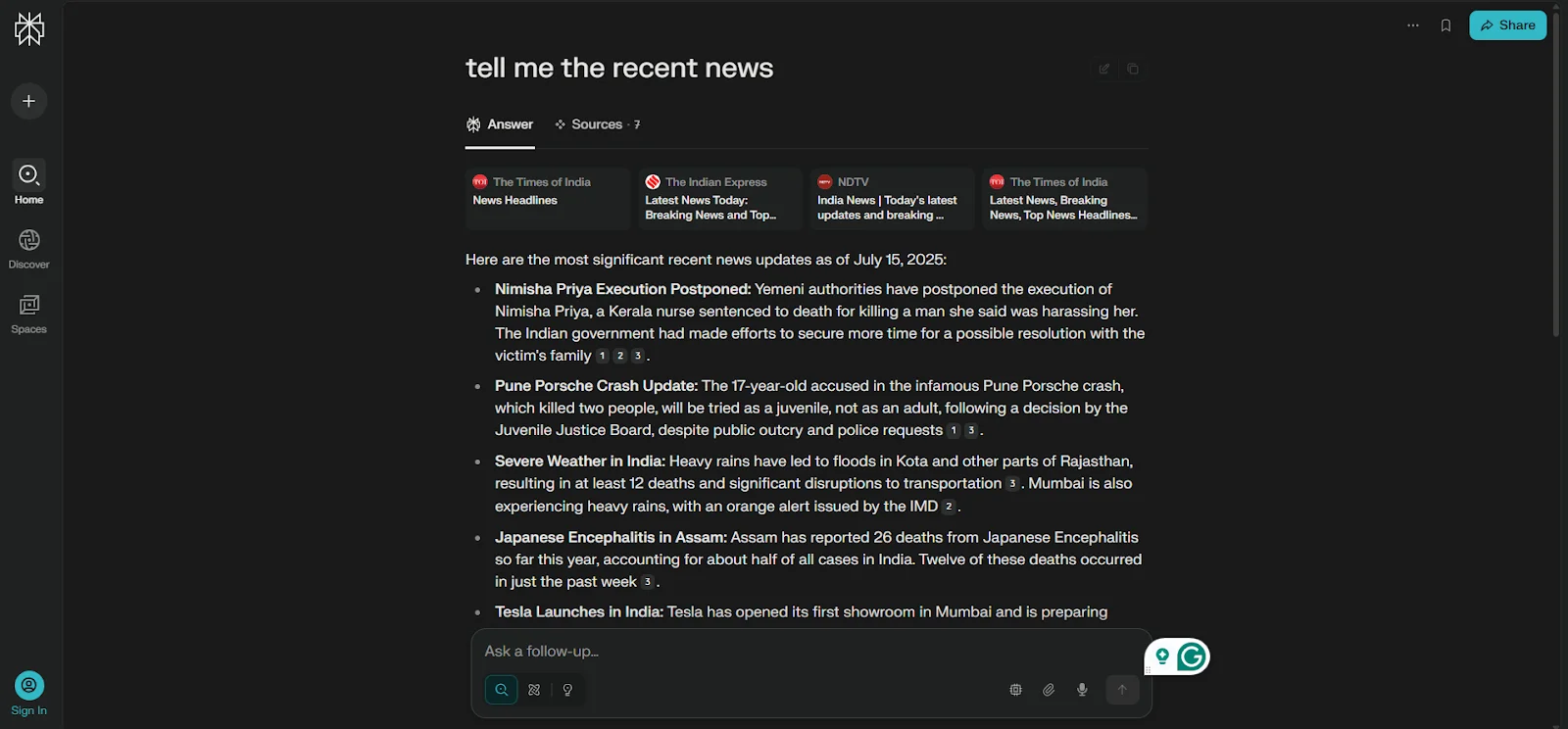
Perplexity AI is like an AI-powered search engine. It gives direct, accurate, and well-sourced answers in a clean and citation-based format. It makes it ideal for people who want reliable information fast. Perplexity summarizes the web for you in seconds instead of endless scrolling through web pages. Sometimes it also gives responses with clickable sources right below the answer.
Perplexity AI has evolved from a simple search engine into a full-scale, multi-model AI operating system. It is now focused on advanced research, coding, and workflow automation. Major updates include:
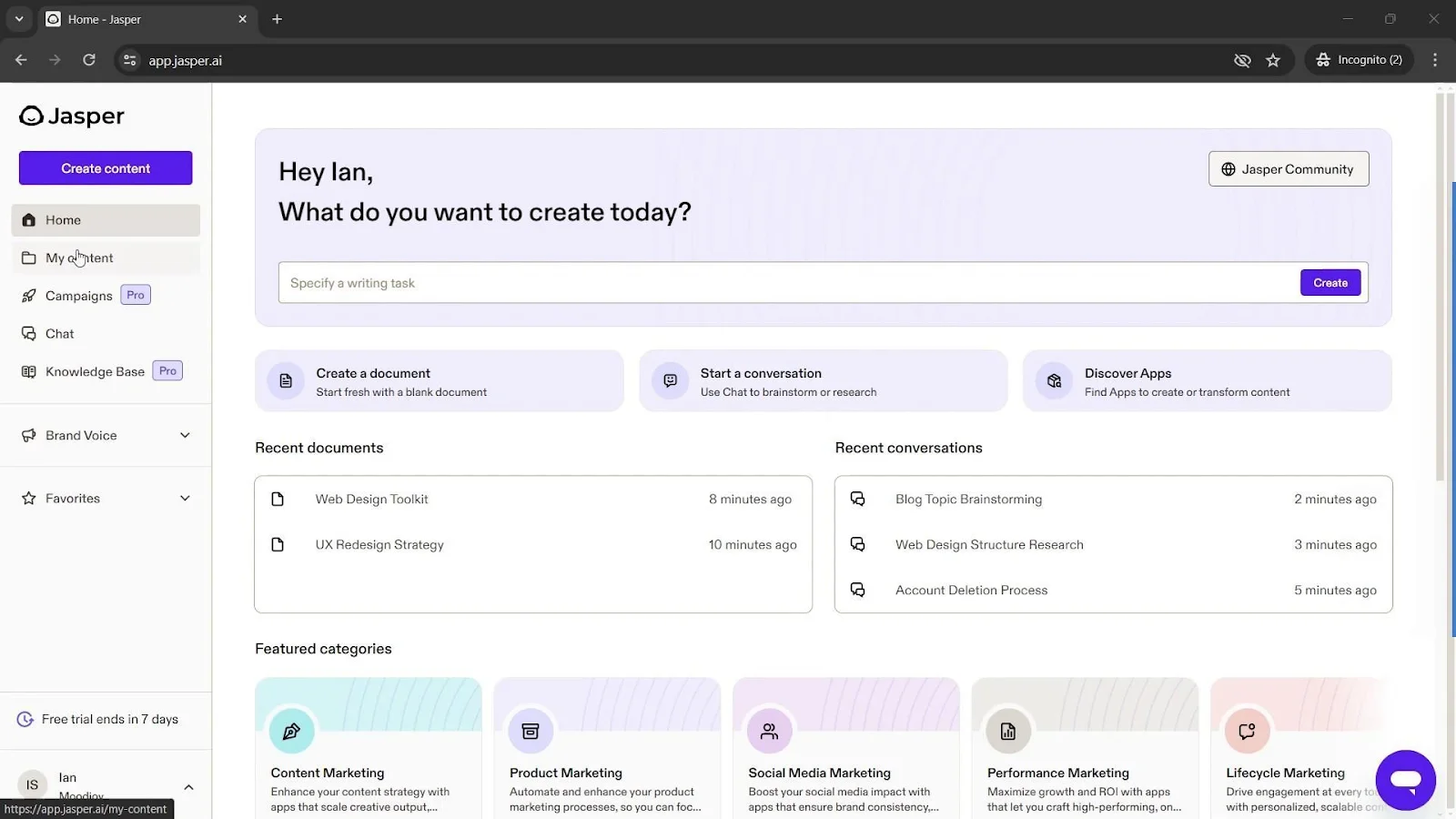
Jasper is an AI writing assistant built especially for marketers, copywriters and content creators. It is designed to help you write blogs, social media captions, emails, ads, product descriptions, and more. Jasper does not just generate text, it helps the teams in creating full marketing campaigns with consistency and speed.
Jasper has become an AI agent workspace for modern marketing teams. Recent developments include:
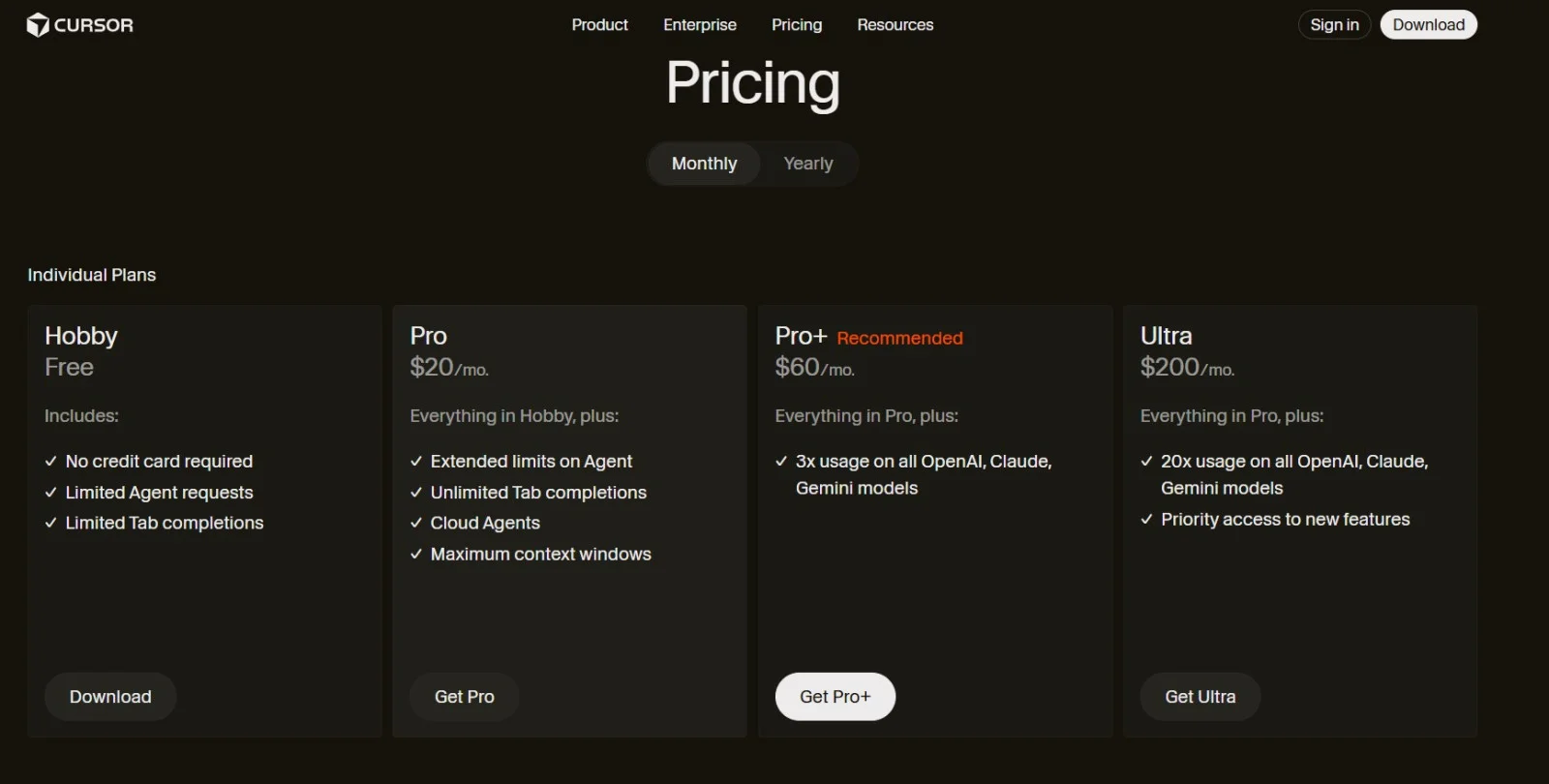
Cursor AI is an AI-powered coding assistant built specifically for developers. Think of it as a next-gen version of GitHub Copilot but with more control, better context understanding and deep IDE integration. It helps you write, refactor and debug code right inside your development environment.
Cursor AI has recently launched Cursor 3.0, which is a massive update introducing a dedicated Agent window alongside your IDE. This release shifts the focus from simple text completion to fully autonomous cloud agents that can build, test, and ship code concurrently while you work.
Mistral AI is a fast-growing European artificial intelligence company known for its powerful open-weight AI models and privacy-focused approach. Its chatbot, Le Chat, has quickly become popular among users looking for a fast, lightweight, and modern alternative to traditional AI assistants. In 2026, Mistral AI stands out because of its strong multilingual capabilities, quick response speed, and focus on open AI innovation.
Unlike many closed AI ecosystems, Mistral AI supports a more open and developer-friendly ecosystem, which makes it especially attractive for developers, startups, and privacy-conscious users. Le Chat is designed for productivity, research, writing, coding, and everyday conversations while keeping the interface simple and responsive.
| Chatbots | Best For | Free Plan | Paid Plan | Unique Strength |
| ChatGPT | Writing, coding, learning, research, chatting | GPT-5.2 (limited access) | Plus ($20/month - expanded GPT 5.2 access) | Multimodal (text, voice, image), very versatile |
| deepseek | Deep research, academic work, complex topics | Limited | API-based pricing | In-depth, thoughtful answers with research focus |
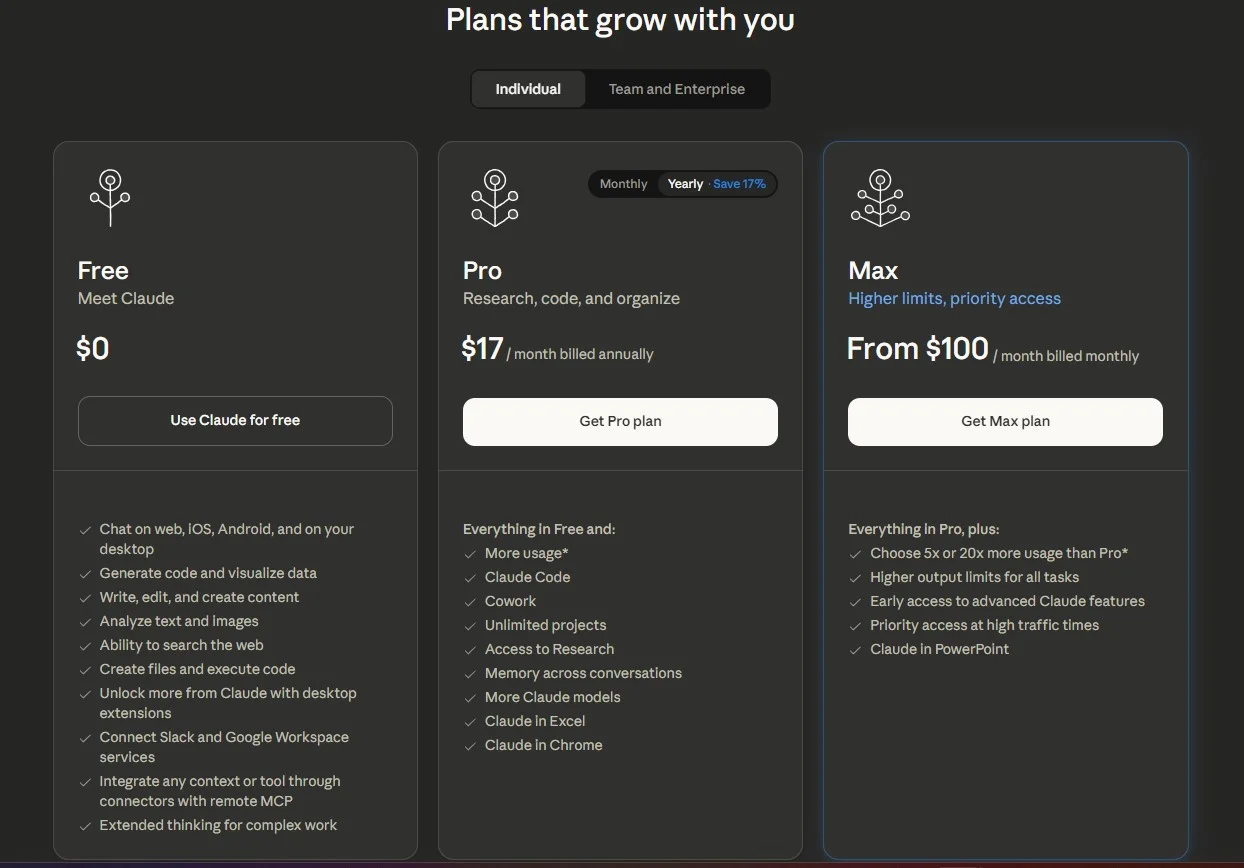
| Claude AI | Creative writing, thoughtful convos, summarization | Limited Free Access | Pro ($20/mo) | Human-like tone, calm and deep conversations |
| Meta AI | Fast replies, social media, casual chat | Fully Free | Not yet announced | Built into Instagram, FB and WhatsApp |
| Gemini | Google tools, live web search, code help | Basic | Advanced ($20/mo) | Deep integration with Docs, Gmail, YouTube |
| Copilot | Office productivity (Word, Excel, Outlook) | Not available | $30/mo with Microsoft 365 | Office-native assistant with data access |
| Grok AI | Fun, sarcastic chats, real-time X trends | Limited | X Premium+ ($16/mo) | Edgy, funny, pulls from X live content |
| PI | Emotional support, mindfulness, personal growth | Available | Premium (Coming Soon) | Warm, empathetic and slow-paced conversations |
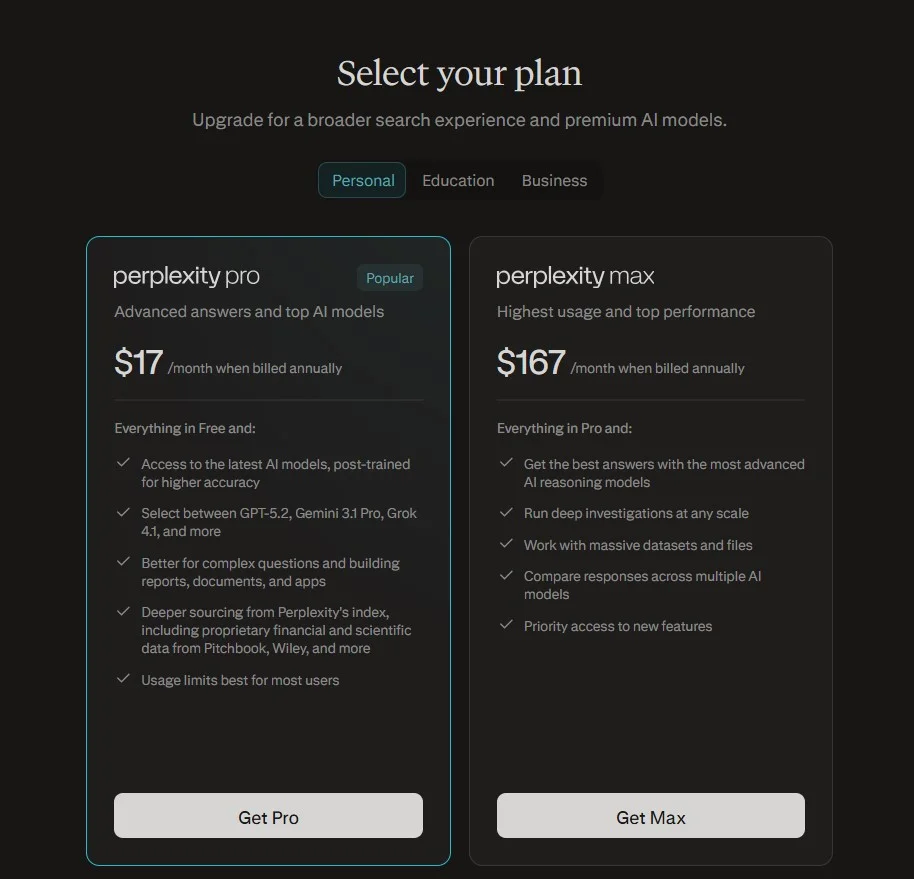
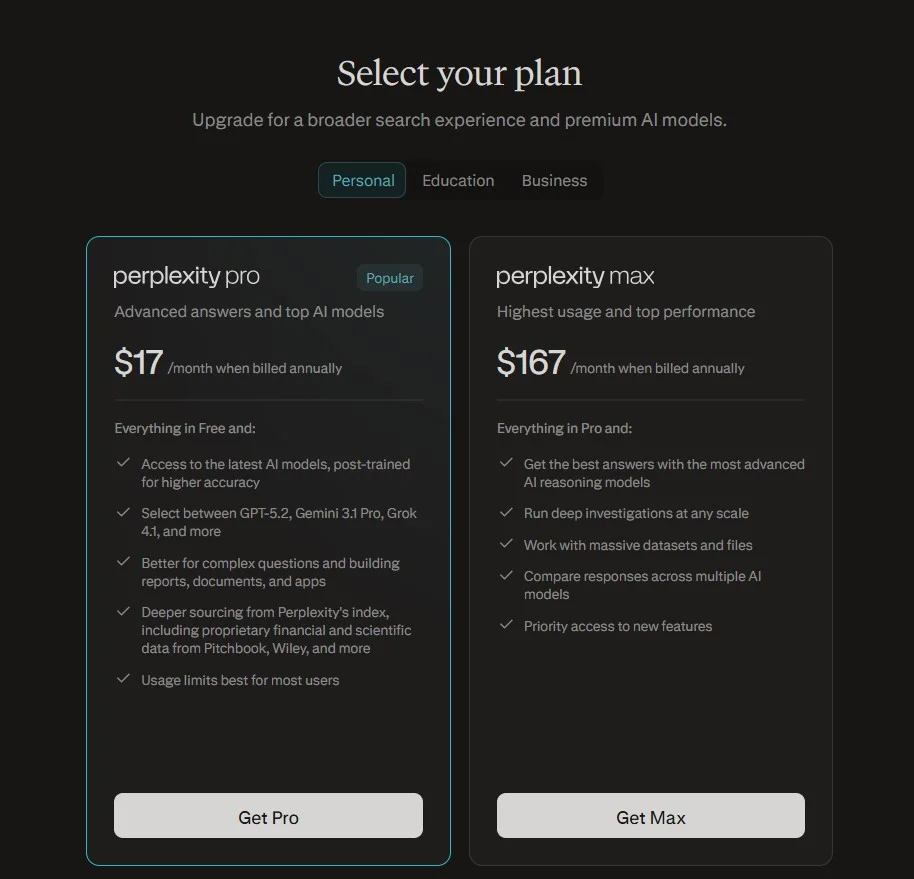
| Perplexity | Factual info, citations, research, search replacement | Available | Pro ($20/mo) | Cited answers + Access to advanced AI reasoning models |
| Jasper | Marketing copy, SEO blogs, brand writing | Not Available | From $39/mo | Specialized for marketers and content teams |
Read Also- What Are the Types of Artificial Intelligence
Some AI tools are designed for very specific roles like coding, marketing or customer support. This section covers some tools that focus on one job and do it really well. Let's begin.
These AI tools are built to assist you with your programming, debugging and technical documentation.
| Tool | What it Does Best |
| GitHub Copilot | It auto-completes code, suggests entire functions, works inside VS Code and IDEs. |
| Windsurf | It is free AI-powered autocomplete for 70+ languages with great accuracy. |
| Replit Ghostwriter | In-browser coding helps, explains code, helps build apps and games, etc. |
| Amazon Q Developer (formerly CodeWhisperer) | It is designed for AWS-based devs and helps with cloud-based app development. |
| Tabnine | It is lightweight AI for code completion, privacy-focused and team-friendly. |
These tools help teams generate content, manage campaigns, analyze buyer behavior and write persuasive copy.
| Tool | What it Does Best |
| Copy.ai | It helps in one-click social posts, product descriptions, email copy, etc. |
| Writesonic | It is an AI writer + marketing tools like landing pages and ad generator. |
| Ocoya | Social media content + scheduling with AI writing assistant. |
| Regie.ai | It does help in sales outreach, cold email creation, sequence optimization, etc. |
These chatbots are designed to automate customer queries, provide 24/7 assistance and improve user satisfaction.
| Tool | What it Does Best |
| Intercom Fin | It is an AI-powered chatbot for live support, help desk and smart replies. |
| Freshchat | It combines bots and live agents with CRM integration. |
| Tidio AI | It is conversational AI for small businesses and integrates with Shopify. |
| Drift | It is a B2B chatbot for lead qualification and sales conversations. |
| Zendesk AI | AI tools within Zendesk for faster ticket resolution and insights. |
Have you ever wondered how AI chatbots can understand what you are asking and respond within seconds? The process is actually quite interesting, and understanding it is important before using them. AI chatbots use artificial intelligence, natural language processing, machine learning, and large language models to understand your questions and generate relevant responses.
When you type a question, the chatbot first processes your input and tries to understand the meaning and context behind it. It then uses the information learned during its training. In many cases, it also uses real-time web or connected data to generate the most relevant response. Here is a simple breakdown of how it works:
Everything starts with your prompt. It can be a simple question, a request to write something, a coding problem, or even a complex research query. The chatbot receives this input and breaks it down into smaller pieces that the AI model can process.
The chatbot analyzes the words, context, and intent behind your prompt. Modern AI chatbots can also consider previous messages in the conversation, which helps them provide more relevant answers instead of treating every question as a completely new request.
The chatbot then sends your input through an AI model, such as a large language model (LLM). These models are trained on large amounts of data and learn patterns in language, allowing them to predict and generate useful responses based on the input they receive.
After processing your request, the AI generates a response one part at a time. Depending on the chatbot, the response may include text, code, images, summaries, explanations, or other types of content. Some advanced chatbots can also use tools such as web search, code execution, or connected applications to complete more complex tasks.
Finally, the chatbot presents the generated response in a way that is easy for you to understand. If the answer is not exactly what you wanted, you can continue the conversation, provide more details, or ask a follow-up question. The chatbot can then use that additional context to improve the next response.
This is why AI chatbots feel much more conversational than traditional search engines. Instead of simply matching keywords, they can understand the context of a request and generate a response based on what you are trying to achieve. However, AI-generated answers can still contain incorrect or outdated information, so important information should always be verified before you rely on it.
As I have tested so many AI Chatbots, I can surely say that there is no one best AI chatbot for everyone. It completely depends on what you want to use it for. There is a chatbot out there that always fits you- whether you are a student, creator, professional or just curious. Here is how you can figure out which one works best for your goals:
Whenever you want to choose the best AI chatbot for yourself, before picking any tool, just ask yourself: what do I actually want help with?
It can be anything: writing better content, learning new topics, fixing code, managing work or even just chatting when you are overwhelmed. Once you are clear on the purpose, the right AI choice becomes obvious.
For instance, if you want an AI for writing and content creation, you can go for Jasper AI.
If you want to learn and study, go for ChatGPT; for fun, sarcasm, and trending conversation, go for Grok AI. If emotional support is your priority, choose PI.
Related Article: ChatGPT Alternatives
The smartest choice is not about chasing the most powerful AI, but it is about finding the one that actually fits your flow. There is always an AI tool out there that feels like it was made just for you- whether you need help with deep research, code suggestions, therapy-style talks or marketing.
Additionally, it is also recommended from my side to experiment and test the AI's before you go onto their paid models. Always make sure to choose such tools that evolve with you, since tech will keep evolving.
There's no single 'most accurate' chatbot. Gemini and Claude are often cited for lower hallucination rates in independent testing, but accuracy varies significantly by task type (coding vs. factual recall vs. creative writing).
Chatbots' primary purpose can be considered as doing repetitive tasks for the ease of work for employees, students, etc.
Today, AI chatbots are actually very useful, and they have already become a part of our day-to-day routine. They can help in customer retention, drafting mail, analyzing data, etc.