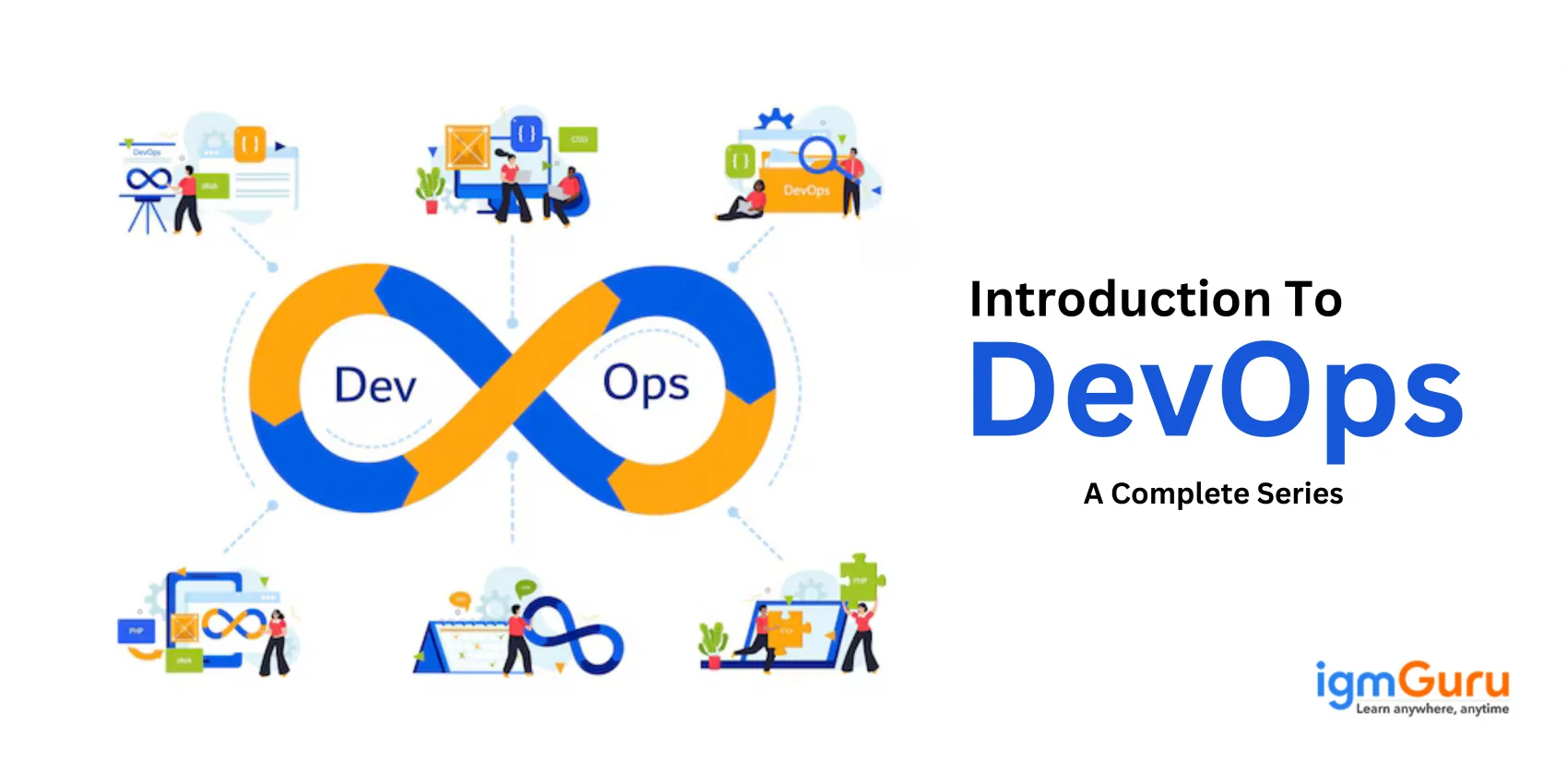
DevOps is a blend of development and operations. It is a progressive approach to both software development as well as IT operations. It strongly emphasizes automation, continuous improvement and collaboration. The goal is to accelerate the development and delivery of high-quality software. So, in this article, we will discuss 'Introduction to DevOps' and other important factors related to it.
Let's discuss an introduction to DevOps.
As it integrates development and operations, DevOps tends to break down silos. This enables quicker issue resolution, faster development cycles and increased reliable releases. Best practices here include infrastructure as code (IaC), monitoring and logging, and continuous integration and delivery (CI/CD). All these practices aid companies in responding timely to customer needs and market changes. Hence, helps in maintaining performance and stability.
DevOps enhances technical efficiency along with fostering a collaborative culture. It shares responsibility for driving business success and innovation. This blog explores its history, architecture, workflow and much more.

Let's discuss what is DevOps in this 'Introduction To DevOps' guide. DevOps is a worldly known and popular methodology. It combines development and operations to improve efficiency, speed and collaboration in the delivery of high-quality software. It mends the gap prevalent between development and operations teams. It has fostered a culture of continuous delivery, automation and continuous integration.
DevOps practices are aimed at streamlining the lifecycle of software development. It begins at coding and includes testing, deployment and monitoring. It uses processes and tools like automated testing, infrastructure as code (IaC) and version control. All these ensure improved system reliability, quicker response to issues and faster releases. It accelerates development cycles and improves collaboration and shared responsibility across teams.
Explore igmGuru's DevOps training online program to learn DevOps.
Let's explore the history of DevOps in this 'Introduction to DevOps' guide. DevOps emerged due to the increasing necessity for agility in IT operations and software development. It can be traced back to the beginning of the 2000s. This is when software development methodologies such as Agile began to emphasize iterative development and collaboration. The disconnect prevalent between operations and development teams often resulted in operational inefficiencies and slow releases.
The term DevOps first became popularized in 2009. It was Patrick Debois who was behind the organizing of the first ever DevOpsDays conference held in Ghent, Belgium. This particular event resulted in operations professionals and developers coming together. They discussed the challenges faced by a company due to siloed teams, emphasizing on the imperatives for a more integrated approach.
The evolution of DevOps has witnessed some key growth points.
Before DevOps came into the picture, the development and operations scene was usually characterized by inefficiencies and silos. These teams generally worked in isolation, which led to a disconnect, hindering productivity and collaboration.
- Waterfall Methodology: Most of the teams followed the Waterfall model. Here, development phases occurred in a sequence. It was a rigid process that made it difficult to adjust to the changes. Hence, it led to lengthy development cycles.
- Delayed Feedback: Since developers had very limited interaction with operations, delayed feedback was quite common. This led to late discovery of bugs and issues, which made the process costlier and more time-consuming.
Related Article- How To Become AWS DevOps Engineer
DevOps began to come into the limelight in the late 2000s. This was because people wanted a solid response to the inefficiencies and limitations of the then-existing development and operations practices.
The term DevOps gained popularity around 2009. This can be credited mostly to Patrick Debois. He was the one who organized history's first ever DevOpsDays conference. This is the event that brought developers and operations professionals under a roof. They got down to discussing the challenges arising due to siloed teams. They emphasized the need to explore more collaborative and efficient approaches.
Key Milestones:
This section of the blog 'Introduction to DevOps' is dedicated to making aspirants understand about DevOps architecture. It is a huge field that can only be perfected with time. However, the sooner one begins, the better will be the career growth. Let's begin by getting an explanation of what DevOps architecture actually is. Then, this blog will explore its benefits, implementation and elements.
DevOps architecture refers to the structural framework that helps in effective implementation of DevOps best practices within a company. It amalgamates processes, organizational principles and tools to breed collaboration between operations and development teams. Its goal is to fasten the software delivery lifecycle without compromising on its reliability and quality. DevOps architecture integrates automation, monitoring, collaboration tools and continuous integration, delivery, and deployment.
Also Read- How To Become A DevOps Architect?
There are quite a few elements of DevOps architecture that make it what it is today. Here are some of the key elements one should know about -
Automation refers to automating repetitive processes and tasks with the purpose of increasing efficiency and reducing human error. Top tools used for automation are Ansible, Jenkins, Puppet and Chef. Its key benefits are consistent environments, more time for strategic tasks and faster deployments.
CI/CD pipelines refer to a set of automated processes. These help in integrating code changes, testing them, and finally deploying them to production. Top tools here are CircleCI, GitLab CI/CD, Bamboo and Travis CI. Key benefits include faster feedback loops, more reliable releases and reduced manual intervention.
Iac helps in managing and provisioning infrastructure via code instead of manual processes. Top tools for IaC are AWS CloudFormation, Terraform and Azure Resource Manager. Key benefits include scalability, version control and consistency for infrastructure.
Monitoring and logging elements helps in tracking the health and performance of applications as well as infrastructure. This further identifies and resolves any arising issues proactively. Top tools include Grafana, Prometheus, Splunk and ELK Stack. Major benefits offered include faster issue resolution, actionable insights for performance optimization and enhanced system reliability.
It includes practices and tools that help in seamless teamwork and communication between operations, development and other stakeholders. It uses tools like Microsoft Teams, Slack, Confluence and JIRA. Major benefits it offers are streamlined workflows, better project management and enhanced collaboration.
Completely understanding DevOps architecture includes getting a better picture about the benefits it offers. Here is a peek into its top offered benefits.
It helps break down silos between the development and operations departments. It fosters a collaborative culture with shared responsibility.
Faster releases at a more frequent pace enables organizations to quickly respond to all customer needs and market changes.
Automation of all monotonous and repetitive tasks reduces manual intervention. This frees up human resources to focus on more strategic initiatives.
DevOps practices help organizations in scaling their applications and infrastructure more effectively. It helps accommodate growth and transforming demands with ease.
Continuous monitoring and testing makes sure that all code changes are vetted thoroughly. This reduces defects and improves system reliability.
Getting started with DevOps means understanding about implementing its architecture. This knowledge is central to experts in this area. Hence, gaining these skills is imperative.
The idea behind DevOps is to encourage totally open collaboration and communication. This is not limited to any one aspect but is applicable across all stages of the software development lifecycle. This promotes mutual understanding and shared goals.
The CI/CD pipelines are established to automate the testing, deployment and integration of code changes. This helps in ensuring more rapid feedback cycles, more reliable releases and higher code quality.
Leveraging IaC helps in managing and provisioning infrastructure using code. This aids in reducing configuration drift, enables rapid scaling and replication of environments and ensures consistency.
Automating quality assurance and testing helps in integrating automated testing into the CI/CD pipeline. This facilitates in catching any arising defects early in the process, which in turn ensures high code quality.
Track the health and performance of infrastructure and applications. The goal is to optimize performance and address issues proactively
DevOps helps in fostering continuous improvement by continuously improving and evaluating DevOps processes and practices. It encourages a culture of experimentation and learning.
Adopting these practices and principles helps DevOps architecture in enhancing the overall quality, agility and efficiency of IT operations and software development. This will certainly lead to better business success and innovation.
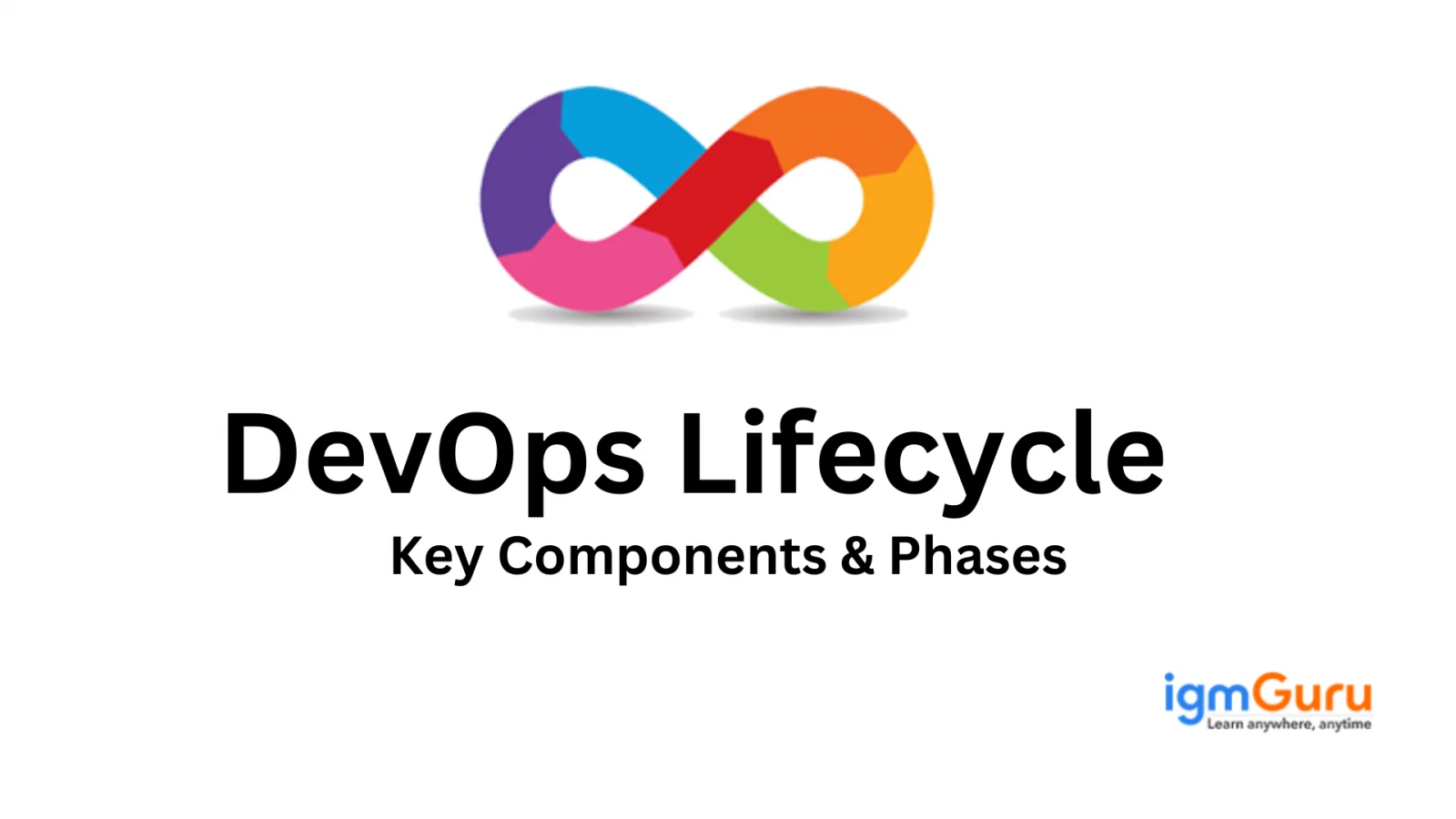
Let's discuss the DevOps lifecycle in this 'Introduction to DevOps' guide.
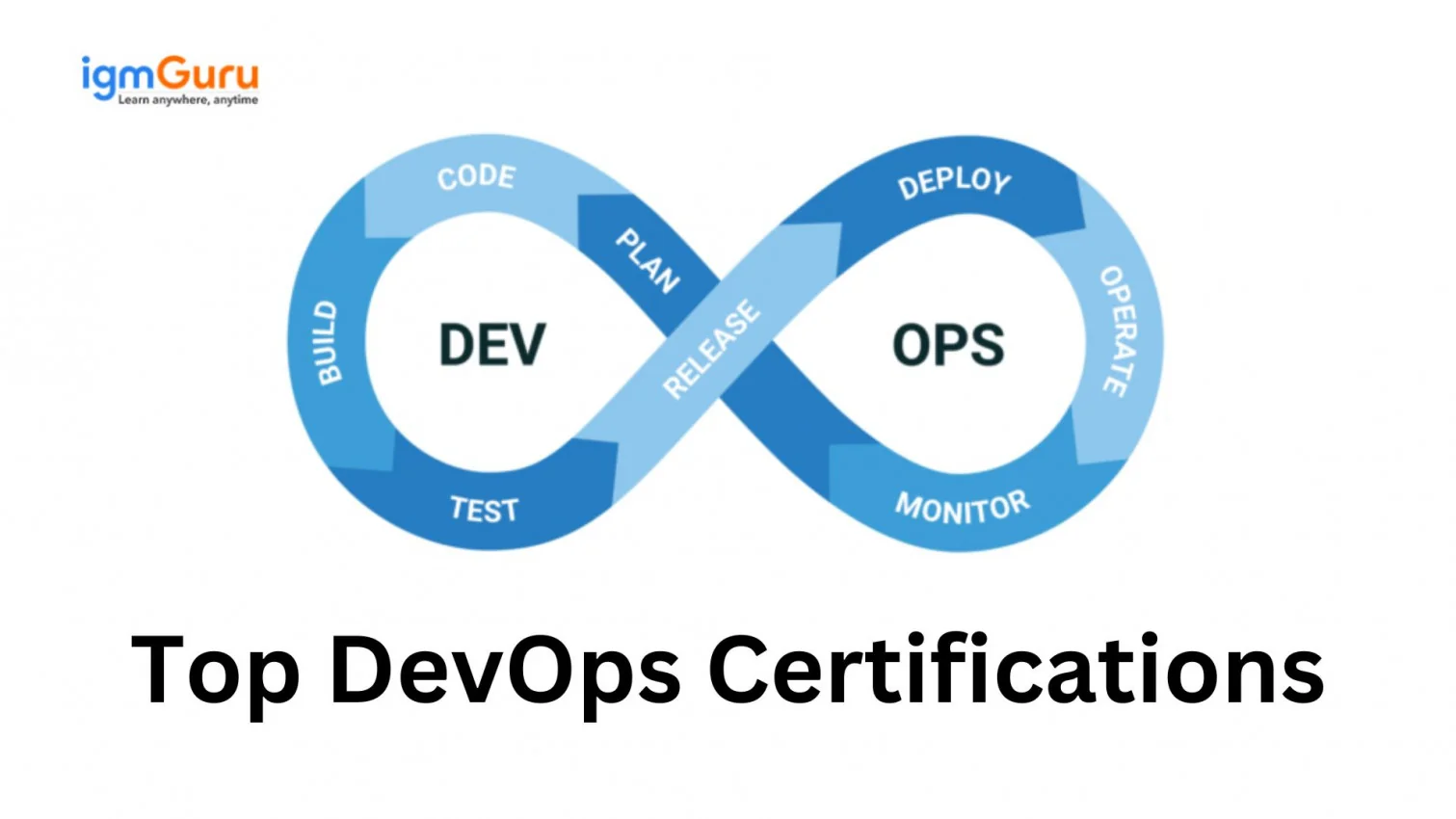
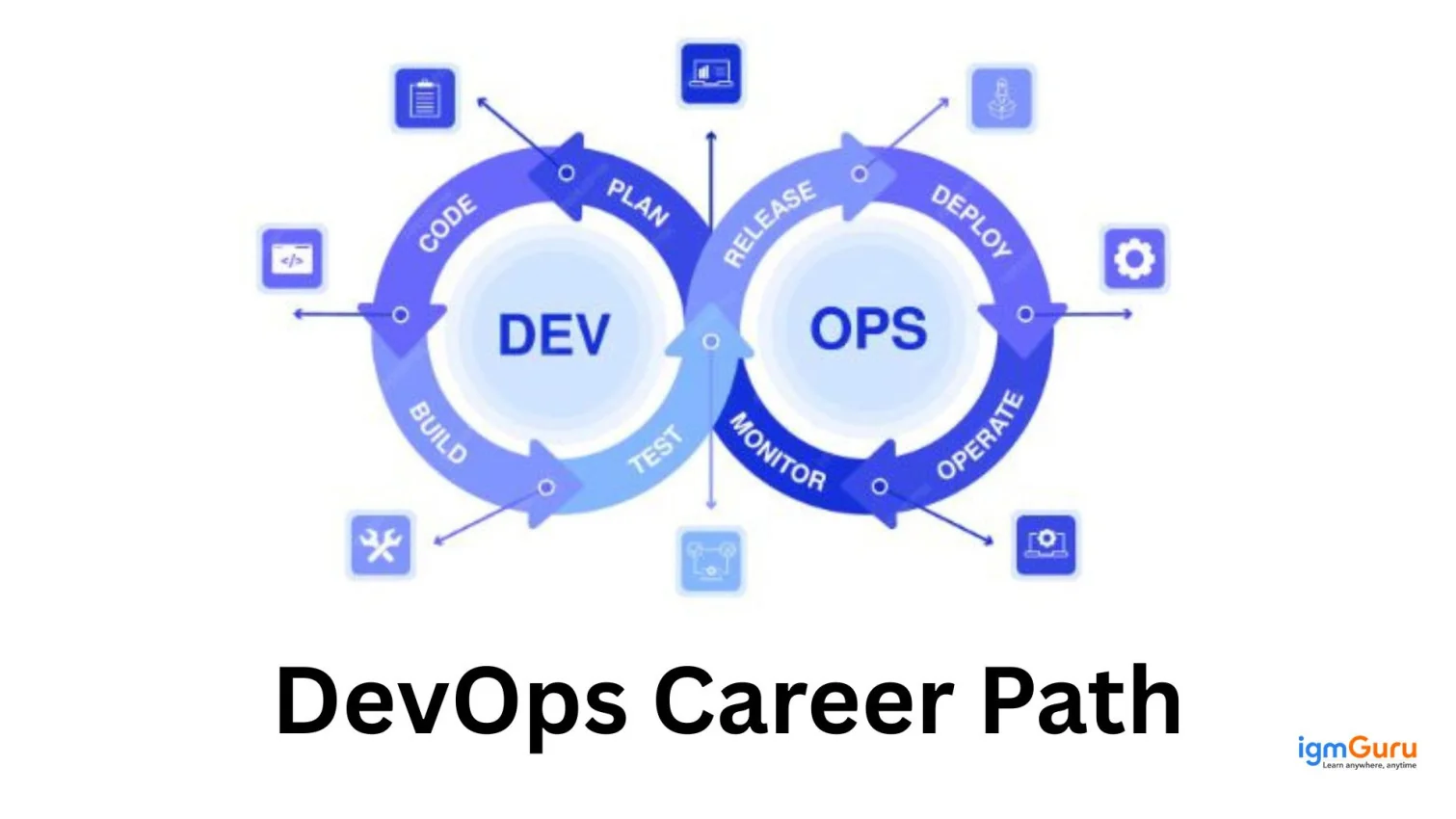
The DevOps lifecycle is a representation of its transformative approach for modern software development. It highly emphasizes automation, continuous improvement and collaboration. DevOps integrates operations and development to streamline workflows for enhanced productivity and top-quality software delivery.
This phase involves coding and planning. Development teams accumulate requirements, write the code and plan the project. The goal is to outline coding standards and a clear roadmap. Top tools used are SVN, Git, Confluence and Jira. It uses collaborative planning tools like integrated issue trackers and real-time whiteboards to ensure team members are aligned with the project's goals.
Continuous Integration includes frequently combining code changes with automated testing. This helps in detecting and addressing all issues early. This phase helps the codebase remain up-to-date and healthy. Top tools for this are Travis CI, Jenkins, GitLab CI and CircleCI.
AI-powered testing tools are used for predicting potential integration conflicts as well as suggesting solutions. All this happens before any conflict becomes a critical issue. Automated code quality analysis tools offer quick feedback. This helps developers in consistently maintaining high standards.
In the continuous testing phase, automated tests are constantly run on the integrated code. This helps in ensuring that it meets the set standards for security, performance and functionality. Top tools used during this phase are TestNG, Selenium, Appium and JUnit. Advanced Machine Learning algorithms easily optimize test case generation as per historical data. This enhanced efficiency and coverage.
The Continuous Deployment phase automates the release of all changes to the production environment. It is imperative to ensure that bug fixes and new features are delivered as quickly as possible to the users. Top tools used here are Docker, Kubernetes, Terraform and Ansible.
Modern orchestration tools help complicated deployment workflows. This enables features such as canary releases and blue-green deployments. These methods reduce the risk linked with new releases. It ensures that only tested and stable updates are received by the users.
Continuous monitoring helps in tracking the health and performance of infrastructure and applications in real time. Hence, it aids in identifying any issues prior to their impact on users. Top tools used here are Grafana, Prometheus, ELK Stack and Nagios. ML and predictive analytics can estimate potential performance bottlenecks. This allows proactive adjustments. Automated scaling as per real-time metrics facilitates optimal performance under different loads.
It means gathering as well as analyzing feedback from stakeholders and users to guide future development cycles. It helps the product to evolve as per market demands and user needs. Top tools used are analytics platforms, user feedback tools and A/B testing tools. Real-time sentiment analysis and feedback loops tools offer hand-to-hand insights into user experience. This facilitates continuous improvement and rapid adjustments.
Also Read- DevOps Tutorial (A Guide For Beginners)
Planning means defining the objectives, requirements and scope of the project. It sets the foundation for the development process. It includes requirement gathering, collaborative planning, creating a detailed roadmap and goal setting. Top tools used here are Trello, Jira and Confluence.
The next phase is coding, which means developing the features or application as per the planned requirements. It involves reviewing and writing code. It includes activities like code review, coding, managing code repositories and version control. Top tools used here are Bitbucket, Git and GitHub.
This phase helps in compiling the code into individual executable files and preparing them for deployment. It ensures that the app is built and even deployed reliably. Activities it includes are artifact management, continuous integration and automated builds. Top tools used in this phase are Maven, Jenkins and Gradle.
The testing phase makes sure that the application is without any defects and perfectly performs as expected. It focuses on validating the security, performance and functionality of the application. Activities it performs are performance testing, automated testing and security testing. Top tools used during this phase are JUnit, Selenium and LoadRunner.
The objective of this phase is to deploy the application effectively to the production environment. It includes managing deployment and configuration processes. The most often performed activities during this phase are change management, configuration management and deployment automation. Top tools used here are Chef, Ansible and Puppet.
During the deployment phase, the application is made available to users. It directs its focus towards the final deployment steps. The goal is to ensure that the app is running smoothly in the production environment. Common activities performed here are environment provisioning, orchestrated deployments and rollback strategies. Top tools for this phase are Docker Swarm, Kubernetes and AWS ECS.
The application is managed in the production environment to make sure it runs perfectly. It focuses on maintaining and monitoring the app's reliability and performance. Activities performed are incident management, monitoring and operational support. Top tools involved are Nagios, Prometheus and ELK Stack.
It is all about continuously monitoring the app's performance, along with user experience. It focuses on garnering data for continuous improvement. It includes activities like log analysis, performance monitoring and user feedback collection. Tools used are Splunk, Grafana and New Relic.
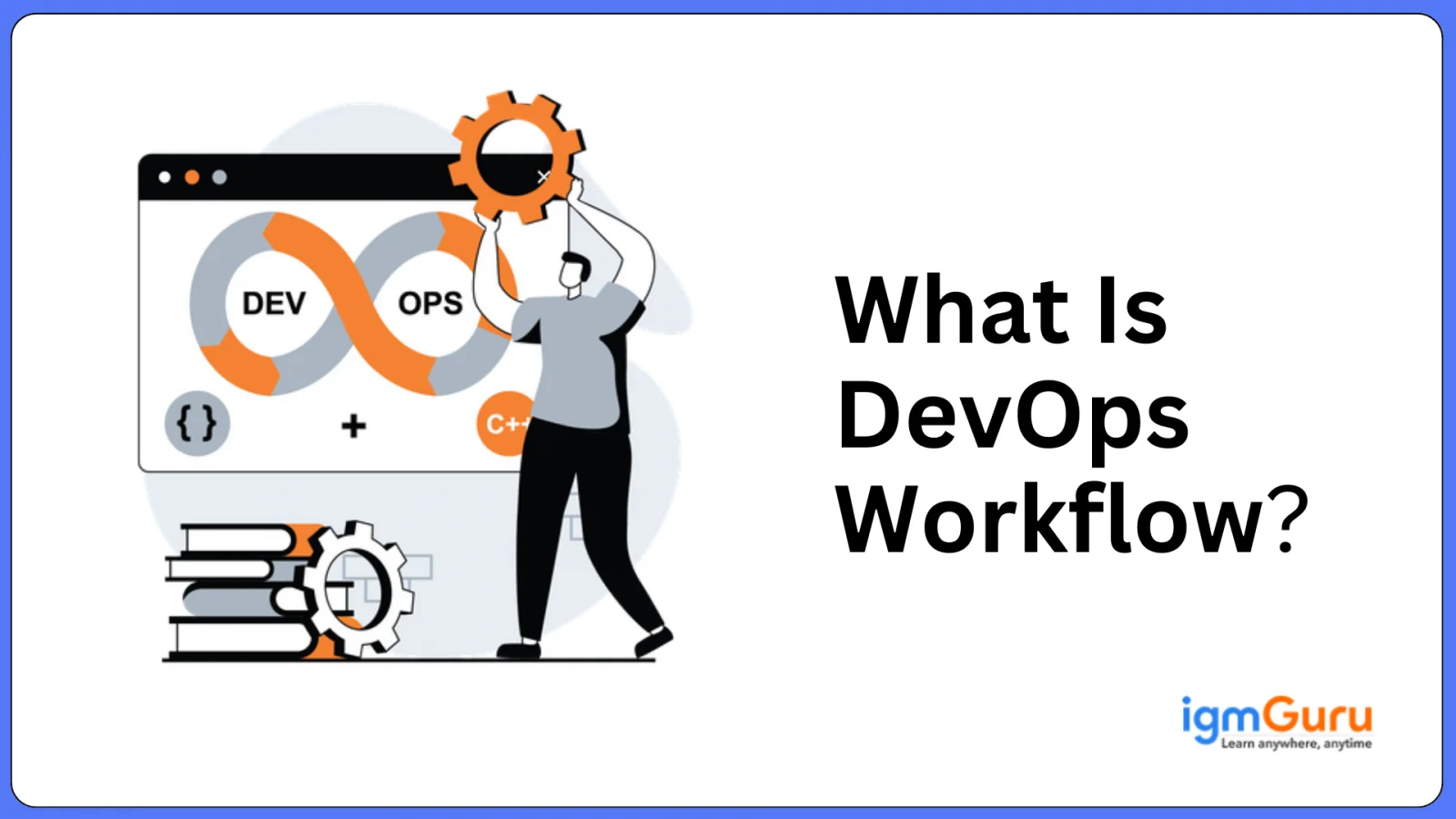
In this guide 'Introduction to DevOps', we will discuss 'what is DevOps workflow'. Basically, DevOps workflow refers to a structured sequence of tools and practices. These are crafted to automate and integrate the processes between IT operations and software development. It shortens the development lifecycle to continuously deliver top-quality software. This ensures uninterrupted collaboration across teams.
This includes maintaining a repository to store and manage code. Developers can easily track changes, manage version control and collaborate. Top tools used here are GitHub, Git, Bitbucket and GitLab. It helps in providing version history, facilitating collaboration and ensuring code integrity.
CI includes integrating code changes automatically from various contributors into a single shared repository many times a day. Issues are detected early by running automated tests. Top tools used for this are Travis CI, Jenkins and CircleCI. It helps in faster feedback cycles, consistent build quality and early detection of integration issues.
Automated tests verify the performance, security and functionality of the code. These tests can be integration tests, end-to-end tests or unit tests. Top tools used here are JUnit, Selenium and TestNG. Top benefits include reduced manual testing efforts, ensuring consistent quality, and accelerating the development process.
Continuous deployment helps in automating the process around deploying code changes for production. It facilitates changes that pass the automated tests to automatically get deployed to the production environment. Top tools are Docker, Kubernetes and Ansible. Its key benefits are reduced deployment errors risk, immediate availability of new features and faster releases.
It is about managing and automating the configuration of software and systems. This ensures that all the environments are consistent. Top tools are Puppet, Chef and Ansible. Top benefits are reduced configuration errors, easier scaling and consistent environments.
This component continuously monitors the health and performance of infrastructure and applications. Logs are collected to be analyzed for identification of issues and improvement in system reliability. Top tools are Grafana, Prometheus and ELK Stack. Key benefits are improved system performance, better user experience and proactive issue detection.
Effective collaboration and communication among team members is extremely crucial. Different tools help in video conferencing, chat and issue tracking. Top tools used here include Microsoft Teams, Slack and Jira. Some of the key benefits are faster decision-making, enhanced transparency and enhanced team coordination.
The DevOps workflow automates and integrates the processes between the departments of development and operations. This promotes continuous integration, continuous delivery and collaboration. It uses tools and practices to help organizations achieve higher quality software, enhanced operational efficiency and faster releases.
Also Read- DevOps Interview Questions
Creating an effective DevOps workflow includes integrating operations and development processes. This ensures continuous integration, continuous delivery and seamless collaboration. Key steps for creating a DevOps workflow are-
It commences by evaluating the current operations and development processes. This includes identifying inefficiencies, areas for improvement and bottlenecks. The goal is to set clear objectives that need to be achieved. Such as improved quality, better collaboration or faster releases.
It is all about promoting a collaborative culture between operations, development, stakeholders and QA. Encouraging shared responsibility and communication for the product life cycle is the key. It begins by offering training and right resources to aid team members in understanding DevOps practices and principles.
Tools and version control systems such as Git are used to manage code. It ensures all code changes are reviewed, merged and tracked systematically. Best practices include establishing code review practices and branching strategies to maintain code quality.
Implementing CI tools like Travis CI, CircleCI or Jenkins for automating the integration of code changes. This is to ensure that the automated tests are run with every single integration for detecting any issues early. This also means setting up notifications for build failures and successes. These offer immediate feedback to the developers.
Usage of automated testing frameworks such as JUnit, TestNG or Selenium is preferred to validate the performance, security and functionality of the code. The focus is on comprehensive test coverage. This catches all defects early in the software development cycle.
Tools such as Docker, Ansible or Kubernetes are used to automate the entire deployment process. One should make sure that deployments are highly reliable and easy to roll back, if necessary. Configuration must be managed across various environments for consistency and reduced deployment errors.
It includes implementing monitoring tools such as Grafana, the ELK Stack or Prometheus to track the health and performance of infrastructure and applications continuously. Data is collected and analyzed from monitoring tools to pinpoint areas for enhancement. This feedback is used to refine tools and processes continually.
Maintaining a detailed documentation of the tools, processes and workflow is imperative. This ensures ease and transparency of onboarding for new team members seamlessly. The workflow should be reviewed and updated regularly as per the feedback and evolving needs.

In this 'Introduction to DevOps' guide, we will explore 'what is DevOps automation'. Basically, DevOps automation refers to an important component of the DevOps methodology. Its goal is to integrate and streamline the various processes of development and operations. It uses automation to accelerate software development, reduce errors, enable CI/CD and improve efficiency.
It involves using multiple technologies and tools. The goal is to automate time-consuming and repetitive tasks in this process. This automation includes plenty of activities like code integration, testing, deployment and monitoring. It ensures that the software is tested, deployed and developed reliably, quickly and with least human intervention.
Automated processes reduce the chances of facing human errors. Hence, ensuring more reliable and consistent outcomes. Automated tools and scripts render the processes consistent and repeatable across multiple environments.
Automation speeds up the deployment process significantly. This helps teams in releasing new updates and features more frequently. The time invested in code commitment through production deployment is heavily reduced by automating tasks. This enables faster iteration and feedback.
Automation develops better collaboration and communication between operations and development teams. This is achieved by eliminating silos and creating unified workflows. Automated processes offer better insights into the workflow. This aids teams to understand the condition of the development pipeline.
Automation tools can easily manage complicated deployment scenarios. This renders it easier to scale infrastructure and applications. Automated resource management aids in optimizing the utilization of infrastructure. Thus, reducing costs and enhancing performance.
Related Article- Top DevOps Certifications To Consider For A Career Growth
CI tools such as Travis CI, CircleCI and Jenkins help in automating code change integration from various contributors into a single shared repository. Each integration is accompanied with automated tests to detect and fix issues early.
CD tools such as Docker, Ansible and Kubernetes automate deployment of apps to production environments. Automation helps in making sure that the deployment environments are consistent. This consistency reduces configuration errors and enhances reliability.
Tools such as Chef, Puppet and Terraform facilitate the automation of infrastructure management and provisioning via code. IaC enables repeatable and scalable infrastructure setups. This renders it easier to manage big-scale environments.
Tools such as Grafana, the ELK Stack and Prometheus offer automated alerting and monitoring. This ensures that infrastructure and applications are observed continuously. Automated log management aids in identifying and resolving issues quickly, which further enhances system reliability.
Configuration management tools are used for automating the processes included in configuring and maintaining software environments. These ensure consistency throughout testing, production and development stages.
The current deployment and development processes are assessed to identify the areas that can gain from automation. Clear objectives are set for what the organization wants to achieve with automation. This could be improved quality, reduced manual effort or faster deployments.
Choosing the right tools for IaC, CI/CD, configuration management and monitoring are based on the organization's specific infrastructure and needs. Companies must make sure that the chosen tools can easily and seamlessly integrate with the existing workflows and systems.
The CI/CD pipelines must be set up to automate the processes involved in testing, deploying and building code. Automated testing frameworks must be integrated to ensure maintenance of code quality across the development lifecycle.
IaC tools are used for automating the management and provisioning of infrastructure. This incorporates creating scripts to set up databases, other components and servers. Configuration management is automated to ensure that all environments are correctly configured and consistent.
Automated alerting and monitoring must be implemented to track the health and performance of apps and infrastructure continuously. Automated log analysis tools can be used for quick identification and resolution of issues.
Feedback loops must be established to garner insights and data from automated processes. This information is further used to continuously enhance and refine DevOps workflow. Offering ongoing training to teams can ensure high proficiency with automation practices and tools.

Let's discuss how to become a DevOps engineer in this 'Introduction to DevOps' guide. Becoming a DevOps engineer includes developing technical skills, understanding the principles of collaboration & continuous improvement and gaining practical experience. This comprehensive guide helps aspirants get an answer to how to become a DevOps engineer.
Before getting started with the technical aspects, it's important to learn what DevOps is all about.
While it is not a necessity to have a formal degree, a strong educational background can certainly be beneficial.
Related Article- Most In-Demand DevOps Engineer Skills
A DevOps engineer must possess a diverse skill set. This should encompass various technical skills in various areas. Some of the key ones are-
Gaining hands-on, practical experience is imperative to become competent in the field of DevOps engineering. Here is how one can get started in gaining it all.
A portfolio helps in showcasing skills and knowledge. It contains project information to help recruiters better understand your skills. Every single project one works on can be incorporated in the portfolio. This portfolio plays a big role in getting seen by hiring managers. It also makes the resume stand out.
The DevOps field is experiencing constant evolution. Hence, it is imperative to stay updated. The best way to do it is by joining communities. Participate in DevOps forums, meetups and communities. These are great for networking with other professionals and sharing knowledge.
Technical skills are not enough alone. It is important to focus on developing one's soft skills. Top non-technical skills to have are-
In this 'Introduction to DevOps' guide, we have discussed a lot of things. In short, DevOps is a true image of a transformative shift in how IT operations and software development collaborate. It provides a holistic approach to help accelerate delivery by streamlining workflows. Beginning at its historical roots, its intricate lifecycle and architecture has been a boon. Its practices and principles can be adopted by organizations to achieve enhanced reliability, innovation and efficiency.
DevOps brings together multiple components to foster continuous deployment, improvement and integration. Gaining an understanding of the journey from its inception to its implementation is an eye-opener. The steps involved in becoming a proficient DevOps engineer are enough to highlight the crucial role played by DevOps today. It has become an imperative part of modern software engineering.
Course Schedule
| Course Name | Batch Type | Details |
| DevOps Training | Every Weekdays | View Details |
| DevOps Training | Every Weekend | View Details |