In today's competitive world, we all use many tools and tactics to automate workflow and improve overall productivity. Automation in DevOps is a process that is becoming popular among professionals and companies as well. Implementing DevOps automation in the process helps professionals to drive scalability across the Software Development Life Cycle (SDLC) and speed up the delivery of software applications and new releases to the market.
In this guide, we will discuss what is devops automation, how it works, types of automation and much more. This guide is designed with experienced trainers and will be perfect for you to start your career with this robust methodology. Let's get started.
DevOps automation refers to the systemization of processes involved in the software development cycle such as coding, testing, traditional deployment, etc. Automation is beneficial for development and operations teams to collaborate efficiently to deliver quick software updates.
This approach emphasizes on bringing alignment between the operation and development teams. This would increase the software delivery speed while minimizing manual intervention. Continuous Integration, Continuous Delivery, Infrastructure-as-Code (IaaC), and automated testing are key components of DevOps automation. All these components ensure system responsiveness and quick software development.
Explore igmGuru's DevOps certification training program to learn DevOps Automation with industry experts.
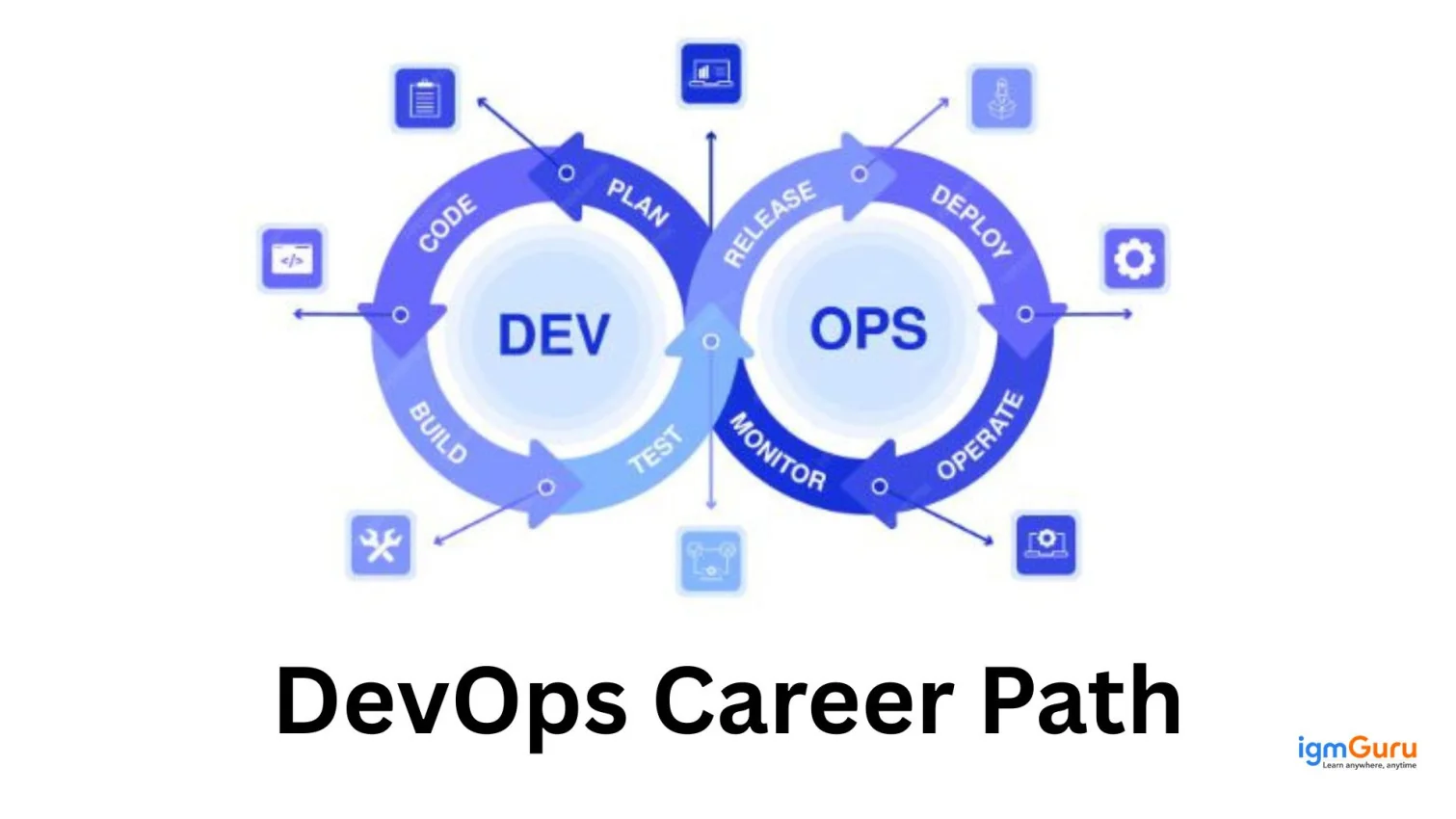
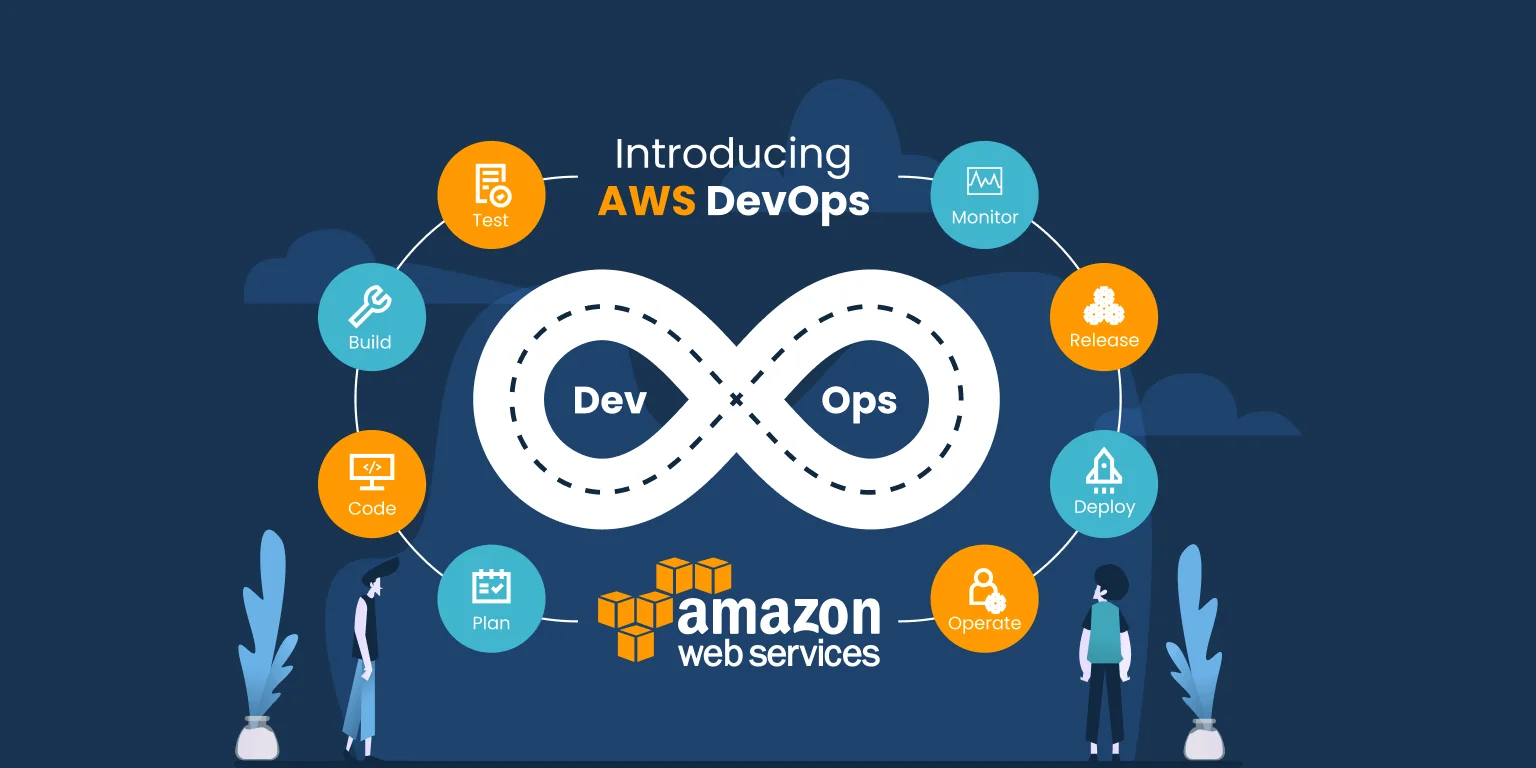
Automation aims at making processes seamless and faster. Now, some of the examples of such processes are planning, building, testing, releasing and running while keeping a track of how everything functions. DevOps automation enables different teams to work together during the entire DevOps process.
However, a single tool cannot execute all the tasks. One has to choose the right one to change the infrastructure as required. Here are some tools that aid DevOps automation.
They automate building, testing, and releasing software to lower mistakes, raise code quality, and boost app security. These tools have dashboards and reports that work with version control and quick development tools.
These make sure hardware and software work as they should. A declarative configuration tool automates getting things to the right state without writing out every step.
They bundle apps with their code, runtime, system tools, libraries, and settings. This helps make sure the software works no matter the system.
These automate deploying, managing, and growing containerized apps. These tools help IT teams handle tasks and workflows.
They make it easier to install, update, set up, and remove software. They keep a list of software needs and version info and help make sure packages are real and safe.
These offer software developers a way to make a website that tells people about the app. These tools can turn repositories into webpages that share project info, documents, or videos, which can be helpful for possible customers.
Related Article - DevOps Tutorial
Automation is vital in DevOps for a few reasons. Here are three important points:
In DevOps, automation lowers extra steps by making things more regular. Doing the same things over and over, such as putting in code or setting up systems, can easily cause mistakes if done by hand. Automation gets rid of unnecessary work and pushes for standard methods across development and operations. This not only makes things faster but also lowers the chance of errors that could require doing tasks again.
DevOps automation gives clear rules for each part of the software creation process. By using automation tools, like Infrastructure as Code (IaC) and scripts, teams can make workflows standard. These rules act as a guide for planning, building, and running infrastructure. They make things clearer and improve teamwork between people who might not always understand each other. Teams can work together better with good instructions, which leads to better talks and a clearer sense of how the system is being built and run.
Cutting down risks in the DevOps process depends on automation. Doing things by hand can cause errors, and differences can lead to problems when putting things into place, causing issues with how things run. Testing and continuous integration and deployment find problems early when building software. Repetitive work is automated to lower the risk of mistakes, make software releases better, and improve how stable systems are using DevOps automation.
Read Also- DevOps Interview Questions and Answers
Automation comes in several forms and can be inserted at many points in the software development cycle. Here are some common types of automation in DevOps:
1. Infrastructure as Code (IaC)
2. Configuration Management
3. Continuous Integration and Continuous Delivery (CI/CD)
4. Continuous Monitoring
Here's a closer look at each one.
Infrastructure as Code automates infrastructure. This way, developers don't have to manage servers and storage when they deploy an application. It allows for regular and repeatable infrastructure deployments and cuts down on problems when code is deployed. IaC also gives teams easier control over complicated infrastructure and integrates software life cycle management.
Some well-known tools for infrastructure as code include:
Configuration Management automates tasks like keeping up computer systems and servers. This lowers the amount of manual errors in IT. It makes sure there is consistency across settings and makes changes easier.
Some popular tools for managing setups include:
Continuous Integration and Delivery speeds up software application delivery by automating code deployment. It also reduces integration errors in applications.
Some of the top tools for CI/CD:
With continuous monitoring, system tracking is automated. Release managers usually handle this. Issues are identified, and any problems that could affect users are detected early.
Here are several common tools:
Read Also- Top DevOps Certifications (Recommended by Industry Experts)
DevOps automation has changed software development and delivery. Here are some key advantages:
Automated processes reduce the chances of facing human errors. Hence, ensuring more reliable and consistent outcomes. Automated tools and scripts render the processes consistent and repeatable across multiple environments.
DevOps automation speeds up development by taking care of tasks that take up time. This lets teams focus on creating new products and delivering them faster.
Automation makes sure processes are the same across development, testing, and deployment. This lowers mistakes and makes workflows reliable.
DevOps automation helps release features and updates faster by automating code integration, testing, and deployment. This means software products can be released to the market sooner.
DevOps automation improves communication between development and operations teams. It helps teams work together and understand each other's needs.
DevOps automation includes automated testing. This means all code changes are tested thoroughly, leading to better code quality. Problems are found early, preventing bigger issues down the line.
Read Also- 36 Best DevOps Tools To Look In 2026
To make automation work well for your DevOps group, keep engineers in the loop as you bring your tools and pipeline together. Here are some tips to think about when planning your DevOps automation:
For many DevOps teams, CI/CD is the most important thing to automate. Automation can handle key parts of CI/CD, such as putting packaged apps in the right place, creating builds, and other tasks.
Automation in these areas encourages teamwork for engineers, keeps automation in check, and makes sure updates and new features are put in place regularly.
Regular updates and new features are key to any successful DevOps plan. Also, they can be hard to keep up with. That's why change management is a vital part of DevOps automation. Version control, change control, and configuration management help handle code changes and control deployments. If done right, change management is like a record and a safety net, showing how your software has changed and letting you go back to earlier points if needed.
As noted earlier, DevOps should automate as much as possible, but automation can't do it all. Sometimes people need to step in or an automated task needs another look. DevOps engineers are important here and should not be overlooked.
Lastly, automation makes it easier to watch and update software. This makes fixing problems, improving features, debugging, patching, and adding security measures faster and better. Because of this, always monitor your deployed assets with automation. Automation is helpful for these DevOps monitoring ideas:
Read Also- How To Become A DevOps Engineer?
Explore DevOps automation imlementation for seamless workflows:
The current deployment and development processes are assessed to identify the areas that can gain from automation. Clear objectives are set for what the organization wants to achieve with automation. This could be improved quality, reduced manual effort or faster deployments.
Choosing the right tools for IaC, CI/CD, configuration management and monitoring are based on the organization's specific infrastructure and needs. Companies must make sure that the chosen tools can easily and seamlessly integrate with the existing workflows and systems.
The CI/CD pipelines must be set up to automate the processes involved in testing, deploying and building code. Automated testing frameworks must be integrated to ensure maintenance of code quality across the development lifecycle.
IaC tools are used for automating the management and provisioning of infrastructure. This incorporates creating scripts to set up databases, other components and servers. Configuration management is automated to ensure that all environments are correctly configured and consistent.
Automated alerting and monitoring must be implemented to track the health and performance of apps and infrastructure continuously. Automated log analysis tools can be used for quick identification and resolution of issues.
Feedback loops must be established to garner insights and data from automated processes. This information is further used to continuously enhance and refine DevOps workflow. Offering ongoing training to teams can ensure high proficiency with automation practices and tools.
DevOps automation is a significant revolution in software development that allows enterprises in faster software development, with improved reliability and quality. Companies now can optimize operations, improve collaboration, and establish efficient, scalable, and agile software delivery processes. The continuous advancement in this technology ensures successful automation in business.
Yes, you can learn DevOps automation by building foundation in DevOps tools like Git, Docker, and Jenkins, after that you can explore automation with CI/CD pipelines. You can also start practicing by building and automating deployment workflows, and leverage platforms like Kubernetes for container orchestration.
Jenkins is a powerful DevOps automation tool that streamlines continuous integration and deployment.
Course Schedule
| Course Name | Batch Type | Details |
| DevOps Training | Every Weekday | View Details |
| DevOps Training | Every Weekend | View Details |