How to Become A DevOps Engineer

A Guide To Become A DevOps Engineer

Jaya
March 17th, 2026
2365
5:00 Minutes

Are you looking for a guide to Become A DevOps Engineer? Devops engineer has become an essential asset for every organization nowadays and becoming one can be very beneficial. This career guide is all about how to become a DevOps engineer. It includes a step-by-step roadmap that will explain where to start, what to do and how to grab the best industry opportunity. Let’s begin.

A Roadmap On How To Become A DevOps Engineer

Becoming a DevOps engineer includes developing technical skills, understanding the principles of collaboration & continuous improvement and gaining practical experience. This comprehensive guide helps aspirants get an answer to how to become a DevOps engineer.

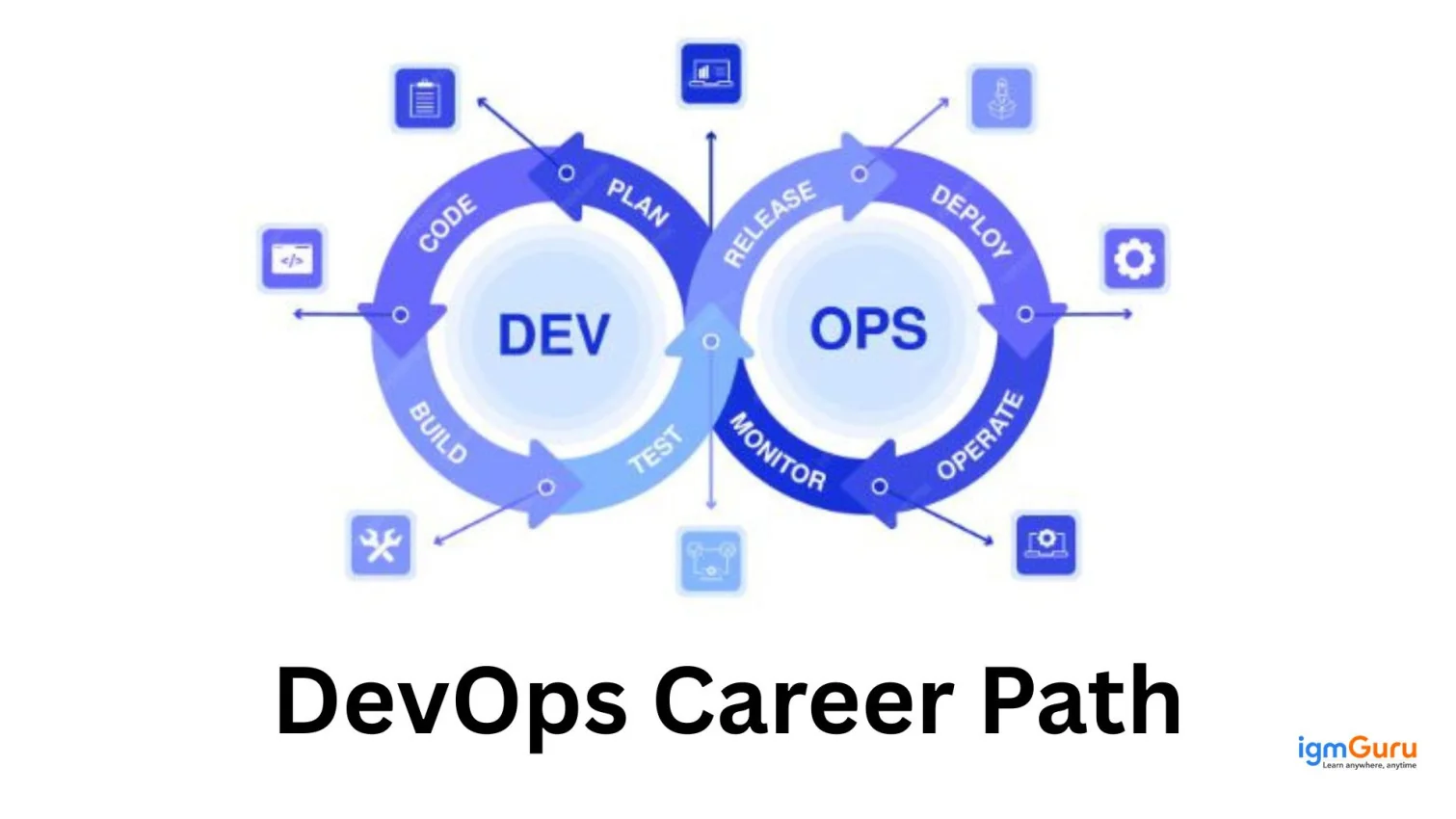
1. Understand DevOps Principles & Practices

Before getting started with the technical aspects, it's important to learn what DevOps is all about.

  • Continuous Integration & Continuous Deployment: This means automating the deployment and integration processes for reliable and rapid software delivery.
  • Collaboration & Communication: DevOps lays focus on breaking down any existing silos between operations and development teams. It helps breed a collaborative environment.
  • Monitoring & Logging: It includes monitoring infrastructure and applications continuously to ensure reliability and performance.
  • Infrastructure as Code: This helps in provisioning and managing infrastructure via code instead of manual processes.

Explore igmGuru's DevOps Course program to start your learning journey.

2. Educational Qualifications & Learning Resources

While it is not a necessity to have a formal degree, a strong educational background can certainly be beneficial.

  • Degrees: A bachelor's degree in software engineering, computer science or such field can offer a solid foundation to grow further in this field.
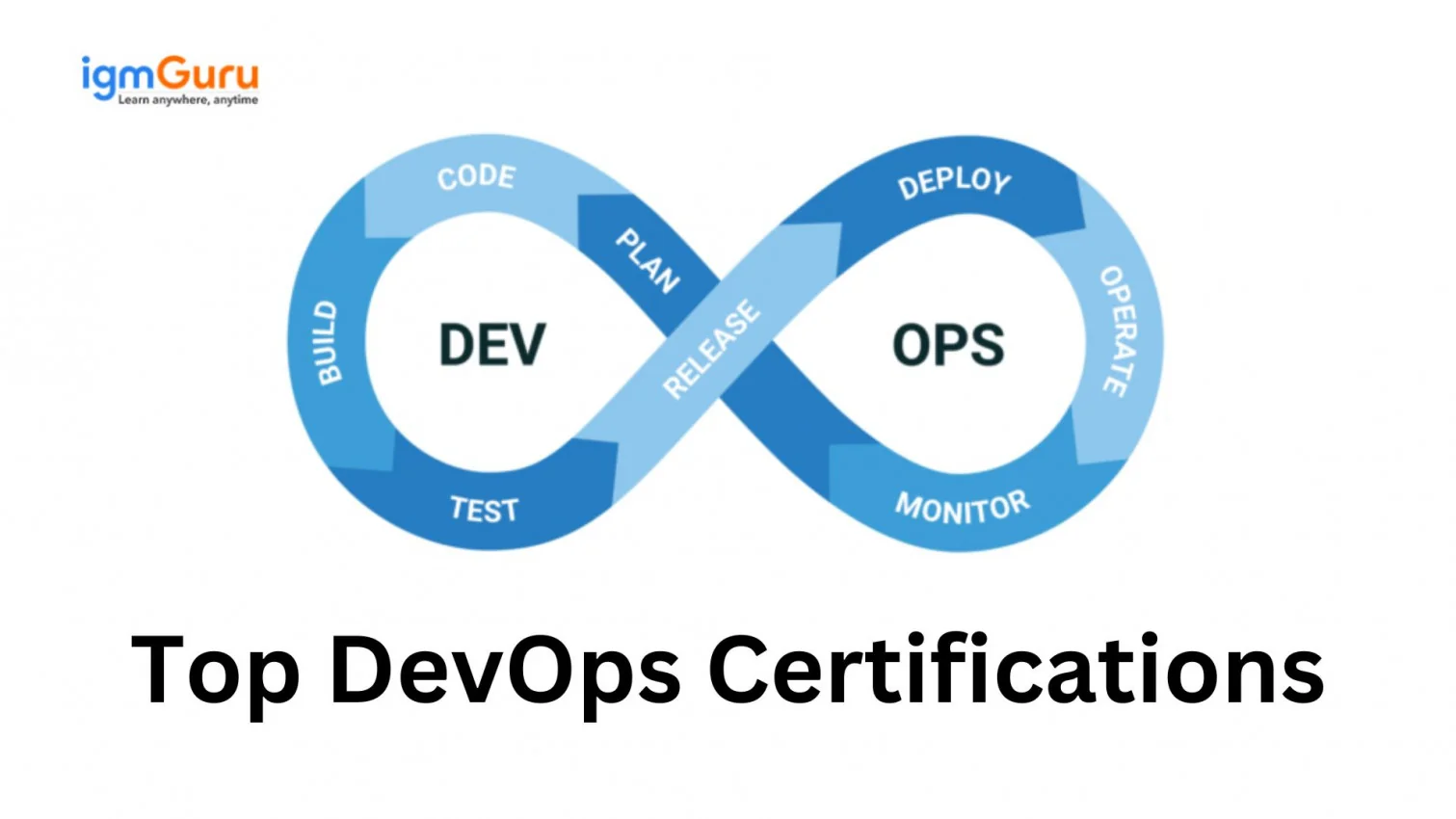
  • Online Courses & Certifications: Many top learning platforms provide exceptional courses in DevOps. A good platform helps prepare for the certification exam too. Top certifications are Google Professional DevOps Engineer, Certified Kubernetes Administrator and AWS Certified DevOps Engineer.

3. Develop Core Technical Skills

A DevOps engineer must possess a diverse skill set. This should encompass various technical skills in various areas. Some of the key ones are-

  • Operating Systems: Deep knowledge of Linux or Unix systems will help as these are usually employed in DevOps environments.
  • Programming & Scripting: Gaining proficiency in languages such as Ruby, Python, Go, Bash or Java is needed for automation tasks.
  • Containerization & Orchestration: Having knowledge of Kubernetes and Docker for orchestration and container management.
  • Version Control: Mastery over Git for version control is essential to understand merging, pull requests and branching.
  • Configuration Management: Hands-on experience with tools like Puppet, Chef and Ansible to manage deployments and configuration.
  • CI/CD Tools: Gain familiarity with tools such as Travis CI, Jenkins, GitLab CI/CD and CircleCI.

4. Gain Practical Experience

Gaining hands-on, practical experience is imperative to become competent in the field of DevOps engineering. Here is how one can get started in gaining it all.

  • Open Source Contributions: One can begin by contributing to open source DevOps projects. This will help in gaining real-world experience as well as the opportunity to collaborate with other developers.
  • Personal Projects: Commence with small projects to begin applying what one has learned. Curate a CI/CD pipeline, set up a monitoring system or automate a deployment.
  • Internships & Entry-Level Positions: Seek an entry-level position or begin an internship that provides exposure to DevOps tools and practices.

Related Article- What is DevOps Automation?

5. Build a DevOps Portfolio

A portfolio helps in showcasing skills and knowledge. It contains project information to help recruiters better understand your skills. Every single project one works on can be incorporated in the portfolio. This portfolio plays a big role in getting seen by hiring managers. It also makes the resume stand out.

The DevOps field is experiencing constant evolution. Hence, it is imperative to stay updated. The best way to do it is by joining communities. Participate in DevOps forums, meetups and communities. These are great for networking with other professionals and sharing knowledge.

7. Soft Skills and Mindset

Technical skills are not enough alone. It is important to focus on developing one's soft skills. Top non-technical skills to have are-

  • Adaptability: Adapting to new methodologies and technologies is important in the evolving DevOps environment.
  • Collaboration: Excellent communication skills and teamwork are needed to ensure effective working with cross-functional teams.
  • Problem-Solving: Strong problem-solving and analytical skills are the basis for addressing and identifying issues quickly.
  • Attention to Detail: Attention to detail and precision help in correctly following processes and detecting issues early.

Related Article - DevOps Tutorial

Wrap-Up For How To Become A DevOps Engineer

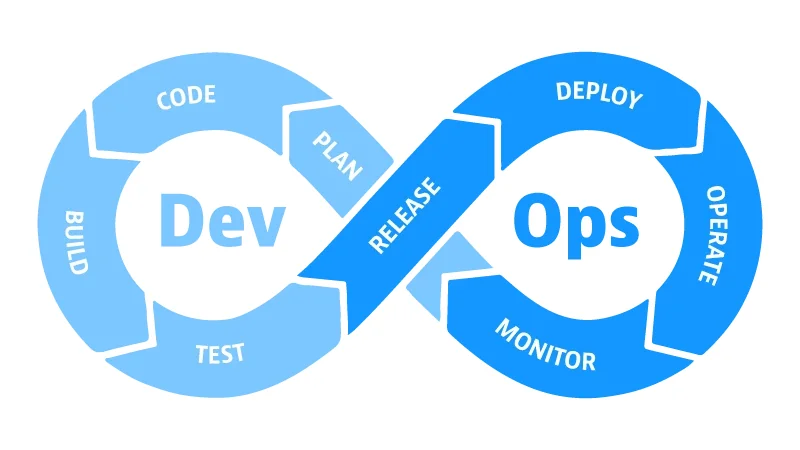
In short, DevOps is a true image of a transformative shift in how IT operations and software development collaborate. It provides a holistic approach to help accelerate delivery by streamlining workflows. Beginning at its historical roots, its intricate lifecycle and architecture has been a boon. Its practices and principles can be adopted by organizations to achieve enhanced reliability, innovation and efficiency.

DevOps brings together multiple components to foster continuous deployment, improvement and integration. Gaining an understanding of the journey from its inception to its implementation is an eye-opener. The steps involved in becoming a proficient DevOps engineer are enough to highlight the crucial role played by DevOps today. It has become an imperative part of modern software engineering.

FAQs For How To Become A DevOps Engineer

Q1. How can I become a DevOps engineer with zero experience?

Ans. You can start by learning Linux, scripting (Bash/Python), cloud platforms (AWS/Azure), CI/CD tools, etc. Also you can start practicing with hands-on projects to acquire real-world skills.

Q2. Is DevOps need coding?

Ans. Yes, DevOps often requires coding for automation, scripting, and creating CI/CD pipelines, typically using languages like Python, Bash, or Groovy.

Explore These Trending Articles:

How to Become a Software Engineer?

How To Become An AWS Certified Developer Associate - A Guide To Follow

How To Become an AWS Certified SysOps Administrator

How To Become A Data Analyst: A Step-by-Step Guide in 2026

Course Schedule

Course NameBatch TypeDetails
DevOps Training
Every WeekdayView Details
DevOps Training
Every WeekendView Details
About the Author
Jaya | igmGuru
About the Author

Jaya is a versatile technology writer specializing in DevOps, Quality Management, Project Management, Big Data, IT Service, Architecture, and Digital Marketing. She simplifies complex concepts into practical insights, bridging theory and real-world application, and helps both beginners and professionals build skills and stay ahead in the evolving digital landscape.

Drop Us a Query
Fields marked * are mandatory
×

Your Shopping Cart


Your shopping cart is empty.