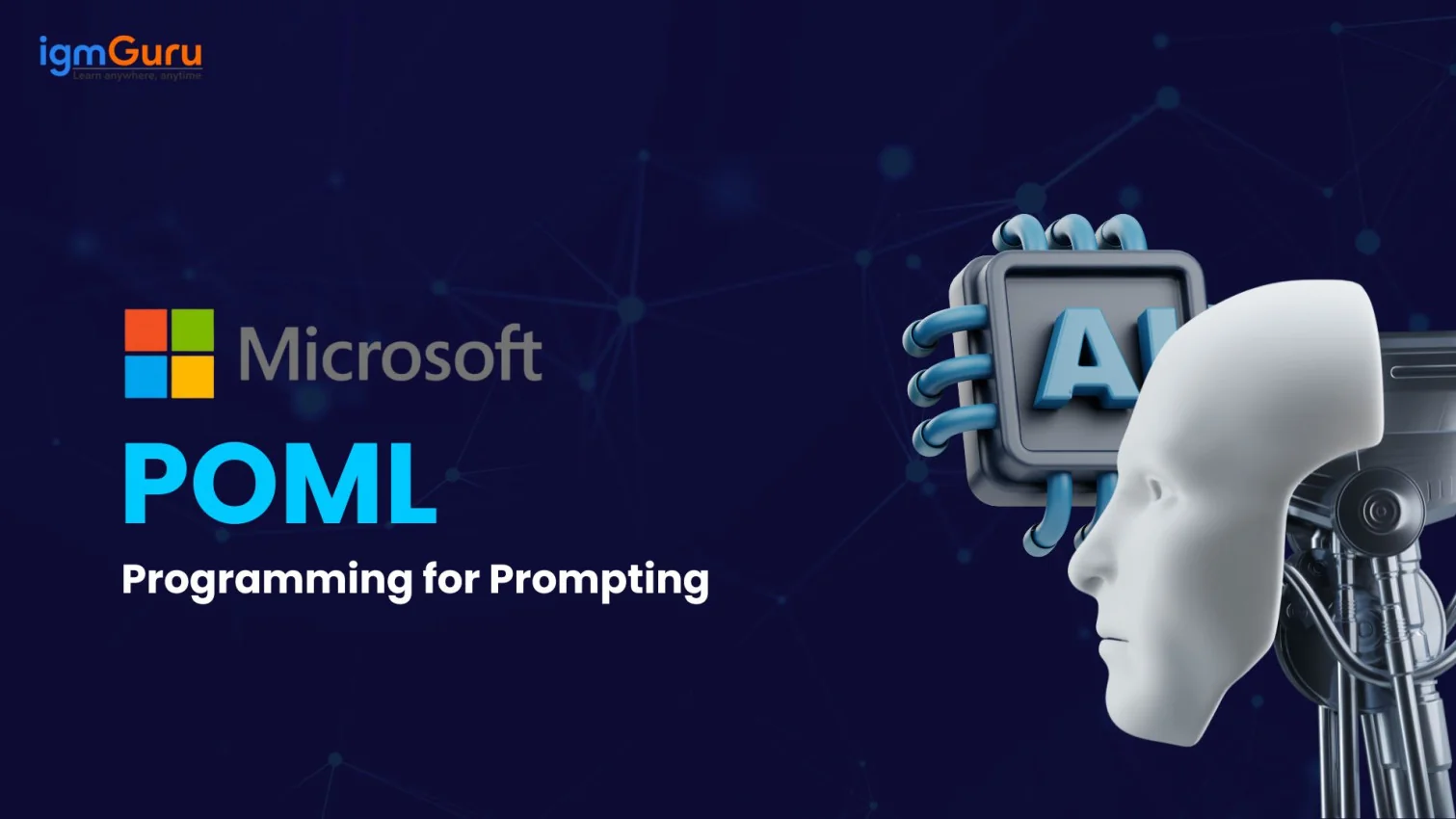
POML is also known as Prompt Orchestration Markup Language. It is an XML-inspired framework released by Microsoft on August 13, 2025. It is a structured way to design, organize and automate prompts for AI workflows. POML helps you in defining prompts in one place, standardizing their execution and orchestrating multi-step processes with ease.
When I first started working with AI and large language models (LLMs), I thought prompt writing itself was the main challenge. Yet that is not true. Writing one prompt is simple. The real challenge comes when you are managing multiple prompts across workflows, APIs and teams.
To solve this challenge POML was released and it changed how I think about prompt engineering at scale. In this blog, I will share what POML (Prompt Orchestration Markup Language) is, why it is becoming important, how it works and many more. Let's begin.
TL;DR
POML (Prompt Orchestration Markup Language) is an XML-inspired markup language developed by Microsoft for structuring, managing, and orchestrating AI prompts and multi-step workflows in a standardized way. This blog, from the Generative AI and Prompt Engineering category, explains what POML is, why it is needed, how it works, its key features, installation process, practical applications, benefits for developers and businesses, and its role in managing scalable AI workflows. It also discusses how POML enables reusable prompt templates, multi-model orchestration, workflow automation, standardization, compliance, and seamless integration with AI development tools.
POML (Prompt Orchestration Markup Language) is a markup language designed to define and manage prompts systematically. Think of it as a way to organize your prompt workflows similar to how HTML structures a web page or XML structures data.
You are not required to embed any prompts directly inside application code or writing ad-hoc prompt chains, POML help you in-
Enroll in igmGuru's Generative AI training program to start your journey as a prompt engineer.
| Without POML (Challenges) | With POML (Solutions) |
| Teams write prompts differently, causing inconsistent tone and quality. | Prompts are centralized and standardized for consistency. |
| Same prompts get duplicated in multiple scripts, making updates tedious. | A reusable structure lets you define prompts once and use them anywhere. |
| Debugging workflows takes too long due to lack of standard format. | A predictable markup system makes troubleshooting easier. |
| Multi-model orchestration turns into a tangled mess of scripts and API calls. | Orchestration rules in POML streamline multi-step, multi-model workflows. |
POML is a markup-based orchestration system. Therefore it is human-readable and machine-readable. It uses a structured tag format just like HTML or XML, yet instead of defining UI or data, you define prompts, models and workflows.
Here is a simplified example:

This defines a prompt template for summarization. The {{text}} is a placeholder variable.
You can then orchestrate multiple prompts:

This tells the system:
This is the essence of prompt orchestration markup language - a standard way to chain and manage prompts.
In real-world scenarios, you can add conditions, logic and even specify different AI models for each task. For instance- you could run GPT for summarization and a translation-specific LLM for the next step.
Read Also- How To Become A Prompt Engineer: A Comprehensive Guide
POML is not just another developer tool. It is a framework that makes managing prompts at scale much easier for both technical and business teams. Here are some features of POML that makes it stand out:
POML is designed so that even non-developers can understand and review it. The markup is clean and descriptive as it uses natural language elements instead of cryptic code. This means product managers, compliance teams and business stakeholders can follow how prompts are structured without needing a technical background.
In large organizations, this is a huge advantage because AI workflows mostly require sign-off from legal or compliance teams. A human-readable format that removes friction and ensures everyone is on the same page.
One of POML's biggest strengths is reusability. You can define it once and call it wherever needed rather than writing the same prompt in ten different scripts. If you decide to tweak the prompt, you can only update it in one place and the change automatically flows across all workflows.
This saves hours, reduces duplication and keeps outputs consistent for AI projects with multiple teams and products.
POML treats prompts like building blocks. You can add, remove or rearrange steps in a workflow without breaking your entire application logic.
For example- if you want to add a translation step after summarizing a document, you do not need to rewrite your whole process. You simply add a new module for that step and the rest of the system remains intact. This flexibility is essential for iterative AI development, where experiments and pivots happen often.
Modern AI workflows rarely rely on one model. You might use ChatGPT for reasoning, Claude for summarization, LLaMA for cost-effective tasks and APIs like Google Translate for language support.
POML allows you to define which prompt should go to which model. You can adopt them formally by hardcoding model calls. This makes scaling across different LLMs and APIs seamless and reduces vendor lock-in.
As AI projects grow, auditing and compliance become non-negotiable. Companies need to know what prompts are being used, how they are phrased and where they are deployed.
POML enforces a predictable, standardized format for prompts that makes them easy to audit. This standardization is a huge win for regulated industries like finance, healthcare and legal. It also helps maintain brand tone and ethical AI usage across different teams and projects.
POML does not live in isolation. It is designed to plug into popular automation and AI orchestration frameworks like LangChain, Microsoft Copilot Studio and others.
POML acts as a clean orchestration layer that fits into existing workflows instead of reinventing the wheel. POML can integrate smoothly without forcing you to rewrite your stack- whether you are deploying prompts in chatbots, analytics pipelines or enterprise automation.
Read Also- Top Prompt Engineer Skills You Must Have
As an experienced developer excited by Microsoft's launch of POML, I have detailed my personal journey to get started. Here is how you can start:
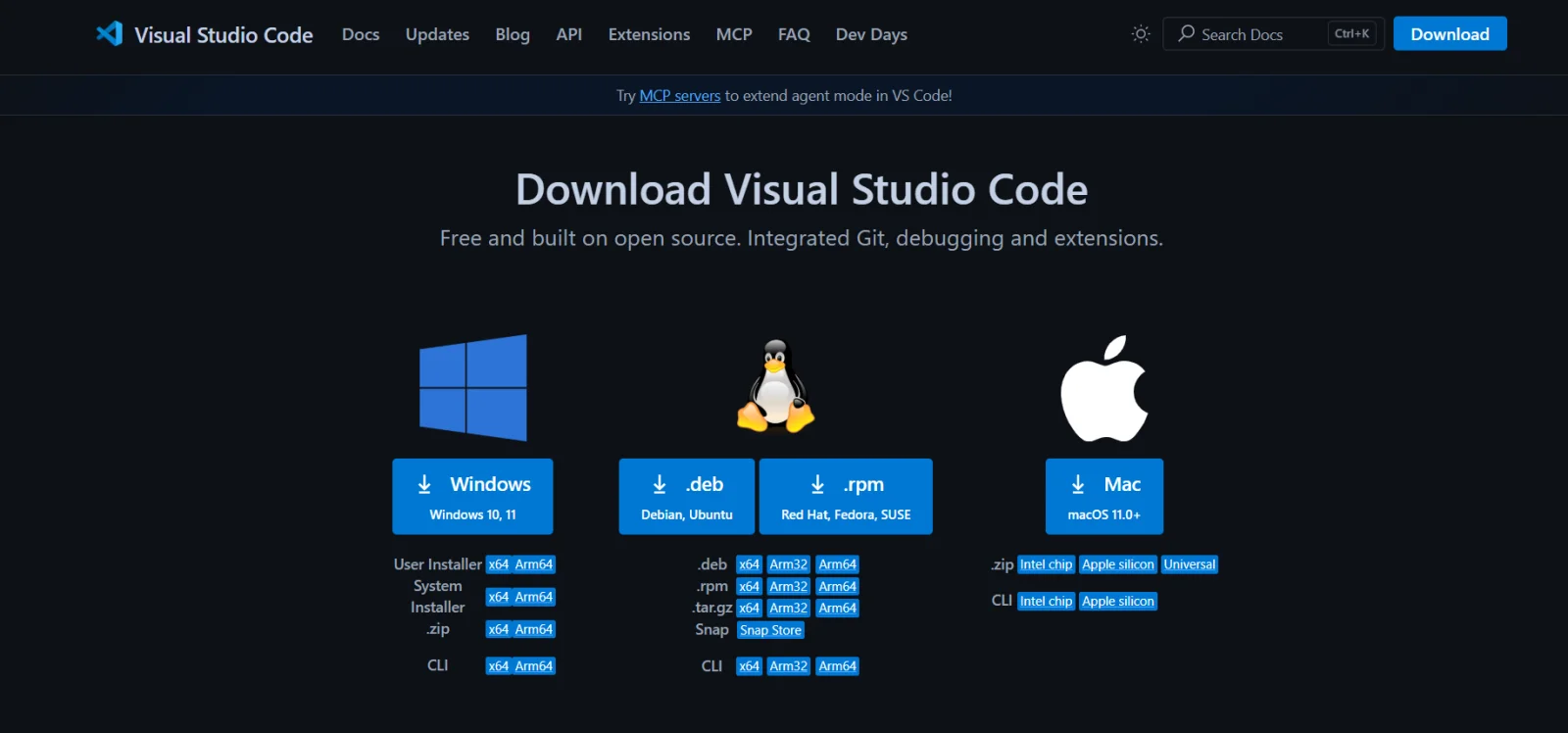
1. Visit on the official Visual Studio Code website and select the Windows User Installer from the available options for Windows, Linux or Mac.
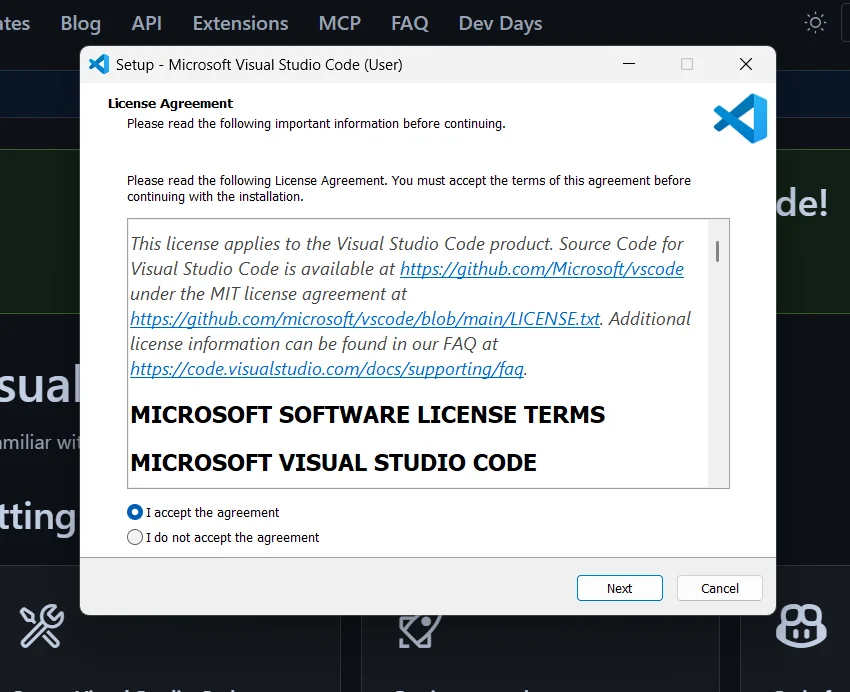
2. After that accept the License Agreement, read through the terms, accept them (noting the MIT license on GitHub) and click Next to proceed.
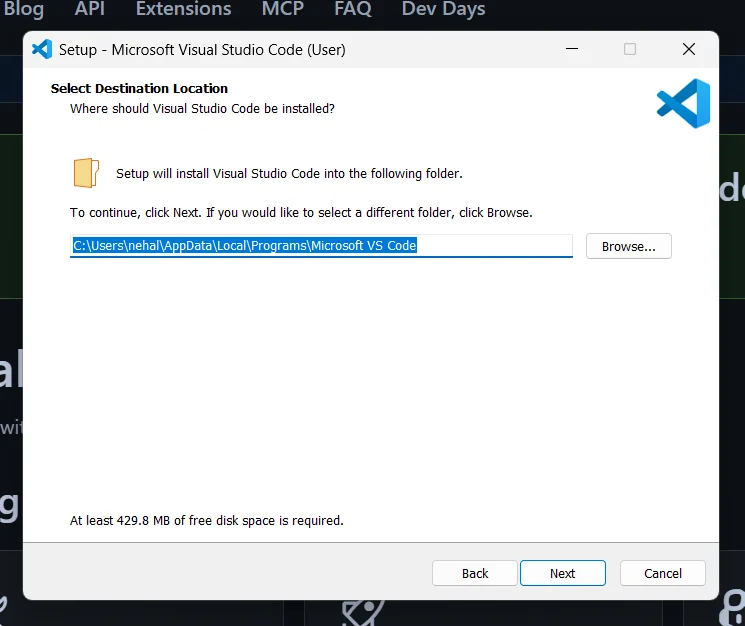
3. Choose the default destination path (`C:\Users\nehhal\AppData\Local\Programs\Microsoft VS Code`), ensure 429.8 MB of free disk space and keep the option to browse if needed.
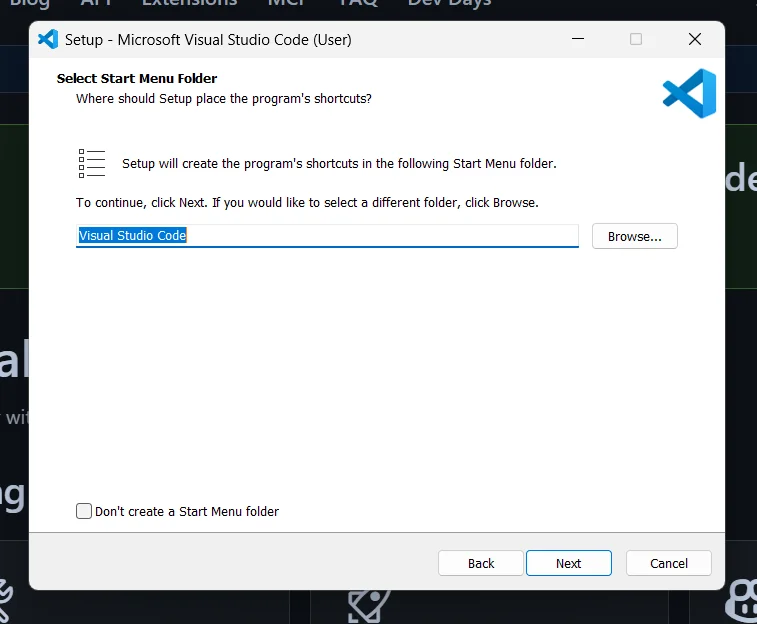
4. Customize the Start Menu folder to 'Visual Studio Code' for quick access by sticking it with the default unless a change was preferred.
5. Select additional tasks by including registering Code as an editor for supported file types and adding it to PATH (requiring a shell restart) to enhance my workflow.
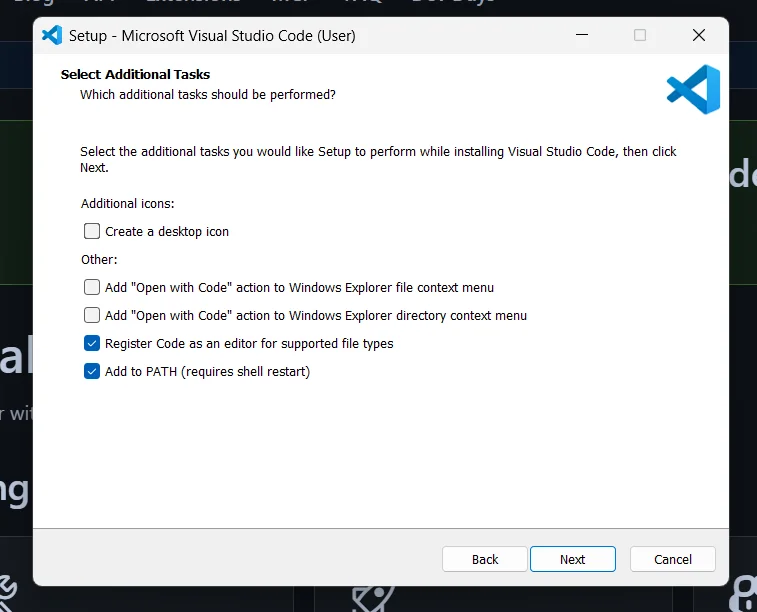
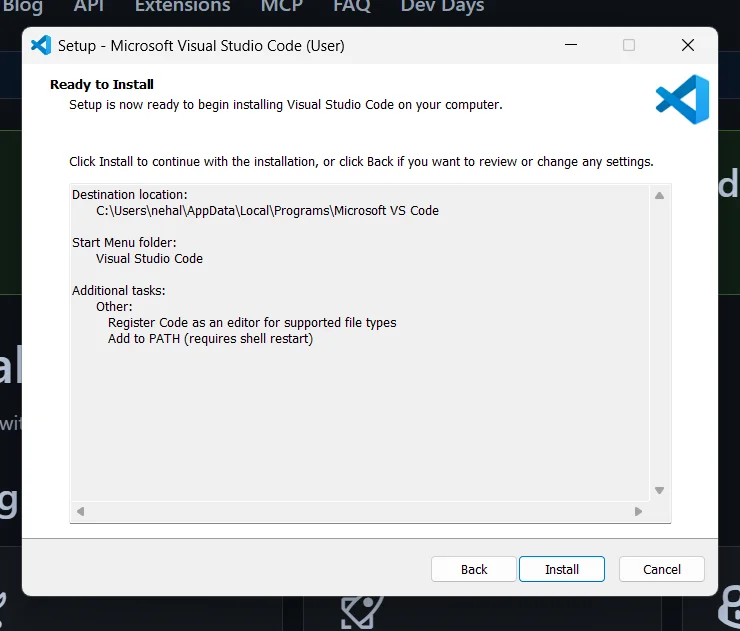
6. Review the installation settings in the Ready to Install screen and click Install to begin the process.
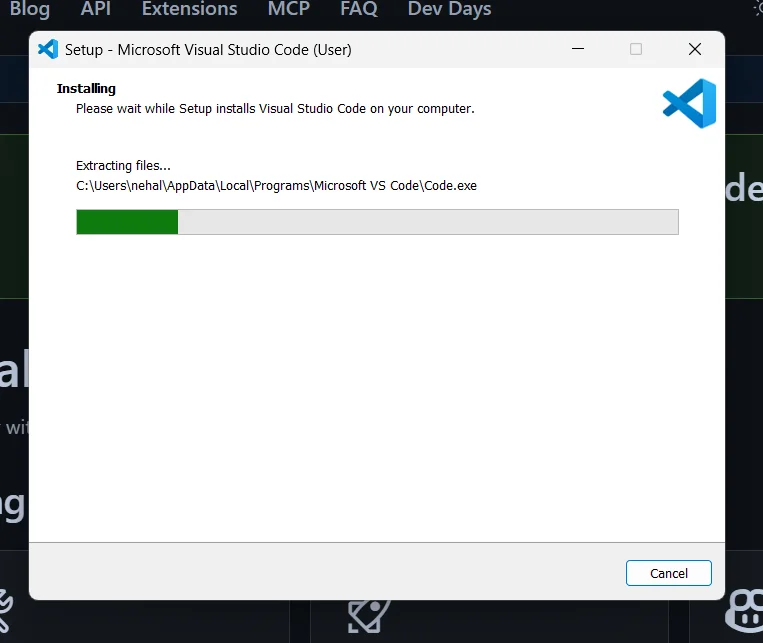
7. Watch the progress as the setup extracted files to the chosen directory (`C:\Users\nehhal\AppData\Local\Programs\Microsoft VS Code\Code.exe`).
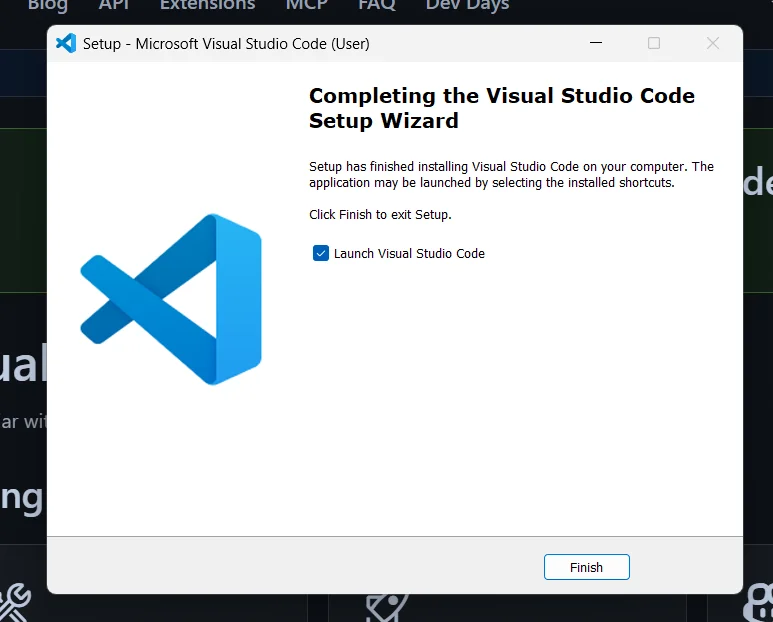
8. Complete the installation, check on 'Launch Visual Studio Code' and click Finish to exit the wizard and start the editor.
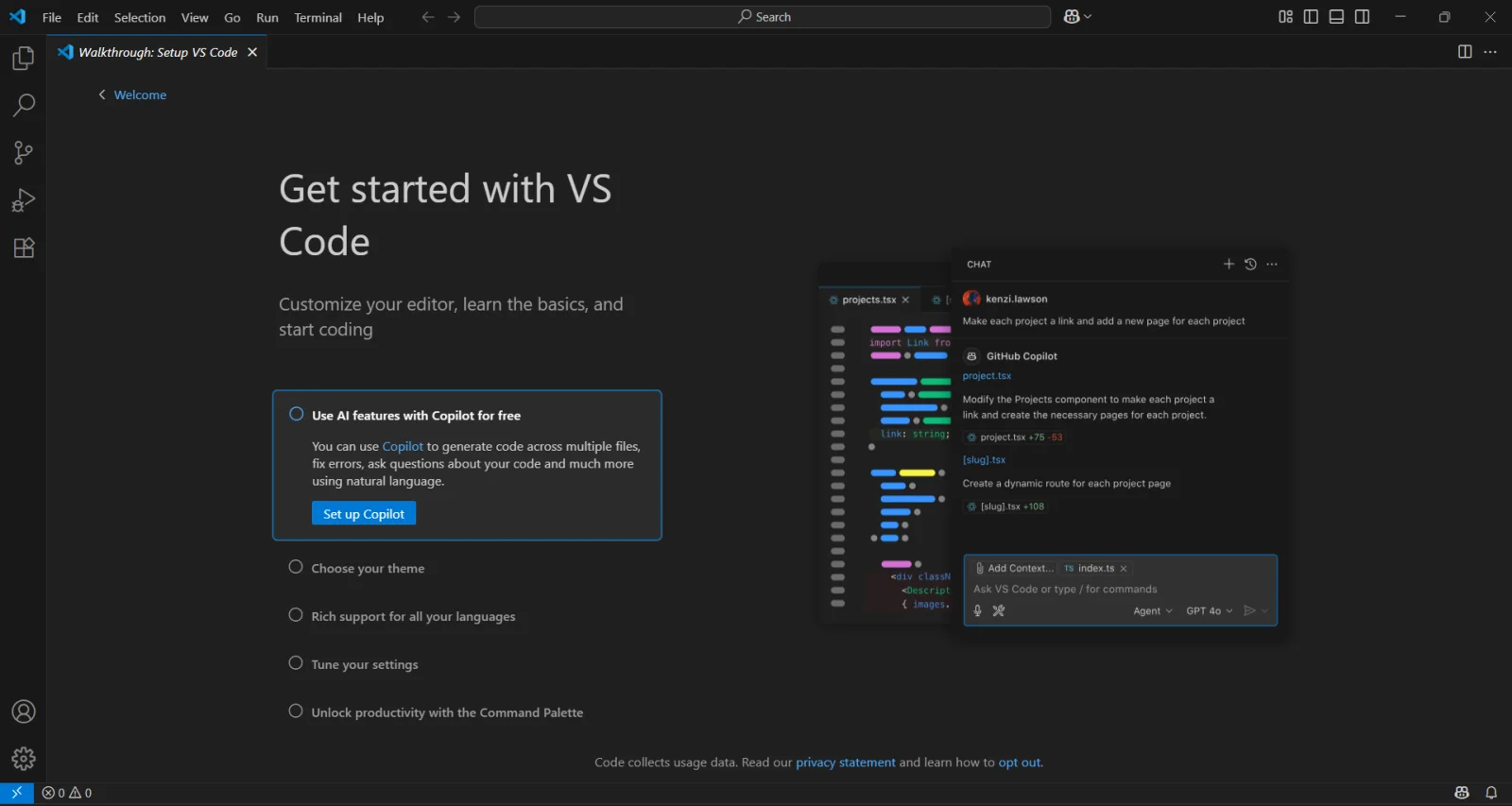
9. Explore the VS Code welcome screen, ready to begin coding and opene the Extensions view to search for new tools.
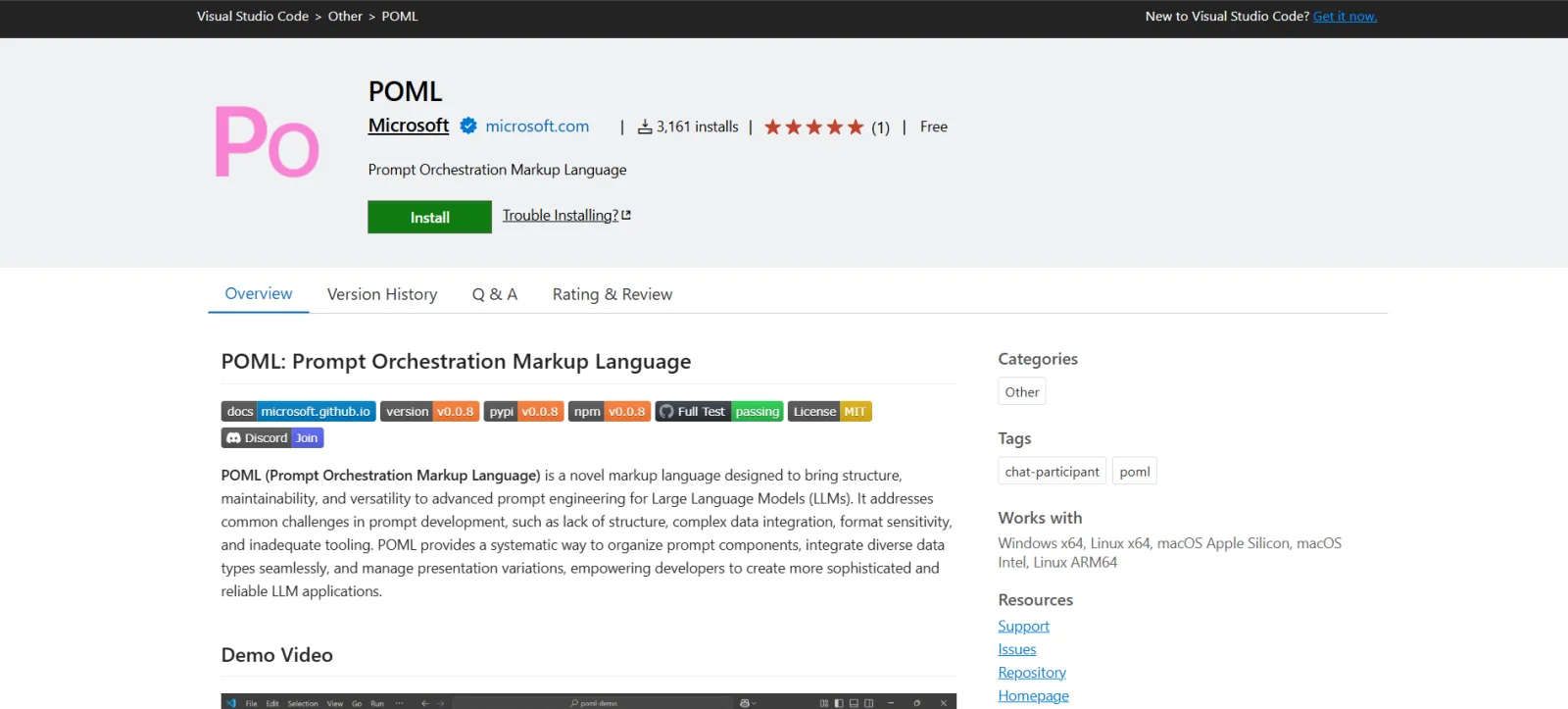
10. Then find the 'POML' extension in the marketplace, install it from Microsoft and prepare to experiment with this new language. Just install it from here and you are all set to work with POML.
Read Also- What is Prompt Tuning? Everything You Need To Know
From my own experiments and what I have seen in enterprise projects, the potential applications of POML are huge. POML can make a dramatic difference anywhere you have multi-step AI workflows or need consistent, repeatable prompt execution.
Here are some practical examples where POML shines:
One of the biggest challenges with chatbots is maintaining consistent tone and responses as you add more conversation flows. You can define all your chatbot's logic in one place with POML:
When a new FAQ is added or a tone change is needed, you simply update the prompt in one central file. The change reflects across all channels (web, mobile, voice assistants) without touching the application code. This saves time and reduces the risk of inconsistent responses for teams managing enterprise-level bots.
POML is perfect for content operations that involve multiple AI steps. Imagine an automated pipeline like this:
POML allows you to define the entire sequence declaratively instead of managing each step separately in scripts. This makes it much easier to adjust the workflow like adding a plagiarism check or tone adjustment without re-engineering the whole pipeline.
Large companies need standardized and auditable AI processes. POML makes it easier to implement workflows such as:
Since POML is human-readable, legal and compliance teams can review the exact prompts being used. This transparency is a huge win for industries where regulatory oversight and brand safety are critical.
More companies are experimenting with multiple AI agents working together. For example:
Coordinating these agents can quickly get messy without a standard orchestration layer. POML lets you define how each agent communicates and passes outputs to the next step, ensuring smooth handoffs and reliable execution.
AI is increasingly used for data cleaning, pattern detection and reporting. Instead of hardcoding these steps, POML lets you define:
You gain flexibility by separating prompt logic from application code. You can swap models or add new steps like a natural language explanation for executives without rewriting the pipeline.
Read Also- What is a Prompt Engineer? Everything You Should Know
POML is not just a technical upgrade. It helps both developers and businesses save time, reduce complexity and deliver better results. Here is a how it helps developers and businesses:
| For Developers | For Businesses |
| Easier cross-platform development | Faster product launches |
| Write once, deploy anywhere | Reduced development costs |
| Simplifies integration with APIs | Consistent user experience across devices |
| Less time spent on rewriting code | Wider market reach (multi-platform) |
| Supports modular and reusable code | Better scalability for future growth |
| Easier maintenance and updates | Competitive advantage with rapid innovation |
The future of POML looks very immersive and full with interactive experiences becoming a key part of the web. POML in future may create 3D content more accessible and cost-effective with growing adoption of AR, VR and mixed reality. Businesses will be able to deliver engaging virtual experiences without heavy development efforts as more frameworks and browsers support it. This could lead to wider innovation in fields like e-commerce, education, entertainment and remote collaboration.
POML might sound technical at first, yet its real value is in how it makes prompt management simpler and more scalable. You get a clear, reusable and auditable way to run AI workflows. POML brings structure where chaos usually lives whether you are a developer building apps, a business team managing content or a compliance officer reviewing outputs.
As Artificial Intelligence adoption keeps growing, tools like POML will play a big role in helping teams move faster while staying consistent and compliant. If you work with multiple prompts or multi-step AI processes, it is worth exploring and experimenting with POML now.
No, POML makes prompts easier to structure and reuse yet you can still write custom scripts. It is meant to complement, not to replace the other methods.
Not necessarily required, yet basic coding helps. POML is designed to be simple and readable even for non-programmers.
Yes, you can combine both depending on what works best for your workflow.
Indirectly yes. It does not make the model smarter yet clearer structure often leads to better and more consistent responses.
Course Schedule
| Course Name | Batch Type | Details |
| Generative AI Course | Every Weekday | View Details |
| Generative AI Course | Every Weekend | View Details |